Key Highlights
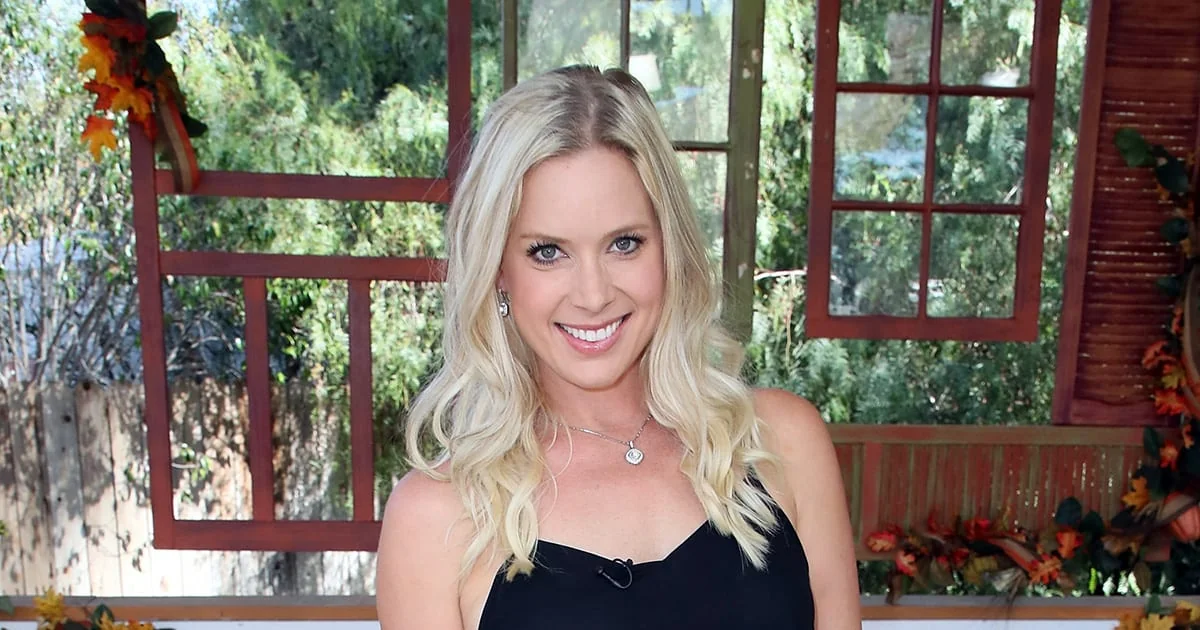
- Criscilla Anderson, a Dallas Cowboys Cheerleaders choreographer and star of Netflix’s “Country Ever After,” announced her own death after battling colon cancer.
- The practice of influencers announcing their deaths is not uncommon; other notable examples include Tanner Martin, Bella Bradford, Fiona MacDonald, Kimberley Nix, Daniella Thackray, and Paul Harrell.
- Influencers often use this method to control the narrative surrounding their passing and to connect with their audience in a final meaningful way.
Criscilla Anderson: A Final Bow on Social Media
In a poignant post shared via Instagram, 45-year-old Criscilla Anderson, known for her role as a Dallas Cowboys Cheerleaders choreographer and the star of Netflix’s reality show “Country Ever After,” announced her passing. The video, posted by friend Lindsey Villatoro, detailed Anderson’s battle with colon cancer that had taken its toll over several years.
Anderson’s candidness in sharing her journey was reflective of a broader trend among influencers who, facing terminal illness, opt to share their final moments on social media. This practice allows them to maintain control over the narrative and offer heartfelt messages to loved ones and followers alike.
The Practice of Announcing Deaths
The trend of announcing one’s death in a controlled manner is gaining traction among influencers who have faced serious health conditions. Other examples include:
- Tanner Martin (30): A 30-year-old influencer documented his battle with colon cancer, ultimately sharing a video from beyond the grave to express gratitude and leave behind final thoughts.
- Bella Bradford (24): The 24-year-old TikToker announced her death after battling a rare form of cancer, urging her audience to find joy in life.
- Fiona MacDonald (67): An Australian TV host used social media to share her final moments with her children and express hope for an afterlife reunion.
These examples illustrate the emotional and practical benefits of this approach. Influencers can use their platforms to address personal concerns, thank supporters, and convey messages that might otherwise be lost in the aftermath of a sudden passing.
Why This Trend Matters
The phenomenon speaks to the power of social media as both a tool for connecting with audiences and a medium through which individuals can control their legacy. For those facing terminal illnesses, taking charge of one’s final moments is a way to ensure that loved ones are not blindsided by unexpected events.
Criscilla Anderson’s message serves as an example of the profound impact such posts can have. She addressed her children and stepchildren, reminding them of the love she had for each of them:
“Ethan, you made me a mom.
I’m still beside you, cheering you on.” “Savannah, my bonus girl—you were a gift God knew I needed. Emmarie, my Jesus-loving dancer—keep dancing through every season.” “Everleigh, my bright spark—chase your dreams boldly and without fear.”
Anderson’s words leave an indelible mark on her family and fans, serving as a testament to the enduring power of social media in shaping our perceptions of life and death.
In this age where digital presence is paramount, the act of announcing one’s own death can be seen as a final statement, giving influencers a form of closure and allowing them to leave their mark on the world they so passionately engaged with during their lifetimes.