Key Highlights
- The Obama Presidential Center is set to open in spring 2026 after years of delays.
- The center aims to serve as a community space for South Siders, but concerns about its design persist.
- Construction has progressed significantly despite initial setbacks and legal challenges.
- A new housing ordinance is aimed at addressing the cost of living in the area around the center.
The Obama Presidential Center: A Decade In The Making
The Obama Presidential Center, a project that has spanned over a decade, is finally on track to open its doors in spring 2026. This development, located in Woodlawn, Chicago, represents the culmination of a long journey marked by both anticipation and controversy.
From Announcements To Completion
The Obama Foundation first announced the project back in 2014 with much fanfare. However, it wasn’t until 2019 that Maxwell Evans, a local Woodlawn reporter for Block Club Chicago, began covering the center’s progress. Initially scheduled to open by 2021, the project has faced numerous delays due to legal challenges and other unforeseen obstacles.
Design And Community Engagement
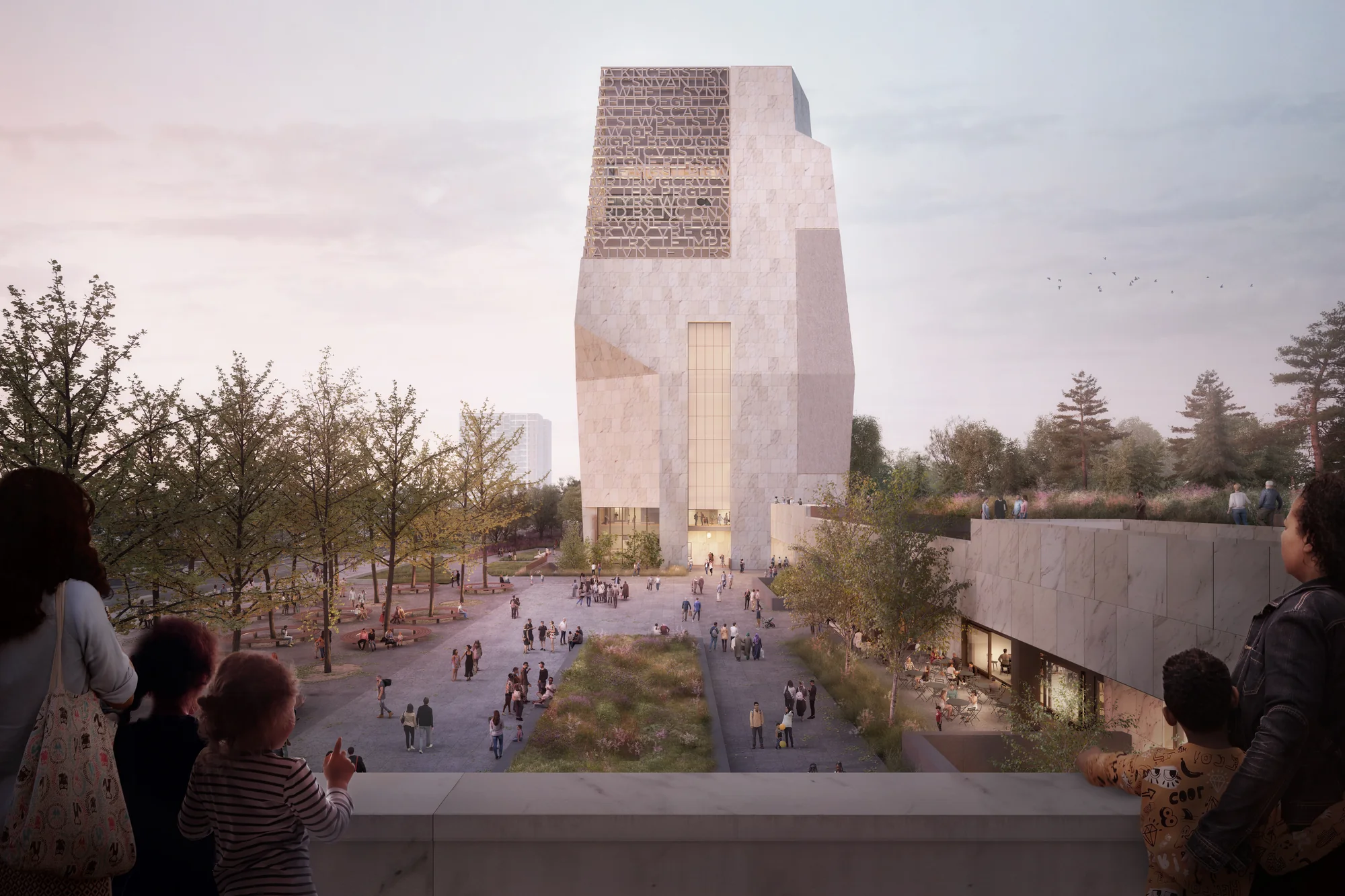
The architecture of the center has been a point of discussion among residents and visitors alike. Maxwell Evans notes that while some appreciate the detailed craftsmanship up close, others find it aesthetically displeasing from a distance. The Obama Foundation’s vision for the center includes a community space where locals can engage with various programs, including athletic facilities and museums.
Addressing Local Concerns
One of the primary concerns surrounding the project has been its impact on public land. Jackson Park, which houses 20 acres used for the Obama Presidential Center, was the site of debates about repurposing public space. To address these concerns, a new housing ordinance has recently passed. This legislation aims to reserve land for affordable and very low-income housing, ensuring that Woodlawn’s existing residents can remain in their homes despite rising property values.
Future Implications
The opening of the Obama Presidential Center is not just about providing a new space for community engagement; it signals broader changes in Chicago. As Maxwell Evans notes, once the development is complete, there will be ongoing efforts to ensure that the promises made are fulfilled. This includes monitoring whether the center truly serves its intended purpose and addressing any residual concerns from the community.
The Obama Presidential Center stands as a testament to both the resilience of public projects in the face of challenges and the importance of engaging communities in urban development initiatives. As the project nears completion, all eyes will be on how effectively it integrates into Woodlawn’s landscape and serves its intended purpose.