Key Highlights
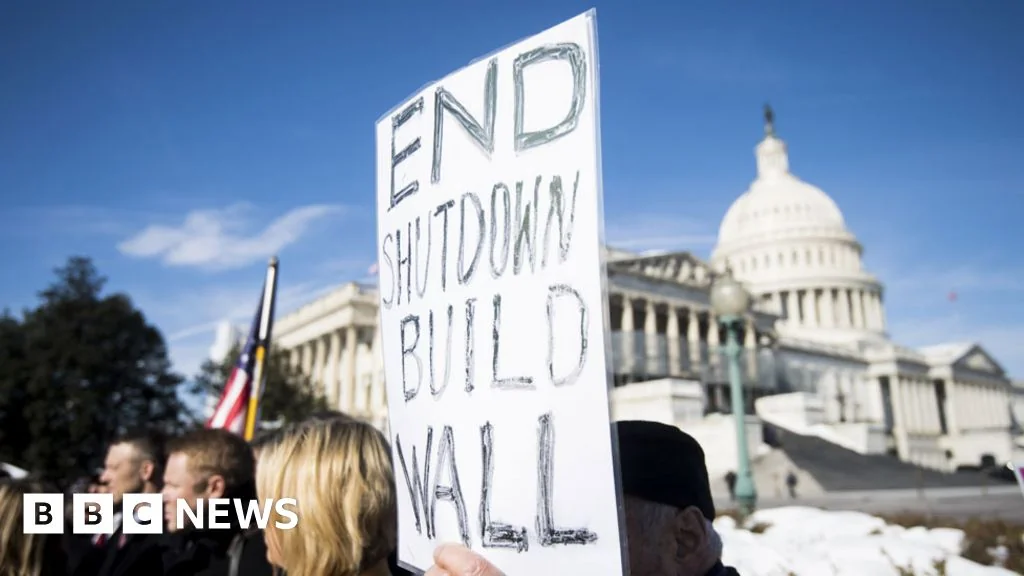
- The current government shutdown is tied for the second-longest in US history.
- No end is currently in sight as both parties blame each other and refuse to negotiate.
- Democrats are using the shutdown to advocate for extended Affordable Care Act subsidies, while Republicans resist talks on the issue until the government reopens.
- The partial closure of federal operations has affected hundreds of thousands of workers and critical services.
The Current State of the Government Shutdown
As of October 15, 2023, a significant portion of the United States government remains closed due to a budget impasse between Republicans and Democrats. This shutdown has reached its thirtieth day, making it one of the longest in recent history. Despite President Donald Trump’s expected departure for Asia later that week, there are no signs that either party will agree to reopen the government.
Political Dynamics and Strategies
The lack of a resolution stems from deep political divisions. Democrats have been successful in using the shutdown as an opportunity to highlight their demand for extended Affordable Care Act (ACA) subsidies, which they argue are necessary to prevent millions of Americans’ health insurance premiums from skyrocketing at year’s end. Conversely, Republicans insist on reopening the government before engaging in any negotiations over ACA subsidies.
House Democratic Minority Leader Hakeem Jeffries has emphasized this point: “This is day 20 of the Trump Republican shutdown and the government remains closed because Republicans have zero interest in actually providing affordable health care to everyday Americans.” However, achieving a political victory on this issue proves challenging as Republicans are unwilling to discuss extending subsidies without first reopening the government.
Impact on Federal Operations
The prolonged shutdown has significant implications for federal operations and citizens. Approximately 800,000 government workers have been furloughed, with an additional 13,000 terminated by the administration. Key services, such as air traffic control staffing, are suffering due to staff shortages, posing potential travel disruptions.
Furthermore, critical nutrition support for 42 million Americans is at risk if the impasse persists.
Despite these challenges, some Republicans argue that the situation may not be politically urgent enough to force a deal. They hope to leverage this shutdown to reform the ACA, though such proposals have faced significant resistance from Democrats and experts alike.
Expert Analysis and Future Implications
Experts suggest that the current political dynamics could eventually lead to a compromise. Senator Chuck Schumer, minority leader of the Senate, has stated that the only path forward is through President Trump, who faces considerable political pressure over the ACA’s impact on Medicaid cuts.
The shutdown may also be temporarily mitigating some of the usual political pressures that typically force an end to such crises. With thousands already laid off in recent years and ongoing tensions within the administration over domestic policies, some might view the current situation as less shocking than past shutdowns.
However, given the high stakes involved for both parties, particularly around health care policy, a resolution remains elusive until one side or another decides to shift its strategy. As the shutdown continues, it will be crucial to monitor how these political dynamics evolve and whether either party can find common ground amid their current stalemate.