Key Highlights
- The rivalry between Real Madrid and Barcelona is deeply rooted in Spanish culture.
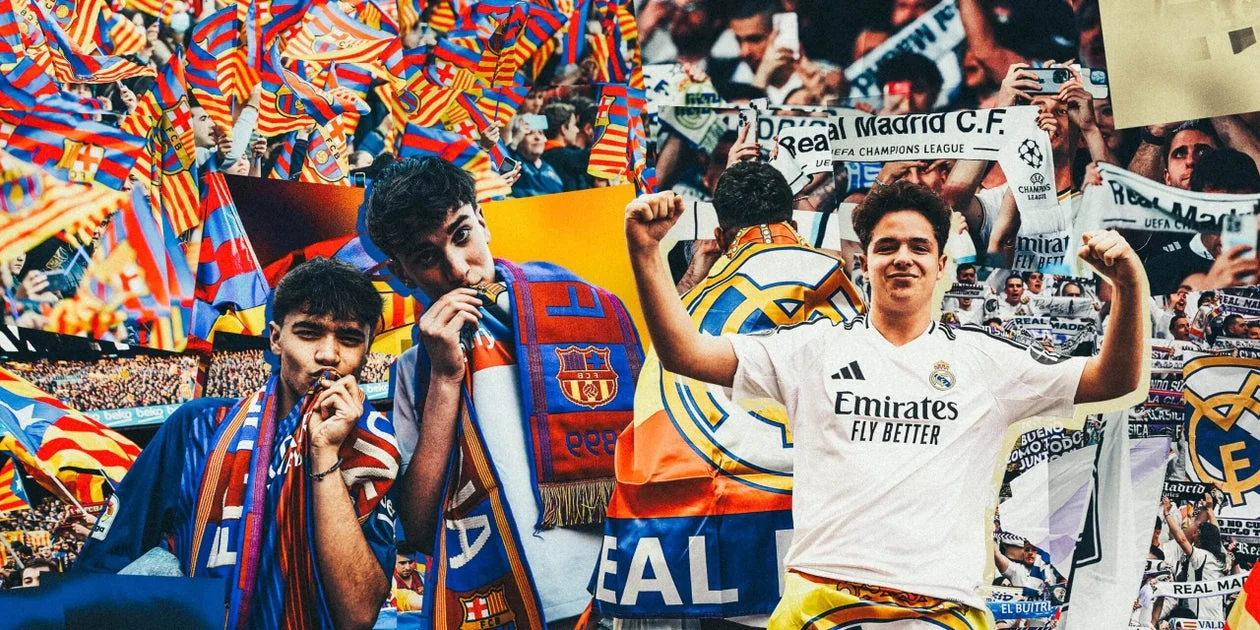
- Miguel Angel Nadal, a former player and uncle of Rafael Nadal, discusses the impact on fans watching El Clasico with opposing supporters.
- Jorge Valdano highlights the unique atmosphere at El Clasico compared to other football matches.
- Experts from various backgrounds offer their perspectives on the significance of this rivalry beyond just the sport.
The Legacy and Significance of El Clasico in Spanish Football
The clash between Real Madrid and Barcelona, known as El Clasico, remains one of the most intense rivalries not only in Spanish football but also globally. This historic encounter has been a cornerstone of La Liga for decades, attracting millions of fans worldwide. The match is more than just points on the board; it’s a cultural event that transcends the boundaries of mere sport.
Personal Perspectives and Fan Experience
Miguel Angel Nadal, a former player with over 200 Barcelona appearances and uncle to tennis legend Rafael Nadal, shares his insights. He reflects on how El Clasico impacts fans, especially when they support opposing teams. “Sometimes, we’ve been travelling together and have watched the match together,” Nadal explains. “It’s entertaining to watch it with a Madrid fan and a Barcelona fan because the same image seems like different plays.”
For Jorge Valdano, now one of Spain’s most distinguished football pundits, El Clasico is more than just a game; it carries socio-political weight. He notes, “There is a nationalist fervour concentrated around Real Madrid but on the other hand, there is another element that contributes to the civility of El Clasico, which is that there are very few visiting fans at the matches.”
Historical Moments and Memorable Matches
The article delves into several iconic moments in recent history. One such memory stands out: “November 23, 2002 – when a pig’s head was thrown at Figo.” This incident, now part of football folklore, highlights the passionate yet sometimes unruly nature of El Clasico. Other memorable matches include Barcelona’s 5-0 win over Real Madrid in January 1994 and the 6-2 victory by Barcelona in 2009.
Father Juan Manuel Gongora draws a parallel between football rivalries and biblical stories, emphasizing the intensity of these encounters: “We could draw a Biblical parallel with the struggle between Jacob and Esau for Isaac’s birthright. Even though it was a terribly bitter relationship between strength and cunning, in the end, they reconciled.”
Future Implications and Expert Opinions
The article concludes by asking experts to describe Real Madrid vs Barcelona in three words: “Rivalry, standards, ambition” for Nadal; “Sports and socio-politics” for Valdano; “High-level competitiveness” for Martinez de Irujo. These succinct descriptions encapsulate the multifaceted nature of this historic rivalry.
Ultimately, El Clasico is more than just a match; it’s a cultural phenomenon that unites and divides fans across Spain. As football continues to evolve, the legacy of this legendary encounter remains a testament to its enduring appeal and significance in the world of sports.
For Guillermo Rai, who penned this piece for The Athletic, understanding El Clasico goes beyond just the game itself. “It stirs the emotions of a lot of people,” Nadal notes, reflecting on the deep emotional connection that fans have with these matches. This sentiment underscores the profound impact of El Clasico not only in Spain but also internationally.