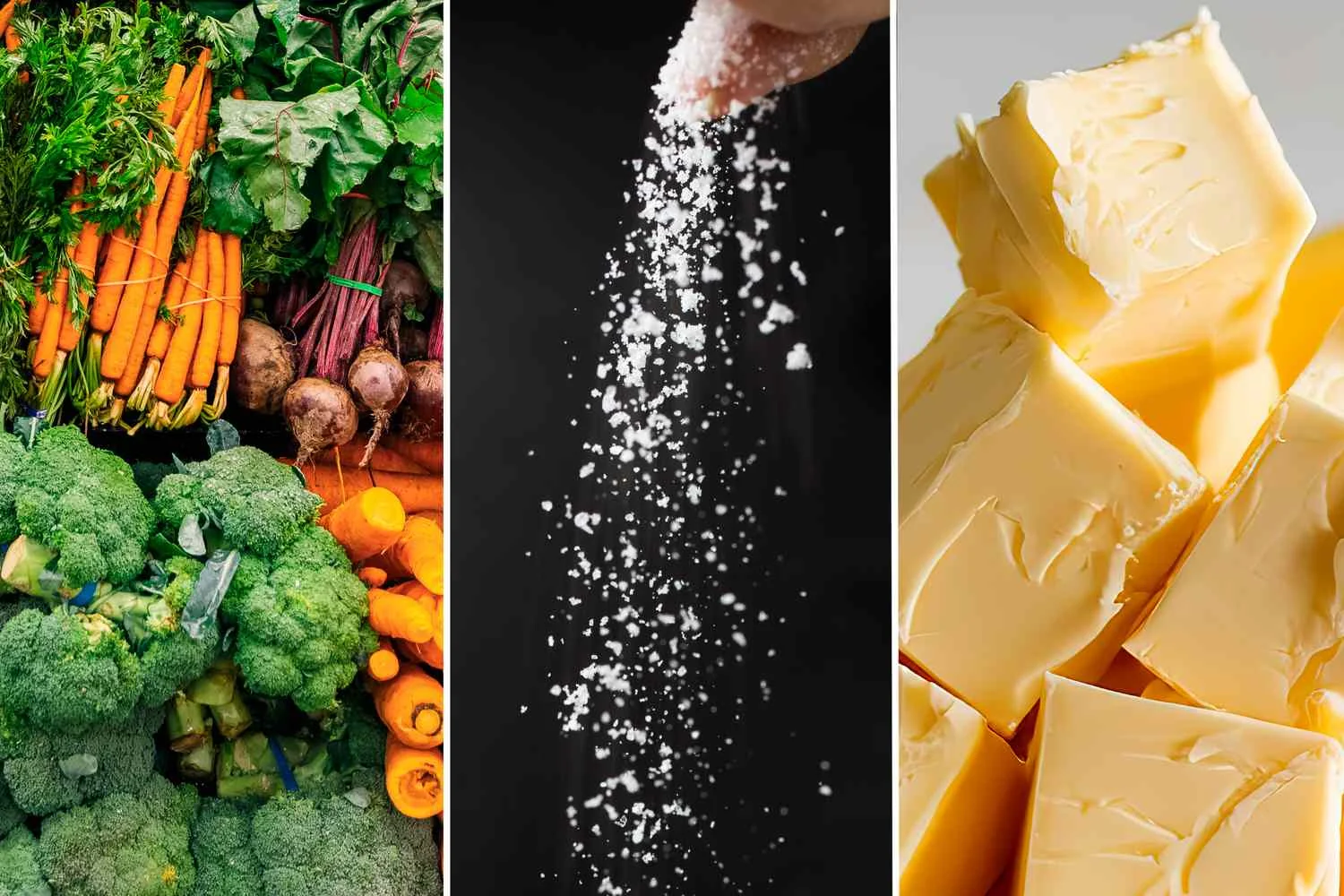
Key Highlights
- The myth that organic produce is grown without any pesticide or fungicide sprays is debunked.
- The idea that you shouldn’t eat anything you can’t pronounce is examined and found flawed.
- Margarine being one molecule away from plastic is another myth that’s thoroughly debunked by a food scientist.
Debunking Common Food Myths for 2026
In the era of social media, information about food has become both more accessible and more complex. As we transition into 2026, it’s crucial to separate fact from fiction when it comes to our eating habits. In an effort to help you make informed decisions in the new year, a food scientist was asked to identify some of the most widespread food myths that persist even today.
The Myth of Organic Produce
One common misconception is that organic produce is entirely free from pesticides and fungicides. This belief stems from the assumption that “organic” implies a pesticide-free environment, but as Dr. Abbey Thiel explains, this isn’t accurate at all.
According to her, “Organic farming does allow the use of pesticides and fungicides. The difference lies in which substances are permitted and how they’re regulated.”
For instance, organic systems restrict farmers to a specific list of approved substances, many derived from natural sources such as copper-based fungicides, sulfur, neem oil, spinosad, and microbial products like Bacillus thuringiensis. These substances play a crucial role in managing insects, fungi, and plant diseases that can otherwise destroy crops. Without some form of pest management, organic yields would be extremely low, and food prices would likely increase significantly.
Can’t Pronounce It? Don’t Eat It?
A growing trend among home cooks is the scrutiny of ingredient lists on food products, especially those deemed ultra-processed. The idea that a product is unhealthy simply because it contains words we can’t pronounce has become popular in health-focused content. However, Dr.
Thiel clarifies this as “a terrible way to judge whether food is safe or healthy.” She states, “The ability to pronounce a word has nothing to do with whether a substance is dangerous or artificial. Usually, the names come from chemistry, biology, or marketing.”
For example, 1,25-Dihydroxycholecalciferol is simply vitamin D in its biologically active form. The long name describes its chemical structure and how it behaves in the body.
Calling it “vitamin D” is convenient but inaccurate. Other examples include ascorbic acid (vitamin C), sodium chloride (table salt), and dihydrogen monoxide (water). Dr. Thiel notes, “If we followed the ‘can’t pronounce it’ rule strictly, we would eliminate some of the most basic and essential components of our diet.”
Margarine: Not Plastic After All
Another myth that persists is the idea that margarine is one molecule away from being plastic. This misconception has been circulating for years because it sounds scientific and alarming. However, as Dr.
Thiel explains, “Saying margarine is ‘one molecule away from plastic’ is like saying water is one molecule away from hydrogen peroxide or that table salt is one element away from chlorine gas.”
In reality, small chemical differences can completely change how a substance behaves. Our bodies clearly recognize these differences and have enzymes designed to digest dietary fats, including margarine. These are used for energy and cellular function.
Dr. Thiel emphasizes, “No one is absorbing plastic when they eat margarine. Margarine is not plastic; it does not behave like plastic, and it is not chemically close to plastic in any meaningful scientific way.”
Both butter and margarine have their place in the food world, and while this myth may seek to demonize the latter, margarine remains a valuable ingredient for many households.
If you buy margarine because it’s more affordable, taste better, or your doctor recommends it, rest assured that there’s no need to worry about this fiction.
As we move into 2026, staying informed and dispelling these myths can help us make healthier choices in our daily lives. By understanding the science behind food labels and ingredients, we can enjoy a balanced diet without unnecessary concerns.