Key Highlights
- Alibaba is reportedly preparing an overhaul of its main mobile AI app to resemble OpenAI’s ChatGPT.
- Baidu unveiled new AI chips at its annual technology conference, aiming for domestic tech independence.
- The U.S. government shutdown may result in the permanent loss of October CPI and jobs data, affecting economic policy decisions.
Alibaba’s AI Play: Qwen Takes on ChatGPT
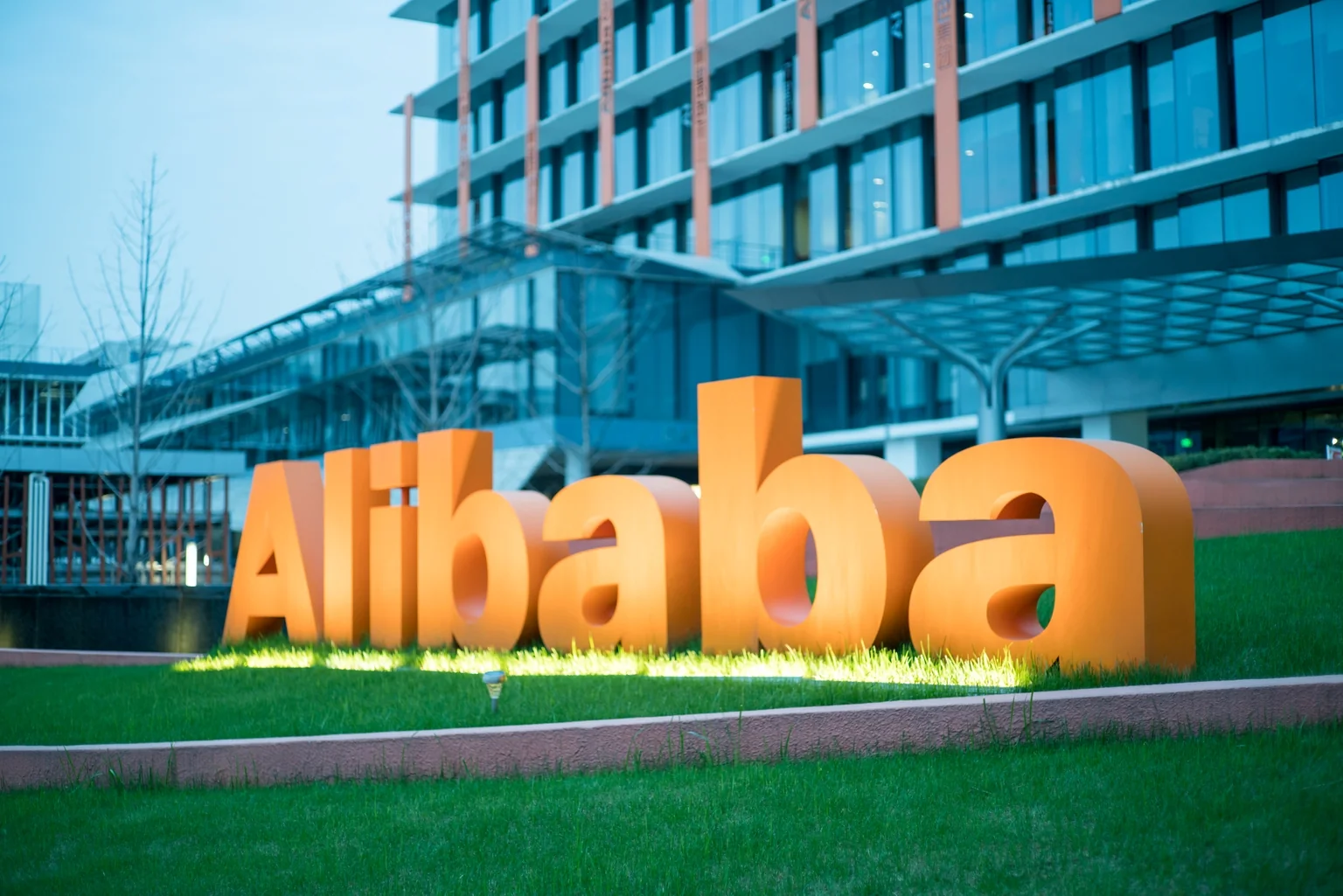
Chinese e-commerce giant Alibaba (BABA) is set to revamp its main mobile AI app. The company plans to rename the existing “Tongyi” apps for iOS and Android as “Qwen,” a name that echoes the company’s well-known AI model. According to Bloomberg News, Alibaba aims to introduce agentic-AI features in the coming months to support shopping on platforms including the Taobao marketplace.
This move is part of broader investments in AI, with over 100 developers dedicated to the project.
The end goal is for Qwen to become a fully functioning AI agent, potentially leading Alibaba to expand globally with an overseas version. The company’s strategy aligns with its long-term vision to compete with other major tech players, particularly OpenAI’s ChatGPT, which has gained significant traction in recent months.
Baidu’s AI Chip Initiative
Meanwhile, Baidu (BIDU), another major Chinese technology firm, is making strides in the realm of AI hardware. At its annual flagship technology conference themed ‘AI in Action,’ Baidu unveiled two new chips designed for AI processors and supercomputing products. The M100, an inference-focused chip, will be launched early 2026, while the M300, capable of both training and inference, is slated for release early 2027. These developments support China’s broader strategy to create a robust domestic tech stack independent of foreign suppliers.
The launch of these chips marks Baidu’s commitment to advancing its AI capabilities and reducing reliance on international components, which could have significant implications for the country’s tech industry in the years ahead.
Government Shutdown Impact
The U.S. government shutdown may result in a permanent loss of October CPI and jobs data, according to the White House. President Trump signed into law a federal spending package on Wednesday after it was cleared by Congress, ending the longest shutdown in U.S. history. However, even as the government resumes operations, there are concerns about data availability.
White House press secretary Karoline Leavitt stated, “With October CPI and jobs reports likely never being released and all of that economic data release will be permanently impaired leaving our policy makers at the Fed flying blind at a critical period.” The Bureau of Labor Statistics’ employees were furloughed during the shutdown, leading to challenges in releasing accurate October data.
This situation underscores the potential long-term impacts of government disruptions on economic analysis and policymaking.
These developments highlight the ongoing competitive landscape in AI technology, with major players like Alibaba and Baidu making significant strides while facing unique challenges such as data availability issues due to government shutdowns. As these companies continue their advancements, they will likely influence global tech trends and policies over the coming years.