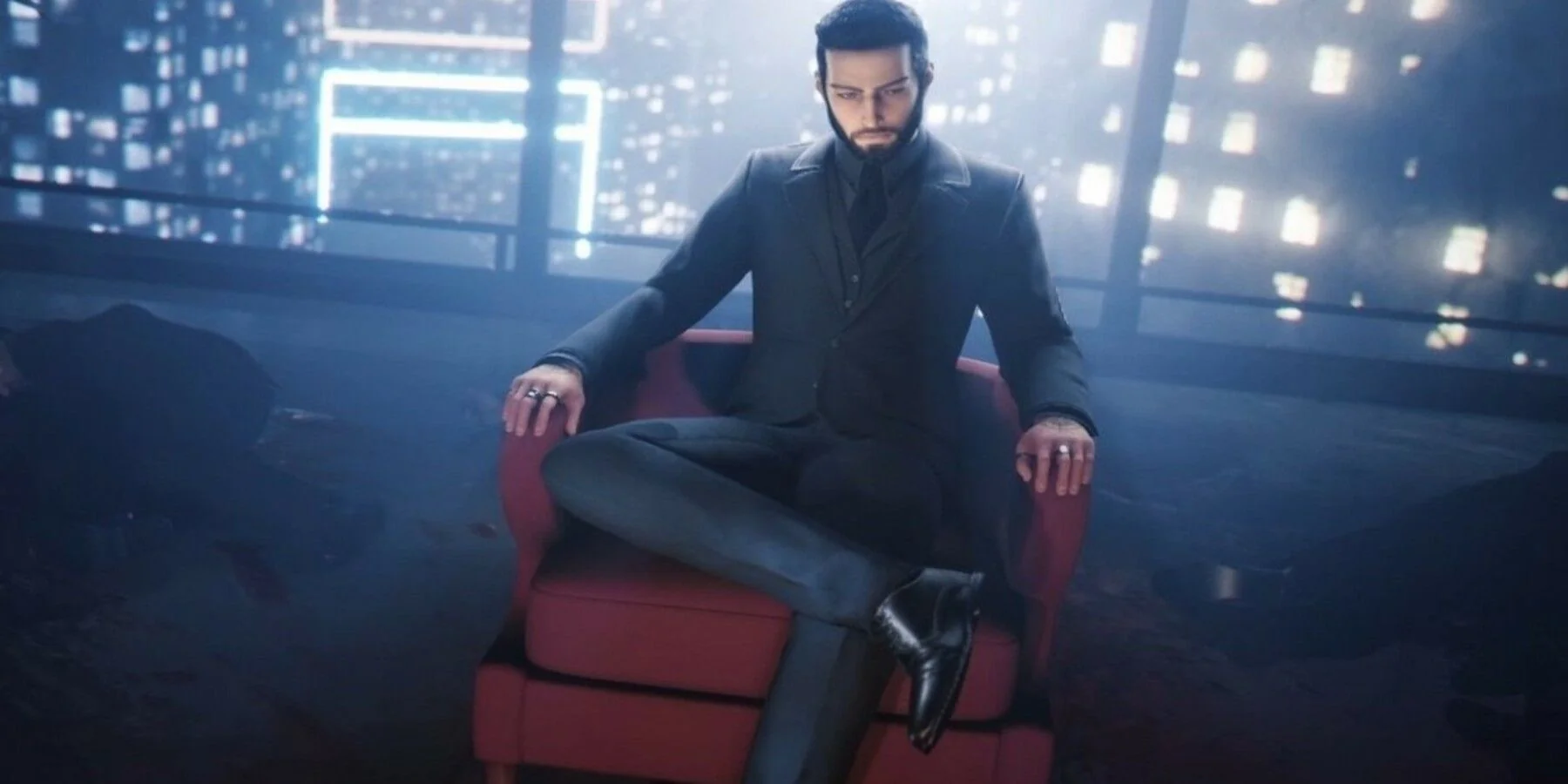
Key Highlights
- Vampire: The Masquerade Bloodlines 2 is a sequel that takes over two decades to release after the original game.
- The game features an interesting blend of detective story and vampire mythology, but suffers from numerous loose ends and awkward interactions with humans.
- Despite its flaws, the game offers some engaging elements such as mind-control abilities and conversations with fellow vampires.
A Decade-Long Development Journey
The journey to release Vampire: The Masquerade Bloodlines 2 has been anything but smooth. Developed by Hardsuit Labs, the game faced significant delays and development issues before being handed over to The Chinese Room in 2021. This long-awaited sequel arrives more than two decades after its predecessor, adding an air of anticipation that is somewhat tempered by the game’s convoluted narrative and numerous technical shortcomings.
Combining Detective Thrills with Vampire Chronicles
At its core, Bloodlines 2 presents a unique blend of detective fiction and vampire mythology. As you navigate the streets of Seattle, you are both a powerful vampire hunter and an observer of human life. The game is divided into two distinct stories: one where you, as a vampire, must maintain your secrecy while dealing with rival undead; and another where a younger, human detective named Fabian shares your consciousness, solving murders in the daylight.
The Chinese Room has managed to stitch these elements together, resulting in a 25-hour story that is not entirely cohesive.
While the game’s narrative aims to be engaging, it often feels like a patchwork quilt—some parts are intriguing, while others are awkward and disjointed. The contrast with AMC’s recent Vampire TV series is stark, highlighting just how far Bloodlines 2 falls short in terms of its storytelling prowess.
Technical Challenges and Gameplay Issues
One of the most significant issues with Bloodlines 2 lies in its gameplay mechanics. Despite the promise of a diverse array of vampire abilities, players quickly find that these powers are underutilized and often frustrating to employ. The game’s combat system is particularly problematic, featuring awkward first-person fighting sequences that feel out of place and less engaging than expected.
For instance, when you encounter ghouls—vampire minions—the combat can be tedious and repetitive. Players may need to lower the difficulty to ease these confrontations, a testament to how underdeveloped certain aspects of the game are. However, the story-driven interactions with fellow vampires offer some respite from the monotony.
Conclusion
An Interesting but Flawed Experience
While Vampire: The Masquerade Bloodlines 2 is not a total failure, it certainly has its share of problems. The game’s narrative and gameplay are often at odds with each other, leading to an experience that feels more like a half-finished project than a polished release. Nonetheless, The Chinese Room deserves credit for managing to create something playable out of a development disaster.
For fans of the original Bloodlines or those intrigued by vampire mythology, this game offers some intriguing elements, even if it falls short in many areas. As with any product that takes over two decades to release, the question remains: Is the wait worth it? For now, the answer seems to be mixed, with Vampire: The Masquerade Bloodlines 2 serving as a reminder of how challenging it can be to bring long-awaited sequels to life.