Key Highlights
- Vacherot discusses his recent foot injury and withdrawal from Rome and Hamburg.
- The 27-year-old views playing at Roland Garros as a special moment in his career.
- Vacherot reflects on the economic distribution in tennis and training with Jannik Sinner.
- He adapts to the Parisian heat after growing up in Monaco and Texas.
The Return of Vacherot: Playing Roland Garros at 27
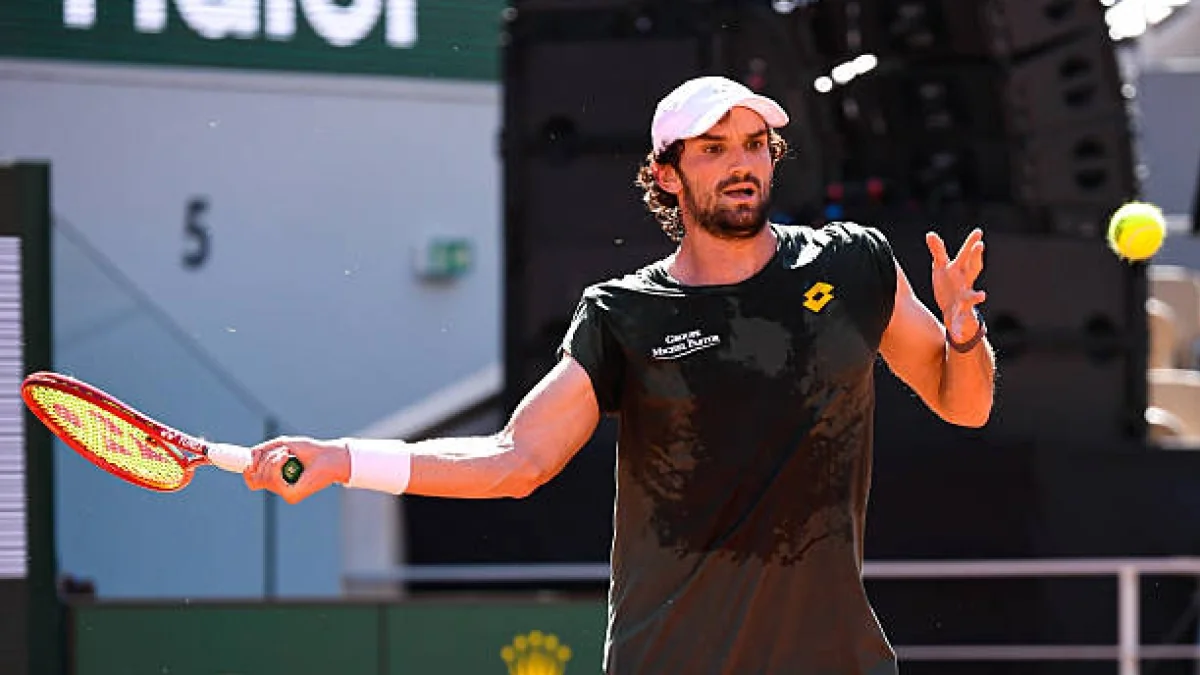
Valentin Vacherot, 27-year-old French tennis player, arrives at the 2026 French Open with a maturity that comes from years of battling challenges. During a recent Media Day before Roland Garros, he discussed how his career has evolved and why he feels more grounded now than ever.
Handling the Foot Injury
It’s clear Vacherot takes his health seriously. “It wasn’t in Rome but at the end of Madrid when I started feeling discomfort in my foot,” he explained. “It’s something that had happened before, but this time it became more uncomfortable than usual. So we decided to be cautious.” Vacherot managed to rest and train again for over a week. “Right now, I feel good physically.”
Special Experience of Playing Roland Garros
Vacherot faces the Parisian Grand Slam with a sense of nostalgia and excitement. “It’s very special because two years ago this was my first Grand Slam when I played the qualifiers,” he noted. “Now as a seeded player, it feels different.” Vacherot is thrilled about how easy it is to travel for the tournament—just an hour flight from his home in Monaco.
Pressure Management and New Status
Vacherot manages pressure by keeping things in perspective. “I don’t accept everything proposed to me because I try to stay focused, but at the same time, I want to enjoy all this as it’s something I had dreamed of since childhood,” he said. He acknowledges his new status and how it has changed his life. “If this change had come when I was 19 or 20, it would probably have been more complicated, but now at 27, I feel I have enough perspective to understand everything that is happening.”
Reflection on Economic Distribution in Tennis
Tennis’s economic distribution has always been a topic of debate. “I’m probably not the best person to address this debate because I’ve only been regularly playing big tournaments for six or seven months,” Vacherot admitted. He believes players ranked 200th to 300th should earn more, but understands top players’ frustrations too. “After having spent so many years in challengers, I personally have no reason to complain.”
Training with Jannik Sinner
Vacherot has had the chance to train twice with Jannik Sinner and finds it invaluable. “I’ve had the chance to train twice with Jannik, and honestly, he is a different player,” he shared. “It’s not just about ball speed or how he strikes, but because the ball always comes back. You can train with him for two hours and hardly see unforced errors.”
Adapting to Parisian Heat
Adapting to the heat in Paris is second nature to Vacherot. “The heat doesn’t bother me at all,” he said, explaining his background growing up in Monaco and Texas. “I’m quite used to it. The real challenge is when you go from playing in 15 degrees to 30 degrees overnight.”
Vacherot’s journey shows the importance of perspective and maturity in professional tennis. As he steps onto the court for Roland Garros, his experience and wisdom will undoubtedly serve him well.