Key Highlights
- Two SIA passengers were infected with measles before arriving in Singapore.
- The cases are not linked to any other known local measles cases.
- CDA confirmed the two individuals had been infected prior to their transit through Singapore.
- SIA is working closely with authorities and advising unwell customers to defer travel plans.
Measles Outbreak: Two SIA Passengers Infected Before Arrival in Singapore
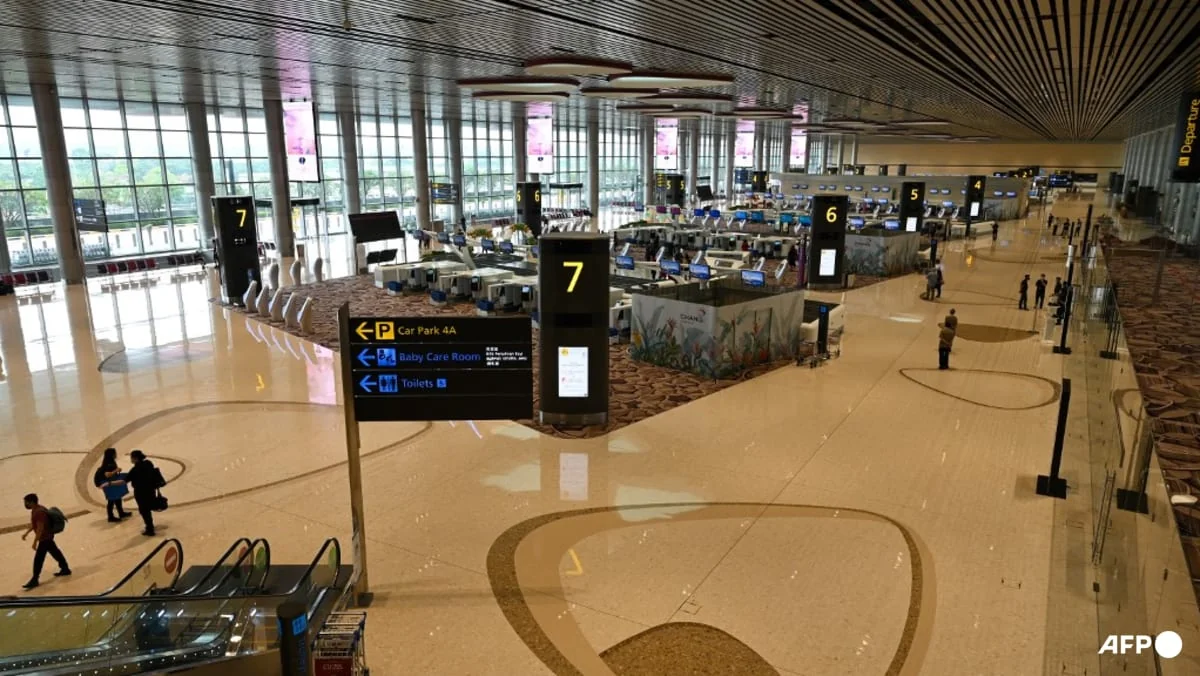
You might think this is new, but… it’s not. Yet another reminder of the importance of vaccination in our interconnected world. The Communicable Diseases Agency (CDA) has confirmed that two Singapore Airlines (SIA) passengers were already infected with measles before arriving at Changi Airport on a transit stop.
According to CDA’s Associate Professor Lim Poh Lian, group director of the agency’s communicable diseases programs, the infected individuals flew from Hyderabad, India, and transited through Singapore for two hours before boarding an SIA flight to Auckland.
These passengers are part of the same household and had been infected prior to their transit in Singapore.
Despite the fact that the pair remained in the transit area throughout their time in Singapore, they were not linked to any other known measles cases in the country. This is a significant detail because it highlights how easily infectious diseases can spread even within controlled environments like airports.
SIA’s Response and Precautions
While SIA’s spokesperson acknowledged that they are working closely with relevant authorities, they also advised customers who are unwell to defer their travel plans. The airline is monitoring the situation closely and remains guided by the authorities to ensure compliance with all safety regulations.
“The best precaution against measles that passengers and aircrew can take is to ensure that they are fully vaccinated for measles prior to travel,” said Associate Professor Lim, emphasizing the importance of vaccination as a preventive measure. She also advised travelers to maintain good personal hygiene, including washing hands frequently with soap, and avoiding close contact with persons who are unwell.
“Those who become unwell and develop symptoms including rash, fever, cough, red or watery eyes and runny nose should wear a mask, seek medical attention promptly, and inform their doctor of their travel history and any exposure to measles cases,” she added, providing clear guidance on what steps to take if one suspects they have been exposed.
Implications for Aviation Health
This incident underscores the challenges faced by aviation health in a globalized world. With thousands of passengers transiting through major airports every day, maintaining high standards of hygiene and health is an ongoing battle. The fact that these two individuals managed to infect no one else during their transit period at Changi Airport is a testament to the stringent measures in place.
However, it also raises questions about the effectiveness of current protocols and whether additional steps are needed to further mitigate risks.
As air travel continues to grow, so too does the potential for such incidents to occur, making proactive health management strategies crucial.
In an era where misinformation and fear can spread just as quickly as a virus, it’s important that clear, consistent communication from authorities like CDA helps keep the public informed without causing undue panic. After all, knowledge is power, especially when it comes to protecting public health in our interconnected world.