Key Highlights
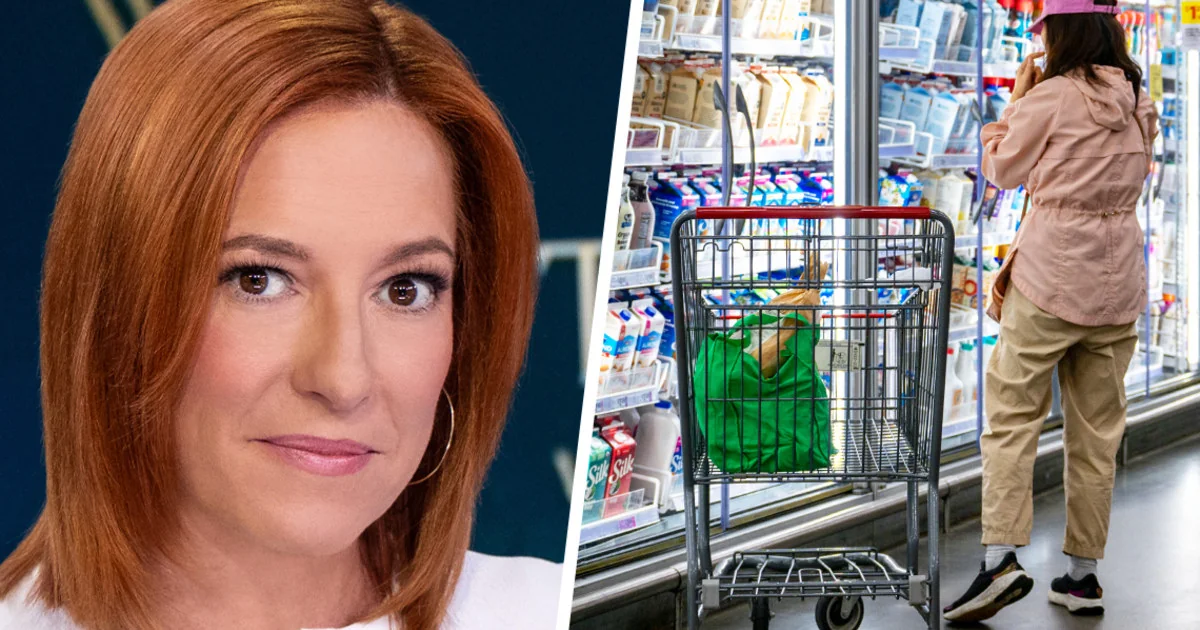
- According to a poll, 71% of Americans say groceries are more expensive now than they were a year ago.
- 59% of Americans blame President Trump for the current rate of inflation and rising prices.
- President Trump claimed that the government shutdown was a major factor in Democrats’ success in recent elections.
- The White House refused to fund SNAP benefits, leading to potential food shortages for millions of Americans.
The Reality Check on Inflation and Government Shutdown
In the wake of a significant poll revealing that 71% of Americans consider grocery prices more expensive now than last year, it’s clear that the issue has reached a critical point. This sentiment is not just anecdotal; it’s backed by data showing that 59% of Americans blame President Donald Trump for the ongoing economic struggles.
The Government Shutdown: A Blunt Tool for Political Gain
President Trump’s recent statements about the government shutdown as a factor in Democrats’ electoral success have been met with skepticism. On Wednesday, ahead of a meeting with Republican senators, he stated that the shutdown was “a big factor” negatively impacting Republicans. This assertion comes despite polls consistently showing that the American public holds Republicans responsible for the shutdown.
The impact of the shutdown extends beyond political rhetoric; it directly affects millions of Americans’ daily lives.
The Trump administration’s decision not to fund the Supplemental Nutrition Assistance Program (SNAP) has raised concerns about food security among 42 million recipients. Despite court orders from two federal judges, the administration has faced criticism for its refusal to release funds, forcing millions to navigate cumbersome bureaucratic processes.
SNAP Benefits and their Impact on Food Security
The White House’s stance on SNAP funding is particularly concerning given that food assistance programs are crucial for many Americans. According to a USDA official, recipients could receive only 65% of the average $187 monthly allowance, translating to just $121.55 in some cases. This reduction poses significant challenges for individuals trying to buy groceries with limited funds.
On Thursday, a federal judge ordered the administration to fully fund SNAP benefits by Friday, temporarily halting Trump’s cuts. However, this relief is temporary and highlights the ongoing tensions between political posturing and practical economic realities faced by millions of Americans.
Conclusion
The Need for Transparency and Practical Solutions
The reality is that while politicians may spin narratives to their advantage, the American public remains keenly aware of these issues. As inflation continues to rise and government shutdowns persist, it becomes imperative for policymakers to address these concerns transparently and effectively.
Expert analysis suggests that practical solutions, such as improved funding for essential programs like SNAP, could help alleviate some of the immediate pressures on American families. In a time when trust in political institutions is at an all-time low, addressing these issues head-on can help restore confidence in government’s ability to serve its citizens.