Key Highlights
- Donald Trump has appointed his 26-year-old ex-receptionist to the Commission of Fine Arts.
- Harris, with no notable arts background, is set to be sworn in despite her young age and lack of experience.
- The commission is reviewing Trump’s $400 million ballroom project, raising questions about political influence over artistic decisions.
Trump’s Appointments Under Scrutiny: The Commission of Fine Arts Case
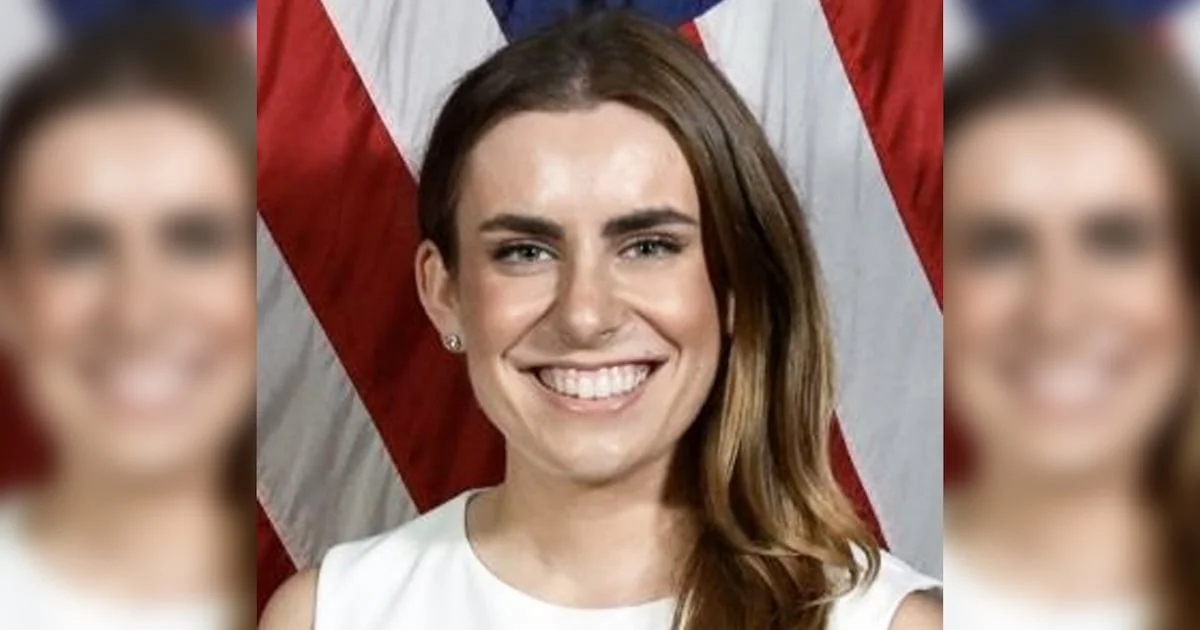
Donald Trump has once again blurred the lines between politics and art by appointing his 26-year-old ex-receptionist, Chamberlain Harris, to a key position on the Commission of Fine Arts. This move comes as the commission is reviewing his ambitious $400 million ballroom project in the White House, sparking concerns about political influence over artistic decisions.
A Lackluster Résumé
Harris’s résumé brings little to the table in terms of relevant experience. She earned a bachelor’s degree in political science from the University at Albany, SUNY, with minors in communications and economics. Her most notable claim to fame is her role as the “receptionist of the United States” during Trump’s second term. Despite this, she has no significant background in the arts, leaving many questioning why she was chosen for such a prestigious position.
A Political Appointment with Little Artistic Merit
Trump fired all six members of the CFA in October and has since installed MAGA allies on the panel ahead of its next public meeting. Harris’s appointment is just one of several politically motivated moves by Trump to influence artistic decisions within government institutions.
Former fine arts commissioners told The Washington Post that Harris—whose profile says she managed Trump’s Presidential Portrait Project in conjunction with the Smithsonian—appears to have less prior arts experience than anyone on the panel’s history. Yet, White House Communications Director Steven Cheung insists that Harris “understands the President’s vision and appreciation of the arts like very few others, and brings a unique perspective that will serve the Commission well.”
The Ballroom Project and Beyond
Trump has already torn down the White House’s East Wing to make way for the 90,000-square-foot ballroom. The project is part of his broader vision to transform the capital into a display of his personal taste and political ideology. With Harris as the panel’s youngest member, it will be interesting to see how her presence impacts the commission’s decisions on Trump’s other D.C. projects, such as his planned $100 million triumphal arch.
The National Trust Preservation Committee has filed a lawsuit accusing Trump of overstepping his authority to fast-track the controversial ballroom.
U.S. District Judge Richard Leon, an appointee of George W. Bush, has yet to rule on the case.
Despite this legal challenge, Trump continues to push forward with his vision, ignoring federal review panels and prioritizing his personal ambitions over established protocols.
With Harris appointed, it remains to be seen how much sway she will have over the commission’s decisions, but one thing is clear: politics and art are becoming increasingly intertwined in this administration. The question is whether this is a trend that will continue or if there will eventually be pushback from both within and outside government.