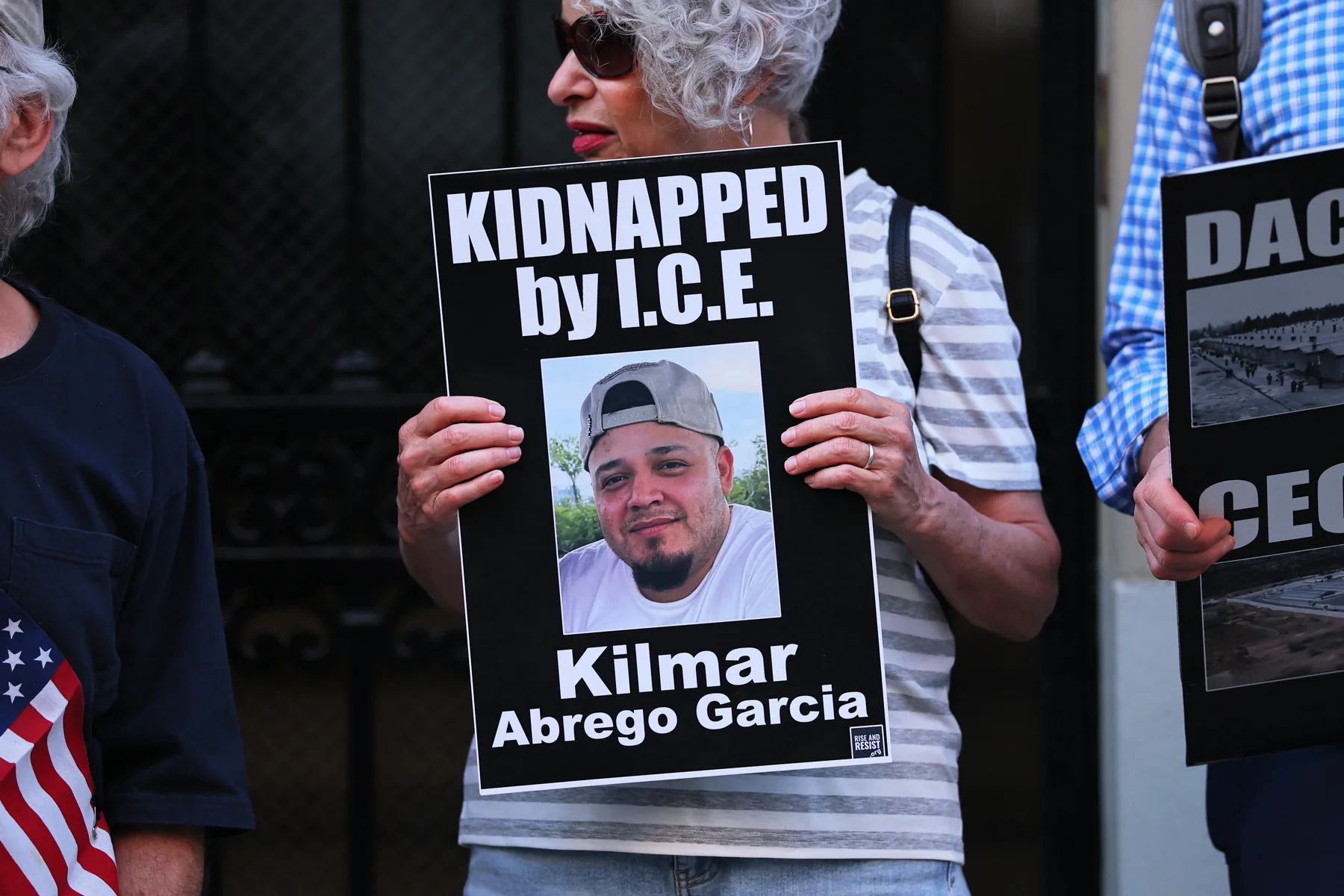
Key Highlights
- The Trump administration plans to deport Kilmar Abrego Garcia to Liberia.
- Kilmar Abrego Garcia is an El Salvadorian man facing charges of human smuggling.
- Federal judges have received diplomatic assurances regarding the treatment of individuals removed to Liberia.
- Three African countries initially declined to receive Kilmar Abrego Garcia, leading to his potential deportation to Liberia.
Background and Context
The case of Kilmar Abrego Garcia has been a complex one in the realm of immigration law. Garcia is an El Salvadorian national who was deported to his home country in March but returned to the United States in June due to allegations of human smuggling. The Trump administration, under the leadership of Assistant Attorney General Brett Shumate, has been working diligently to ensure that Garcia is removed from the U.S. and faces justice according to the law.
Deportation Efforts and Challenges
The process of deporting Kilmar Abrego Garcia has not been straightforward. The Trump administration initially sought to send him back to multiple African countries, including Uganda, Eswatini (Swaziland), and Ghana. However, these nations declined to take him in, complicating the deportation efforts.
This decision was made despite the U.S. government’s assurances regarding the treatment of individuals removed from their territories.
“Federal Defendants have received diplomatic assurances regarding the treatment of third country individuals removed to Liberia from the United States and are making the final necessary arrangements for Petitioner’s removal,” stated Assistant Attorney General Brett Shumate in a court filing. The administration expects to provide formal notice of the new designation of Liberia to Garcia later that day.
Future Implications and Broader Context
The case of Kilmar Abrego Garcia reflects broader challenges faced by immigration authorities, particularly under the Trump administration. It highlights the complexities involved in deportation proceedings, especially when dealing with individuals from countries that are hesitant or unwilling to accept them. The process also underscores the importance of diplomatic relations and assurances in such cases.
While the immediate goal is to deport Garcia, this case may set a precedent for how similar situations could be handled in the future.
It raises questions about the effectiveness of deportation policies and the role of international diplomacy in resolving these issues. As the U.S. continues to navigate the intricacies of immigration law, cases like Garcia’s will likely continue to shape policy discussions and judicial decisions.