Key Highlights
- Cebu Pacific and Philippine Airlines canceled a total of 34 flights across key airports in the Philippines.
- The cancellations affected domestic routes to Manila, Iloilo, Cebu, Clark, Caticlan, Bacolod, and Laguindingan, as well as international destinations like Sydney and Taiwan.
- Key airlines are facing ongoing operational challenges due to aircraft maintenance, weather disruptions, and crew availability issues.
- The situation has caused significant inconvenience for passengers traveling during the peak holiday season.
Travel Disruptions in the Philippines: Major Airline Cancellations
HomeNews InterviewsVideosShowsClientsTTW AppAbout UsContact Us
Search for:
Airline News
Travel Disruption in Philippines as Over 30 Flights Are Cancelled Including Cebu Pacific and Philippine Airlines Affecting Routes to Manila, Sydney, Taiwan, Clark, and More
Widespread Flight Cancellations
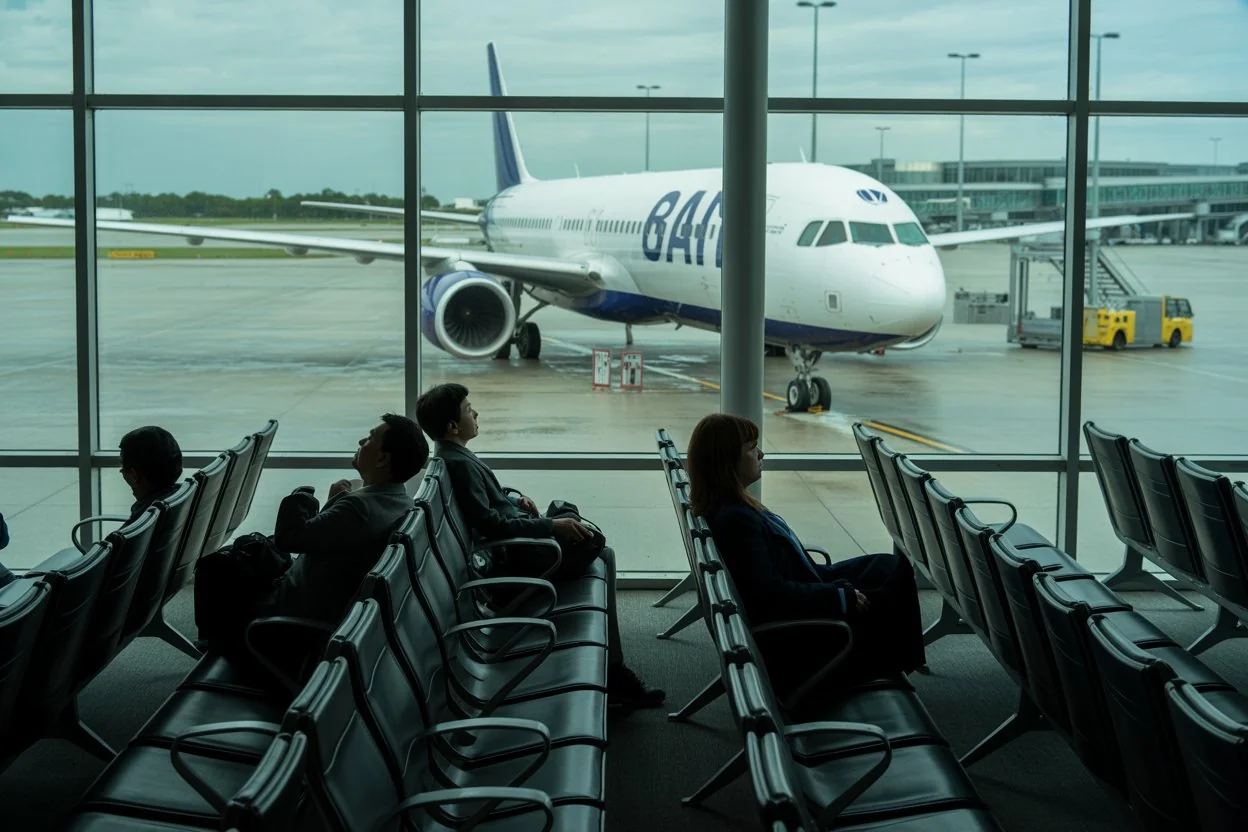
Air travel across the Philippines faced major disruptions this week after widespread flight cancellations affected both domestic and international routes. Cebu Pacific and Philippine Airlines canceled a total of 34 departures from key airports, impacting travelers’ plans to destinations such as Manila, Sydney, Taiwan, Clark, and more.
Regional Impact
The disruptions were most extensive between October 23 and 27. Key cancellations by airport are detailed below:
- Manila (RPLL): Cancellations to Iloilo, Bacolod, Busanaga, Antique, Siargao, Basco, Calbayog, Sydney. Aircraft types: A320, DH8B, A333.
- Mactan-Cebu (RPVM): Cancellations to Caticlan, Busanaga, Laguindingan, Catarman, Siargao, Iloilo.
Aircraft type: DH8B.
- Iloilo (RPVI): Cancellations to Manila and Cebu. Aircraft types: A320, DH8B.
- Clark (RPLC): Cancellations to Basco and Siargao. Aircraft type: DH8B.
- Caticlan (RPVE): Cancellations to Cebu and Manila.
Aircraft type: DH8B, A320.
- Bacolod-Silay (RPVB): Cancellations to Cebu and Manila. Aircraft type: DH8B, A320.
- Laguindingan (RPMY): Cancellation to Cebu. Aircraft type: DH8B.
Possible Reasons for the Cancellations
While neither airline has released an official explanation, several factors may have contributed to the cancellations:
- Operational realignments due to aircraft maintenance or load balancing
- Weather-related disruptions common during the October monsoon season
- Crew and fleet availability issues leading to cascading delays
Impact on Passengers
The widespread cancellations have caused significant inconvenience for travelers, particularly those heading to tourist spots like Siargao, Boracay, and Busanaga. Passengers are reporting delays in rebooking flights and confusion over compensation policies.
Travelers with connecting flights through Manila or Cebu are experiencing extended layovers or overnight stays as they wait for the next available departure. The airline advises passengers to monitor official apps or SMS updates for real-time flight information, avoid tight connections on domestic journeys, and be prepared for potential fare fluctuations due to aircraft availability.
Broader Implications for Philippine Air Travel
The recent disruptions highlight the fragile balance of the country’s aviation ecosystem. Cebu Pacific’s cancellations across multiple regional airports demonstrate how operational challenges can ripple through interconnected routes, while Philippine Airlines’ flight updates show that even established carriers face scheduling and resource pressures.
Passengers are urging clearer communication from airlines regarding delays and rebooking options to prevent confusion and unnecessary congestion at airport terminals. As the peak holiday travel season approaches, airlines must focus on enhancing operational flexibility, particularly on high-demand routes such as Manila–Iloilo, Cebu–Siargao, and Clark–Basco.
Future Outlook
The recent wave of flight cancellations across the Philippines has disrupted travel for hundreds of passengers and exposed lingering vulnerabilities in the country’s aviation sector. From Manila to Cebu, Iloilo, Clark, and even Sydney, the disruptions underline how tightly connected and sensitive the domestic network remains.
As airlines work to recover, maintaining transparency and passenger care will be essential in restoring confidence in Philippine air travel. Regulatory agencies may step in to monitor compliance and passenger welfare if flight cancellations continue at this scale. In the near term, passengers can expect closer monitoring of flight punctuality and cancellations, adjusted flight schedules for maintenance and safety checks, and possible fare fluctuations depending on aircraft availability and demand.