Key Highlights
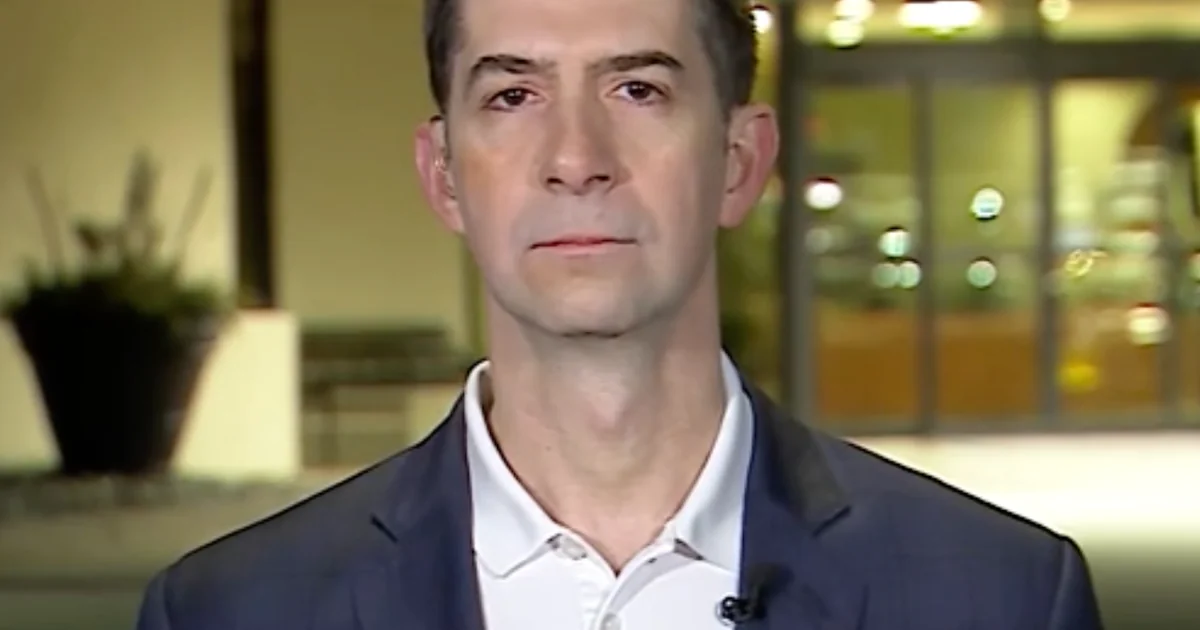
- Sen. Tom Cotton, Republican of Arkansas, discusses U.S. military campaign against Iran.
- The President has clarified no large-scale ground force plans inside Iran.
- CIA intelligence led to the killing of the Supreme Leader according to Sen. Cotton.
- Secretary Marco Rubio’s testimony on potential post-regime collapse scenarios remains uncertain.
- Sen. Cotton emphasizes the priority is destroying Iran’s vast missile arsenal.
The U.S.-Iran Standoff: A Complex Web of Power and Politics
Cutting through the political fluff, Sen. Tom Cotton, chairman of the Senate Intelligence Committee, gave a clear yet nuanced view during his appearance on “Face the Nation” with Margaret Brennan.
Sen. Cotton’s stance is firm but not alarmist.
He clarifies that while there are risks like shot-down aircraft, the U.S. has no plans for large-scale ground forces in Iran. This reassures Americans who might have been worried about a full-blown military engagement on Iranian soil.
Intelligence and Military Strategy
The President’s office is leaning heavily on intelligence reports to justify its actions, with the CIA playing a significant role. Sen. Cotton mentions that their capabilities are unparalleled, but he also notes that Israel contributed crucial intel in this operation, highlighting the strong bilateral relationship between the two nations.
Potential Regime Change and Beyond
Secretary Marco Rubio’s cautious response on potential post-regime collapse scenarios suggests a complex future for Iran. Rubio’s testimony hints at uncertainty, leaving many questions unanswered about the stability of any successor regime.
Cotton, however, remains optimistic about the long-term prospects, believing that the U.S. military campaign is not only aimed at destroying Iranian missile capabilities but also targeting senior leadership who have been complicit in decades of violence and repression.
Public Support and Congressional Oversight
The senator emphasizes the need for continued congressional oversight, warning Democrats like John Fetterman and Josh Gottheimer to support the troops. He argues that an eight-minute address by the President on social media was sufficient to justify the military action, although some might argue more context is needed.
Despite Sen. Cotton’s reassurances, the public remains skeptical. According to CBS polling, 74% of Americans expected Congress’s approval before any military action against Iran, a clear indication that this decision has not been universally welcomed.
A Managed Transition or Regime Change?
The exact nature of what comes next in Iran remains uncertain. Sen. Cotton suggests a managed transition rather than a complete regime change, pointing to the 90 million Iranians who have suffered under the Islamic Republic for decades.
He emphasizes that the help provided by the U.S. is not just symbolic but real and impactful.
Despite the complexity, it’s clear that both the U.S. and Israel are committed to ensuring Iran’s missile arsenal cannot pose a threat. The immediate goal remains the destruction of these weapons, with long-term plans to weaken Iranian leadership and their capabilities.
The full transcript can be found on CBS News’ website, providing readers with access to the original dialogue between Sen. Cotton and Margaret Brennan. Stay tuned as this evolving story continues to unfold.