Key Highlights
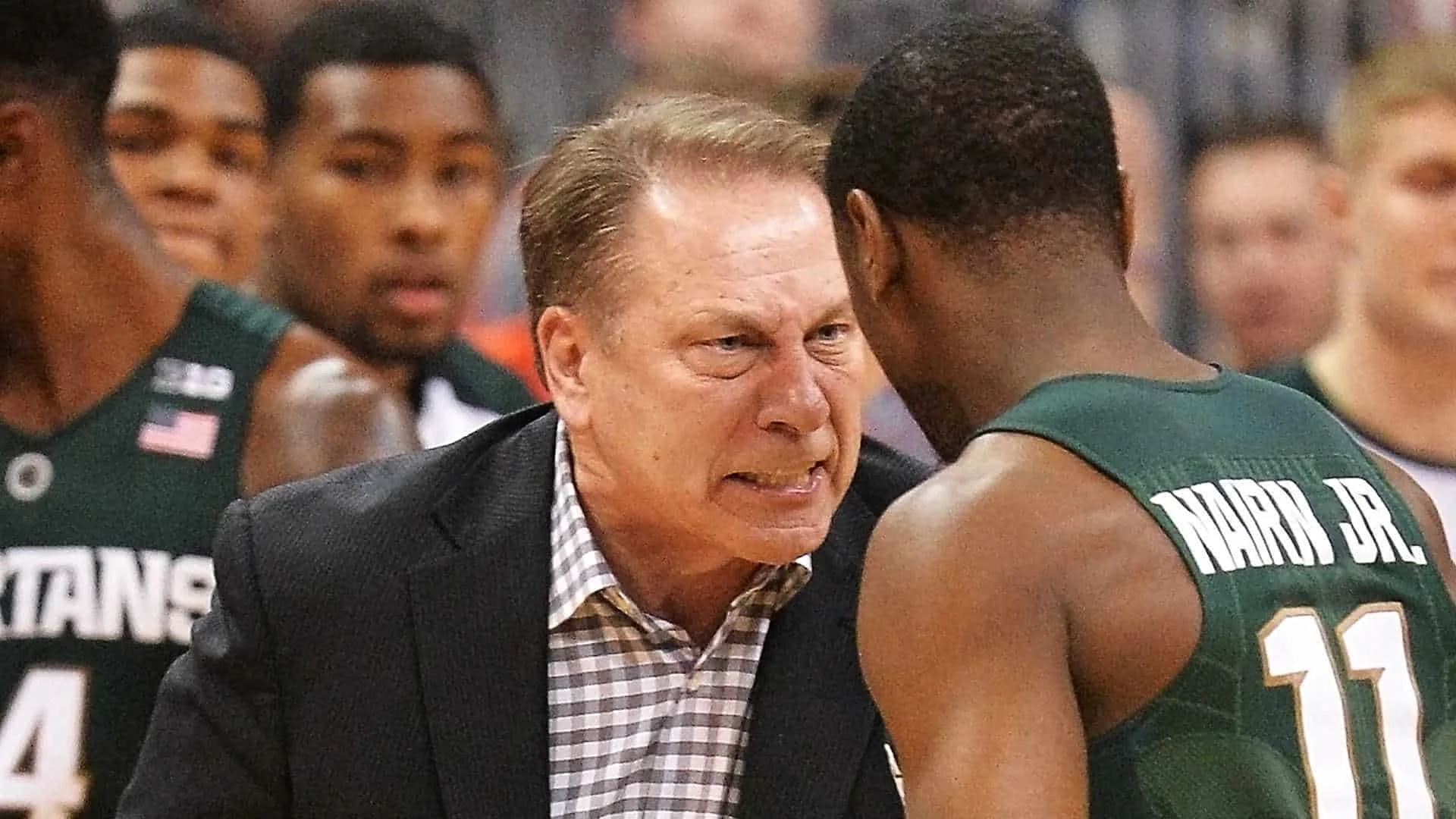
- Tom Izzo, head coach of the Michigan State Spartans, criticizes the NCAA for allowing former NBA G League players to join college teams.
- The move comes as the NCAA’s rules regarding player eligibility have changed, following a 2021 Supreme Court ruling that opened up opportunities for athletes to earn money off their name, image, and likeness.
- Izzo argues that these changes are unfair to freshmen recruits and disrupt college basketball’s traditional model of player development.
- The coach expresses concern over the lack of consultation with coaches before implementing such changes.
Tom Izzo’s Criticism of NCAA Rules Changes
In a recent interview, Tom Izzo, head coach of Michigan State University’s basketball team, voiced his strong disapproval of the National Collegiate Athletic Association (NCAA) for allowing former players from the NBA G League to join college teams. His comments came after two such players committed to college programs—London Johnson to Louisville and Thierry Darlan to Santa Clara.
According to Izzo, this shift is a significant departure from traditional practices in college basketball. “Kids aren’t the problem,” he stated bluntly. “We are.” The coach highlighted that these changes were sprung on them without adequate communication or consultation with coaches, leading to confusion and frustration within the coaching community.
The Evolving Landscape of College Basketball
Since 2021, when the U.S. Supreme Court ruled in favor of NCAA v. Alston, allowing college athletes to earn money off their name, image, and likeness (NIL), the landscape of college basketball has changed dramatically.
Previously, players who had competed professionally were ineligible for NCAA teams due to strict amateurism rules.
Now, a growing number of former NBA G League players are entering the collegiate ranks, raising questions about the long-term impact on the sport. Izzo pointed out that this influx is affecting not just established programs but also up-and-coming freshmen who had been recruited based on their perceived college prospects.
Impact and Concerns
The coach emphasized his concerns over the fairness of these new rules. “What about the freshmen you recruited there?” Izzo asked, referring to the potential impact on young players’ careers and aspirations. He also expressed disdain for those making these decisions, suggesting they were motivated by fear of legal challenges rather than a genuine desire to improve college basketball.
“They’re afraid that a lawyer is going to sue them,” Izzo said, adding that sooner or later, the NCAA needs to “regroup” and address these issues. This sentiment reflects a broader debate within the sports community about how to balance athlete rights with traditional values in collegiate athletics.
Expert Perspectives
While Izzo’s views are strong, they represent just one voice among many in college basketball. Other coaches may have differing opinions, leading to ongoing discussions and debates over how to navigate these new rules effectively. As the landscape continues to evolve, it will be crucial for stakeholders—including players, coaches, administrators, and legal experts—to engage in open dialogue to ensure that college basketball remains both competitive and fair.