Key Highlights
- The podcast “I’ve Had It” gained popularity among liberals who feel the Democratic Party is not standing up enough against President Trump.
- Hosts Jennifer Welch and Angie Sullivan criticize key Democratic leaders for inaction on issues like support for marginalized groups and pushback against Trump policies.
- “I’ve Had It” challenges Democratic unity, suggesting that a conservative-like approach to politics could gain traction among the liberal base.
- The hosts argue their show’s unvarnished and often impolite tone resonates with listeners who find traditional media too polite or complacent.
Podcast Challenges Democratic Leadership
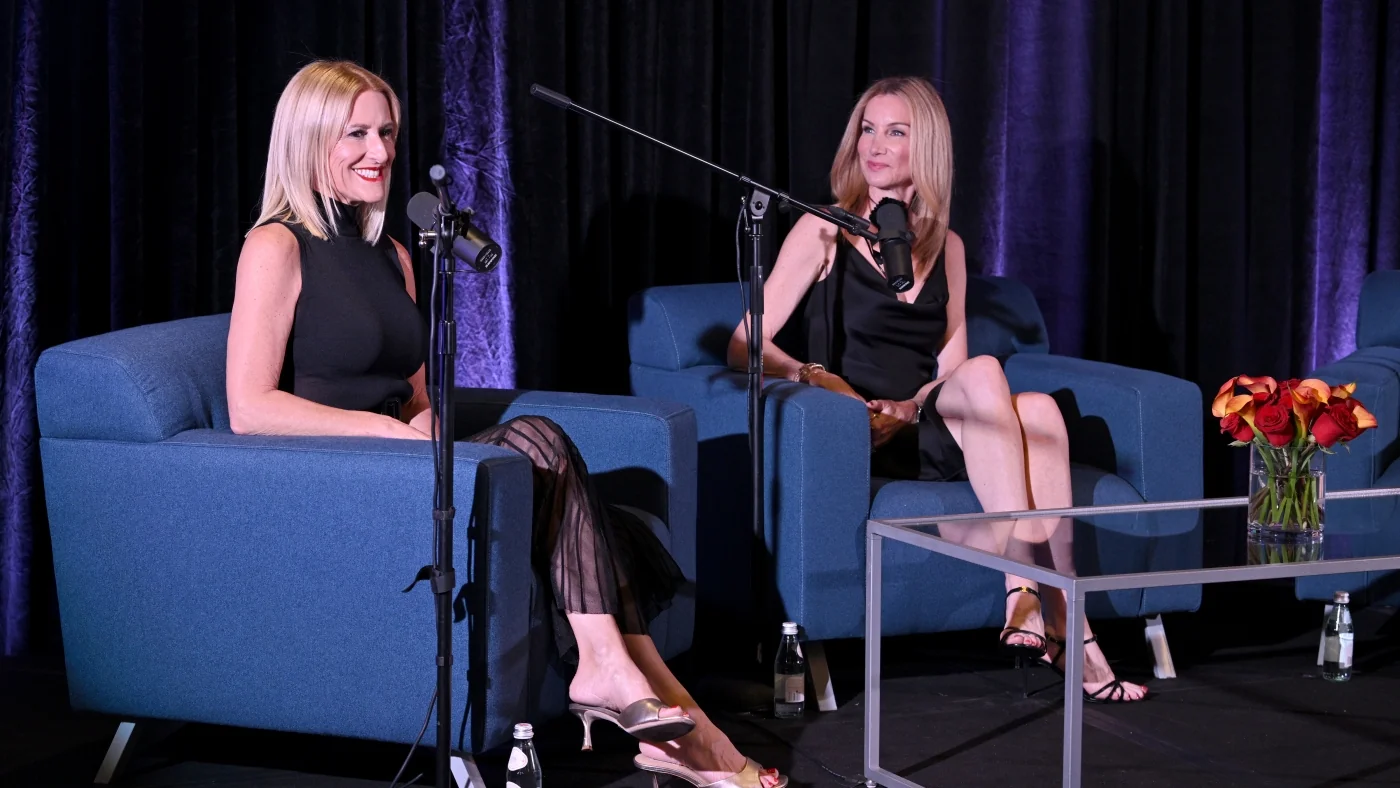
“I’ve Had It,” a podcast hosted by Jennifer Welch and Angie Sullivan, has become a significant voice among liberals dissatisfied with the current state of the Democratic Party. The show’s rise to prominence is marked by its sharp criticism of key party leaders for failing to address perceived shortcomings in their approach.
Hosts’ Criticism of Democrats
In an interview, Welch highlighted the dissatisfaction with what she perceives as a preservationist stance among Democratic leaders. “It feels like the ‘Preservation Party,’ that they want to preserve the status quo,” she stated. “They are not evolving and they are not moving.” Welch’s criticism extends to key figures such as House and Senate Democratic leaders, Hakeem Jeffries and Chuck Schumer, for what she views as insufficient action against President Trump’s policies.
Specifically, Welch pointed out the lack of strong opposition from party leaders on issues like support for marginalized groups and backing of young and progressive candidates. She used New Jersey Sen. Cory Booker as an example, noting his failure to provide a clear answer when asked about Israeli Prime Minister Benjamin Netanyahu’s alleged war crimes.
The Podcast’s Tone and Audience
Welch and Sullivan attribute the show’s success partly to its raw, unvarnished approach to discussing politics. “A little bit of gossip, a little bit of policy, a little bit of ‘F yous’… it’s more digestible, it’s more interesting that way,” Welch explained. The hosts also credited Trump for making politics more conversational, despite their personal disagreement with his policies.
Sullivan added, “I do think that since we don’t take ourselves so seriously — like so many politicians — it makes us more like just a gal pal that you’re running around with.” This approach resonates with millions of followers across various social media platforms, including Instagram, YouTube, and TikTok.
Impact on Democratic Unity
The success of “I’ve Had It” poses a challenge to the unity within the Democratic Party. According to Welch, there is an appetite among some liberals for a more conservative-like approach to politics. “Hakeem and Chuckles – that’s what we call Chuck Schumer – and the Cory Bookers of the Democratic Party, if they don’t get their s*** together, a grifter much like Donald Trump will come in and fill that void,” she warned.
The hosts argue that their show’s tone is representative of how people talk about politics today. They believe this unvarnished approach has gained traction precisely because it mirrors the more confrontational style of communication associated with President Trump.
Conclusion
“I’ve Had It” represents a significant shift in political discourse, challenging traditional boundaries and expectations within the Democratic Party. As the podcast continues to grow in popularity, it remains to be seen how this new voice will influence future political strategies and alliances among Democrats. The show’s success highlights the growing dissatisfaction among liberals with perceived complacency or lack of action from party leaders.