Key Highlights
- The U.S. government proposed a 107% tariff on imported Italian pasta.
- This would be the highest tariff ever levied on a food import from Italy.
- Several major Italian pasta brands could face significant price increases or removal from U.S. shelves if tariffs are implemented.
- The tariffs follow an anti-dumping probe by the Department of Commerce, which found unfair pricing practices in 13 major Italian pasta producers.
Potential Impacts on American Pasta Shelves
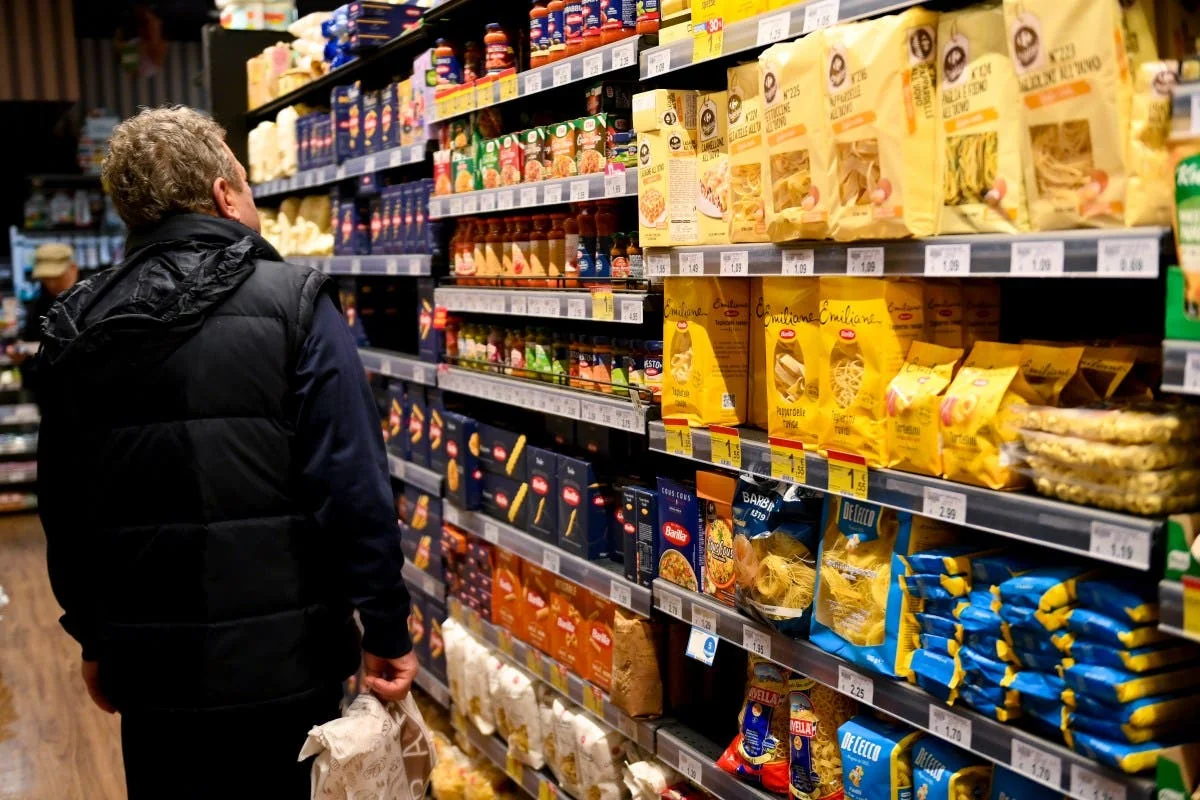
Several imported pasta brands could vanish from U.S. grocery shelves if President Donald Trump’s proposed tariffs take effect, according to multiple media outlets. The proposed 107% total tariff on imported Italian pasta is a significant escalation that threatens the diversity, affordability, and availability of authentic Italian pasta for American consumers.
Background and Regulatory Actions
The U.S. Department of Commerce launched an anti-dumping investigation into Italian pasta imports in August 2024 after complaints from two American manufacturers: 8th Avenue Food & Provisions and Winland Foods, over alleged unfair pricing from Italian exporters. In its September 2025 preliminary findings, the Commerce Department proposed a 91.74% anti-dumping tariff on 13 major Italian pasta producers, adding to an existing 15% baseline tariff on European Union goods.
Industry Reactions and Concerns
Industry groups warn that these tariffs could double the prices of imported pasta for American consumers. Rummo USA’s chief commercial officer, Jim Donnelly, stated in a report from The New York Post: “This will be devastating to all the Italian pasta companies, not just Rummo. We will absorb this until this bad ‘cookie cutter judgment’ is fixed.” He emphasized that the company would not pass on the full cost increase of $3.99 to $7.99 per package.
Francesco Lollobrigida, Italy’s Minister of Agriculture, expressed strong opposition to these tariffs in an interview with Il Sole 24 Ore: “Together with the Italian ambassador to the United States, Marco Peronaci, we are carefully following the alleged anti-dumping action, which would trigger a hyper-protectionist mechanism towards our pasta producers for which we see neither the need nor any justification.” The proposed tariffs could take effect at the start of January 2026 if they are upheld.
Global Trade Implications
The potential trade rift between the U.S. and Italy over food imports signals wider tensions in U.S.–EU relations. Barilla, one of the largest pasta producers with some domestic manufacturing capabilities, is less at risk compared to brands exclusively exporting from Italy, according to Il Sole 24 Ore. The tariffs have also prompted strong reactions from European and Italian government officials who consider this a “mortal blow for Made in Italy.” The European Union’s trade commissioner, Maroš Šefčovič, criticized the U.S. investigation and signaled the possibility of a World Trade Organization dispute.
The U.S.
White House officially stated that the Italian companies had multiple opportunities to provide the requested information before they were hit with the high tariff rate. The officials suggested that these companies should focus on complying with the investigation instead of complaining about it, according to the New York Post report. Major Italian producers are urging the U.S. government to revise or reduce the tariff before it takes effect.