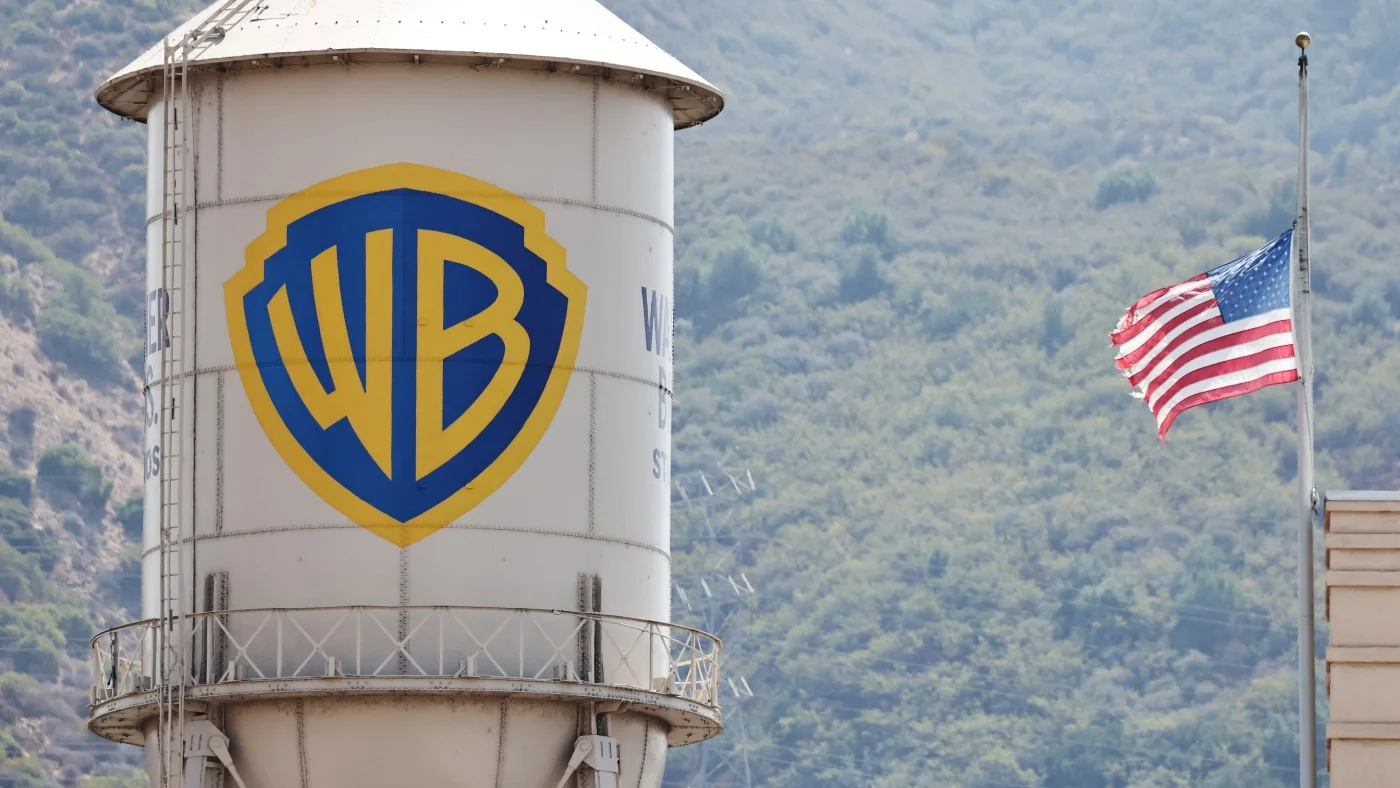
Key Highlights
- Warner Bros. Discovery is up for sale, causing buzz in Hollywood.
- The company has a rich history dating back to 1923 and owns numerous iconic films.
- Hollywood speculates on potential buyers such as Paramount, Netflix, Comcast, or Amazon.
- Theater owners hope for an increase in movie releases to boost cinema attendance.
Warner Bros. Discovery on the Block: Hollywood Buzzes with Speculation
Culture theater owners are closely watching as Warner Bros. Discovery, a company with a rich history stretching back to 1923, is up for sale. According to company spokesperson Robert Gibbs, non-binding bids have been accepted until Thursday, and a decision on the sale by Christmas is expected.
A Legendary Film Studio’s Journey
The story of Warner Bros. began with four brothers—Harry, Albert, Sam, and Jack—who owned a movie theater in Pennsylvania before migrating to Hollywood to produce films. By 1927, the studio made history with its first “talkie” feature film, The Jazz Singer. Over the years, Warner Brothers has been home to countless classic movies like Casablanca, The Big Sleep, and The Maltese Falcon in the 1940s. More recent hits include films such as A Clockwork Orange, Goodfellas, and even video game adaptations like Barbie.
Potential Buyers and Market Trends
The sale of Warner Bros. Discovery has turned into a Hollywood parlor game, with industry insiders guessing who might take over the business. David Ellison from Paramount Skydance has already made several approaches, raising speculation that his company could be in the running.
Antitrust concerns have also been raised regarding Netflix’s potential interest in acquiring the company, as its co-CEO Ted Sarandos stated during an earnings call: “We’ve been very clear in the past that we have no interest in owning legacy media networks.” Other possible suitors include Comcast, Amazon, or even a new investor not already in the entertainment business.
The planned split of Warner Bros. Discovery into two camps—film and TV studios versus legacy cable channels like CNN—has added to the intrigue surrounding the sale. Regardless of who ends up buying the company, theater owners hope that it will prioritize making more movies for cinemas.
As Daniel Loria, senior vice president at The Boxoffice Company, noted: “As long as we have more movies, even if not the same amount or less, I think you’re going to find folks in the movie theater industry supporting any business decision that gets us there.”
Loria cited a worrying precedent set by Disney and Fox’s merger, which led to a significant reduction in theatrical releases. From 2016 to 2025, the consolidated studios released only half as many films compared to before the merger. This trend has been problematic for theater owners who are struggling to bring audiences back after the pandemic. They fear that studio conglomerates might focus on fewer big-budget blockbusters, potentially leaving lower-budget independent films behind.
Expert Perspectives
“The concern is you’re going to see less of that risk taking, less of that experimentation and less of that embracing new directors, new filmmakers in the future,” said Max Friend, CEO of Filmbot, a ticketing platform for independent cinemas. “It’s really important that there are studios that are funding and supporting, cultivating that kind of work.” Friend pointed to recent successes like Ryan Coogler’s Sinners, Paul Thomas Anderson’s One Battle After Another, and the horror film Weapons. He wonders if future owners will take similar creative risks.
Warner Bros. Discovery has been a financial supporter of NPR, adding another layer to its complex business landscape.
As negotiations for the sale continue, theater owners are anxiously waiting to see how this shift will impact their industry and the future of cinema attendance.
The exact timeline and outcome remain uncertain, but one thing is clear: Warner Bros. Discovery’s sale is reshaping Hollywood as we know it, with significant implications for both entertainment companies and movie theaters alike.