Key Highlights
- The White House is a popular target for destruction scenes in American movies.
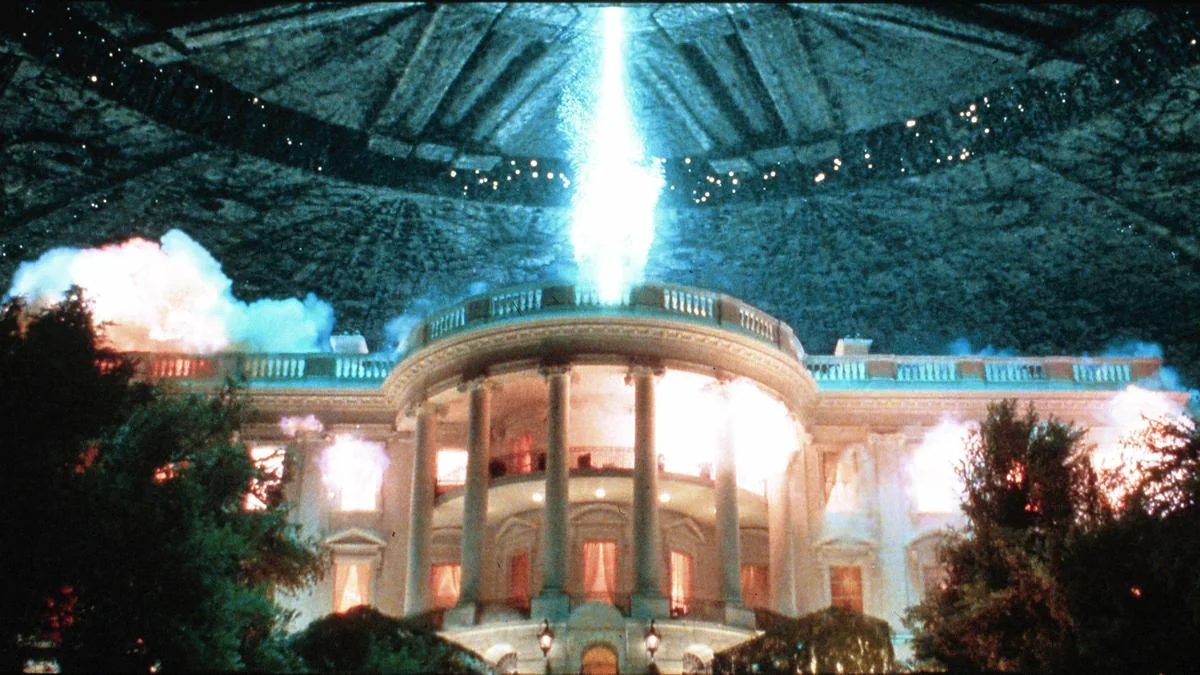
- Independence Day (1996) featured the White House being blown up by a spaceship.
- Recent renovations to the White House under Donald Trump included demolition of parts of the building that have stood since 1902.
- The destruction of the White House is seen in various films such as Captain America: Brave New World, Civil War, Olympus Has Fallen, and more.
White House Demolition on Screen
The iconic American landmark has long been a favorite setting for cinematic destruction. In the 1996 film Independence Day, director Roland Emmerich and screenwriter Dean Devlin depicted a scene where the White House was destroyed by a spaceship hovering above it, leaving a powerful visual impact that resonated with audiences.
Fast forward to recent times, President Donald Trump’s plans to renovate parts of the White House led to the demolition of its East Wing in 2015. This renovation included the installation of a 1,000-capacity ballroom, but the symbolism was not lost on many viewers who saw parallels with cinematic depictions. The destruction scenes in films such as Independence Day, Captain America: Brave New World, and others have embedded a cultural consciousness of the White House’s vulnerability to fictional disasters.
The Symbolic Power of Destruction Scenes
Destruction scenes in movies like Independence Day are not just about entertainment; they serve as powerful symbols. In 1996, during a test screening at the White House itself, President Bill Clinton famously stayed seated and went to the bathroom instead of fleeing in fear. This moment underscored the visceral impact such scenes can have on viewers.
Similarly, scenes in films like Civil War, where the White House is used as a strategic location during a fictional siege, highlight the building’s symbolic importance. The exterior of the White House remains largely intact in these movies, but the interior becomes a battleground for revolutionary forces.
Historical Context and Future Implications
The destruction of the White House has been portrayed not only as an action sequence but also as a commentary on power dynamics and national security. Films such as Olympus Has Fallen (2013) and White House Down, where terrorists attack the building, offer a contemporary perspective on the vulnerabilities of government institutions.
The creative destruction seen in films like X-Men: Days of Future Past with Magneto rips the White House bunker out, adds an element of superhero fantasy to the real-world context. These depictions not only entertain but also reflect broader anxieties and political tensions.
Conclusion
The repeated depiction of the White House’s destruction in films underscores its enduring significance as a symbol of American power and identity. As the building continues to undergo renovations, these cinematic representations will likely continue to shape public perceptions and discussions about national security and governmental authority.