Key Highlights
- The series “Task” explores the theme of what it means to be a good person and offers a hopeful answer despite its bleak narrative.
- The characters in “Task,” including Robbie, Tom, and Anthony Grasso, are trying to find redemption through quiet conversations and moral deliberation.
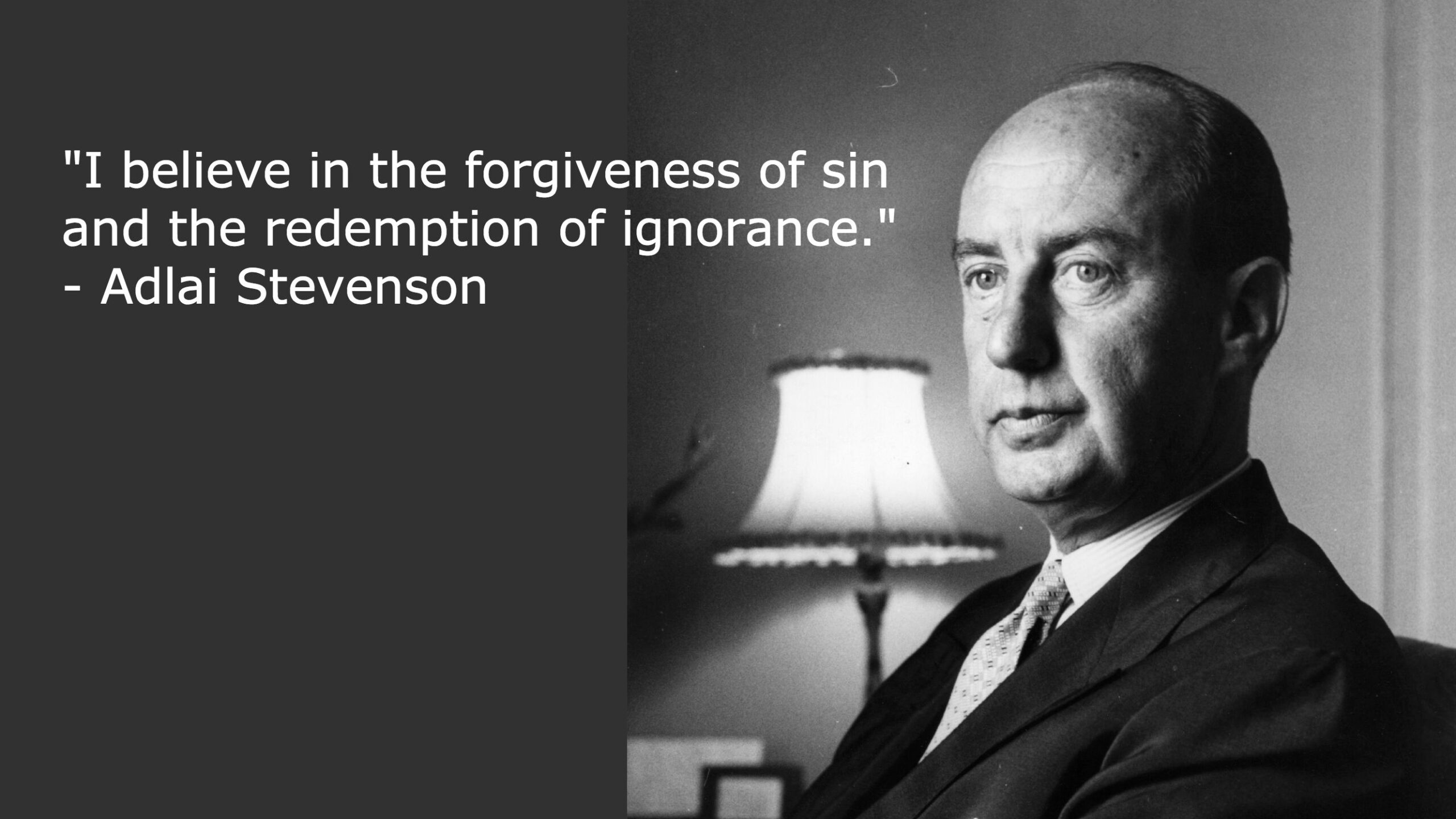
- Themes of forgiveness and the turning point where one loses their goodness are central to the show’s exploration of moral life.
- Although “Task” may not have attracted as much attention as “Mare of Easttown,” it offers a quieter, more meditative approach that elevates its storytelling through nuanced character development.
The Quest for Redemption and Forgiveness in “Task”
Set against the backdrop of biker gangs and vernal Pennsylvania hunting grounds, HBO’s series “Task” delves into complex themes of redemption and forgiveness. Despite its unrelenting bleakness, the show offers a more hopeful answer to the question of what makes a good person.
Central Themes and Characters
The central theme of “Task” revolves around the moral deliberation of its characters, particularly Robbie Prendergrast (played by James Norton), Tom Brandis (Tom Pelphrey), and Anthony Grasso (Giancarlo Esposito). These men grapple with their past mistakes and the loss of their humanity. They seek to find a way to do the right thing even as they are mired in their wrongdoings.
Each character’s journey is marked by internal moral conflicts.
For instance, Robbie burgles drug houses both for revenge and to preserve his family, while Grasso trades secrets with Dark Hearts because the money supports his sister and her kids. These characters’ actions create set pieces that are thrilling yet ultimately serve as a backdrop for their quest towards redemption.
Quiet Conversations and Moral Deliberation
The quiet conversations between these characters are crucial to “Task’s” storytelling. In Episode 5, Tom encourages Robbie and Grasso to turn back from the paths they’re on, while in Episode 6, he speaks with Grasso about their sins and forgiveness. These dialogues reveal a deeper understanding of each other and lay the groundwork for bonds that protect Maeve and his kids.
In the finale, “A Still Small Voice,” Tom discusses family adoption with Father Daniel, urging him to do what’s best for Sam Nance instead of himself. This conversation highlights the show’s exploration of moral choices and how they affect not just individuals but also the younger generations around them.
Conclusion
A More Meditative Approach
“Task” may not have attracted as much attention or watercooler conversation as “Mare of Easttown,” but its quieter, more meditative approach elevates its storytelling. The show delves into complex themes of redemption and forgiveness, offering a nuanced exploration of the moral life.
Although Robbie dies along the way, Grasso gets some sense of faith back, and Tom still doesn’t have his wife, these characters’ moments of connection and forgiveness make their lives less bleak. They acknowledge their own brokenness but step in for younger people, providing hope that they won’t be stuck with the same bad choices.
The complicated sense of morality in “Task” is what elevates it from a good show to a great one, making it a must-watch for those interested in exploring the deeper meanings of life and redemption.