Key Highlights
- RJ Young highlights the consistent success of Ohio State since 1968.
- Ohio State has been led by coaches like Urban Meyer and Ryan Day who maintain high win records.
- The article discusses how Ohio State has navigated player transfers and administrative challenges to stay competitive.
- Young contrasts Ohio State’s approach with other programs that have struggled due to a lack of patience and immediate results.
The Ohio State Blueprint: Consistency Through Patience
The Ohio State Buckeyes are often cited as the gold standard in college football, thanks to their unwavering commitment to long-term success. Since expanding their season to 10 games in 1968, Ohio State has demonstrated remarkable consistency, winning eight or more games every year except six times: 1971, 1978 (Woody Hayes’ final season), 1987 (Earle Bruce’s last), 1988 (John Cooper’s first), 2001 (Jim Tressel’s first) and 2011 (Luke Fickell’s only). This record stands as a testament to the program’s enduring strength.
Urban Meyer: A Legacy of Excellence
The legacy of Urban Meyer, who coached Ohio State from 2012 to 2015 and again from 2018 to 2020, is one of unbridled success. During his tenure, Meyer compiled an impressive 83-9 record, never falling below 10 wins in any season. His ability to navigate the complexities of college football coaching and maintain high performance levels has set a standard for future coaches at Ohio State.
Ryan Day: Continuing the Tradition
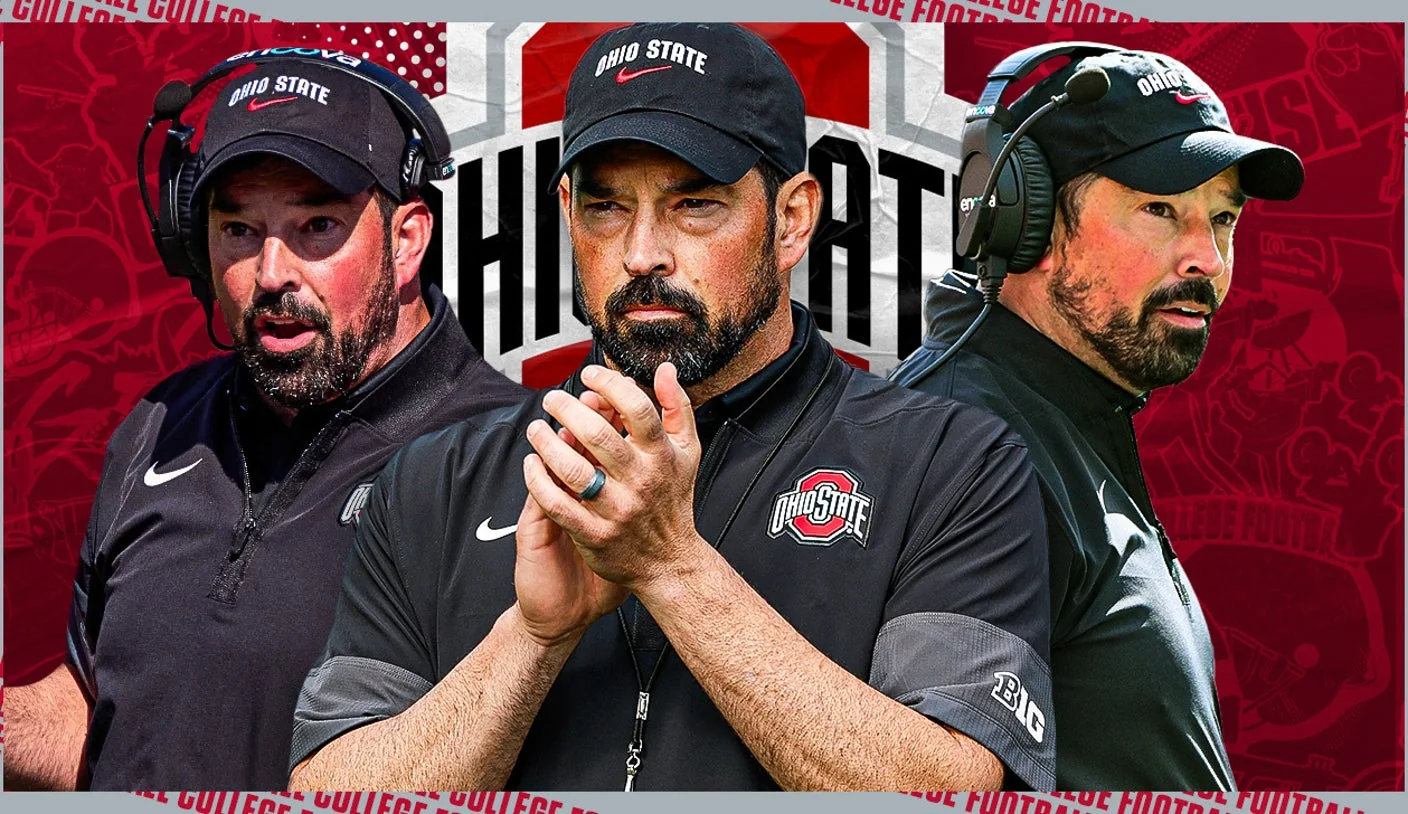
Ryan Day took over as head coach in 2019, inheriting a program that was already well-established. Since then, he has compiled a 77-10 record, showcasing his ability to maintain high standards and adapt to the rapidly changing landscape of college football. Day’s approach emphasizes patience and long-term planning, which aligns with Ohio State’s historical success.
Navigating Uncertainty
Ohio State has shown remarkable resilience in navigating the uncertainties brought on by the transfer portal and administrative challenges. The program consistently retains key talent and attracts top players, giving it a significant edge over many of its rivals. For instance, Ohio State’s ability to form player collectives and pay them directly for NIL opportunities (Name, Image, Likeness) has set a precedent that other programs are still trying to match.
Lessons from Other Programs
The article draws comparisons between Ohio State and programs like Penn State, LSU, and Florida, which have struggled due to an inability to maintain patience. These institutions have often found themselves on the chopping block after just a few years of underperformance or perceived mediocrity. The contrast highlights how Ohio State’s approach is not only about immediate results but also about building for the long term.
The Future of College Football
Young concludes by emphasizing that while college football increasingly values winning in the short term, programs like Ohio State provide a counterpoint to this trend. Their success lies in their ability to build and maintain a strong program through consistent effort and strategic planning, demonstrating that true excellence takes time.
In summary, Ohio State’s blueprint for success is rooted in patience and long-term vision. As college football continues to evolve, the Buckeyes stand as an example of how to navigate the challenges while maintaining a winning record year after year.