Key Highlights
- HBO’s new adaptation of “It: Welcome to Derry” signals a shift in the entertainment industry.
- The series reflects a broader trend of combining high and low sensibilities in television production.
- This change is attributed partly to Game of Thrones, which blurred lines between prestige and genre fare.
- There are concerns that this trend might reduce room for great original programming.
The Shift in Television Production: From Prestige to Genre-Fused Content
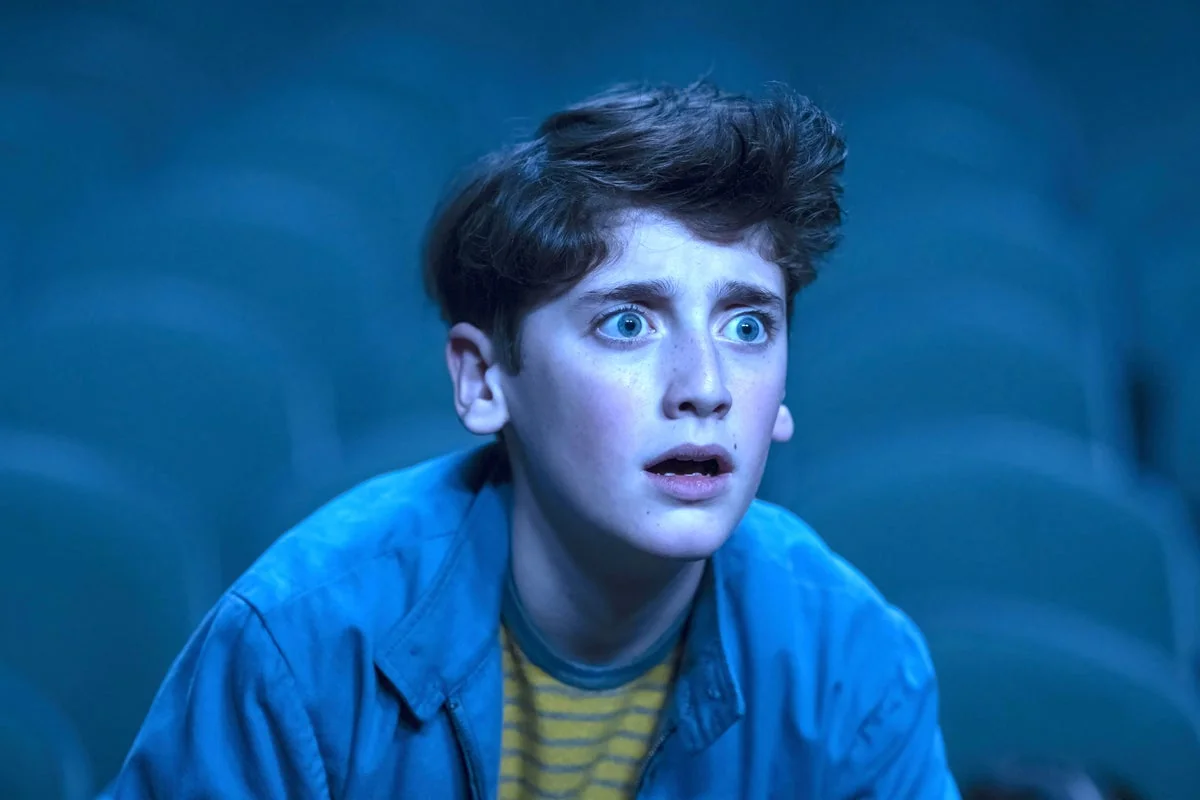
HBO’s new Stephen King adaptation, “It: Welcome to Derry,” marks a significant shift within the entertainment landscape. The series is part of a broader trend that blends high and low sensibilities, marking a departure from what was once a clear division between “genre” shows and more sophisticated “prestige” television.
Straddling High and Low Sensibilities
According to Louis Chilton’s review in The Independent, “Welcome to Derry” epitomizes this new breed of television. It combines the production value and creative veneer of prestige TV with the schlock and excess of pulp entertainment. For instance, within minutes of the first episode, viewers are treated to a horrifying set piece where a woman gives birth to a bat-like demon—this detail is significant in highlighting the series’ willingness to blend serious themes with visceral thrills.
The Impact of “Game of Thrones”
Chilton attributes much of this shift to the massive success and cultural impact of “Game of Thrones.” The show proved that critics would embrace a violent high fantasy series if it was glossy, adult, and relatively artful. It showed that such programming could be phenomenally popular with audiences, transcending genre boundaries. While “Welcome to Derry” is unlikely to achieve the same level of success as “Game of Thrones,” it will likely find an audience due to its watchability and connection to the original “It” film.
Implications for Original Programming
The broader pivot towards series like “It: Welcome to Derry” or other adaptations of pre-existing IP, such as “The Penguin” and “Peacemaker,” raises concerns about future original programming. There is a worry that the industry may focus more on established franchises rather than fostering new, innovative content. As Jack Molloy Legault points out in his review, the question isn’t whether the TV industry can make shows like these; it’s whether they want to.
The review suggests a potential identity crisis at HBO, which once stood as the global nexus of prestige television.
With its streaming service combining with Warner Bros’s Discovery+ and launching controversial adaptations, fans have responded with campaigns calling for “Bring Back HBO.” This reflects a broader sentiment that such changes may dilute the quality and cultural impact of original programming.
As viewers, we find ourselves in an era where the distinction between high and low entertainment is increasingly blurred. While this shift opens new creative possibilities, it also poses challenges to maintaining the quality and diversity of content that defined the “Golden Age” of television. Whether this trend will continue or if there’s a push back remains to be seen.