Key Highlights
- The government wants 6ix9ine to face three to nine months in prison for violating his supervised release.
- Prosecutors argue that leniency given to cooperators must not be taken as a green-light to recidivate.
- 6ix9ine’s attorney pleads for house arrest, citing the rapper’s isolated living conditions and health concerns.
- The probation office in Florida has essentially given up on correcting 6ix9ine’s behavior.
Rapper Faces Jail Time Again
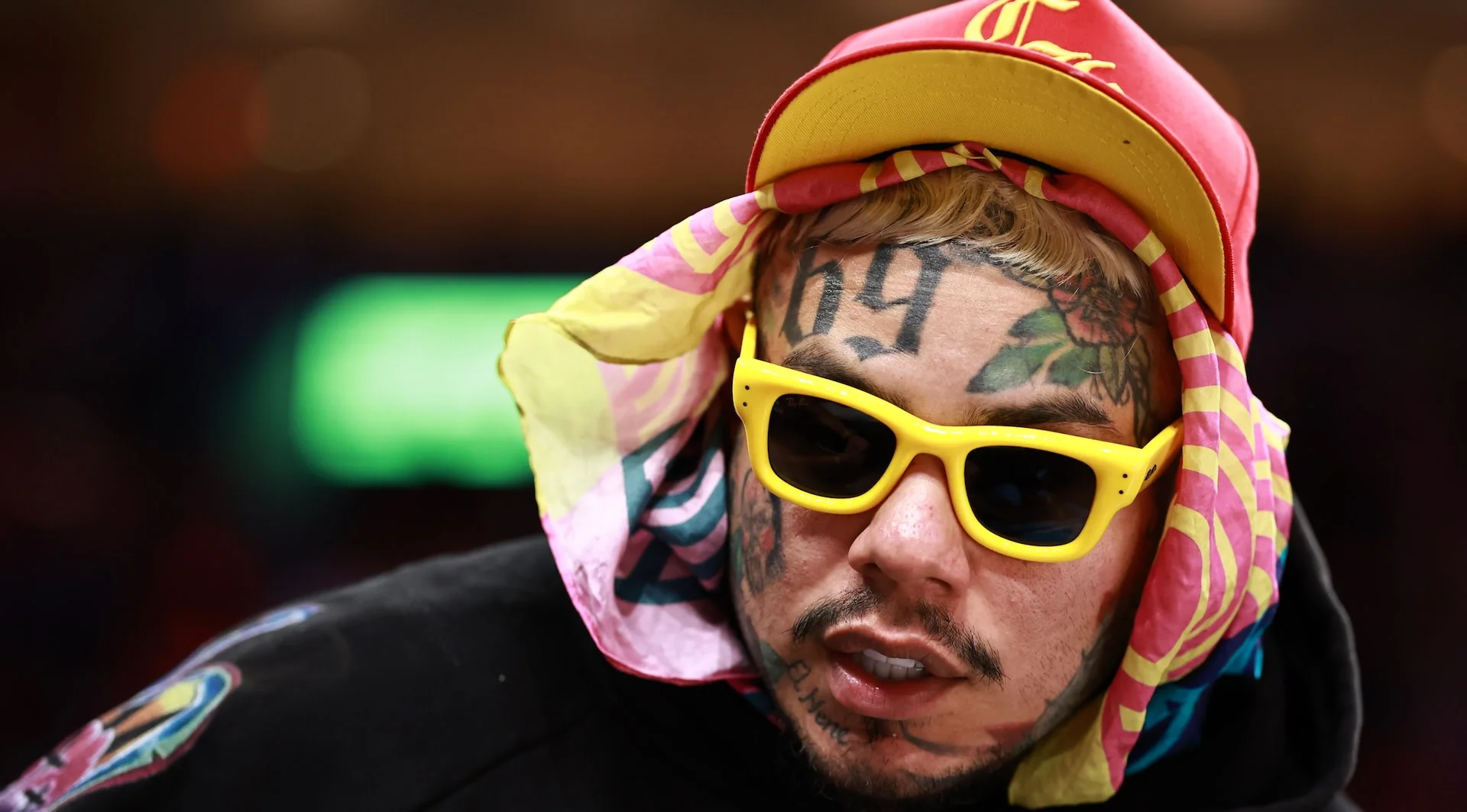
In a recent development that has reignited discussions about leniency for cooperators, the federal government is recommending three to nine months in prison for 6ix9ine. The rapper, whose real name is Kayshawn “Tekashi” Hernandez, had violated his supervised release by possessing cocaine and MDMA, as well as assaulting someone inside a Florida shopping mall.
Previous Violation and Current Case
The latest violation occurred after 6ix9ine was previously sentenced for possessing MDMA and cocaine. During that sentencing hearing, the court warned him that any “violence of any sort” would be considered a “grave breach of trust,” warranting a return to prison.
Government’s Stance
In their letter to Judge Paul Engelmayer, prosecutors argue that leniency given to cooperators like 6ix9ine must not be seen as an invitation to break the law. “Though we find no joy in seeking a prison sentence for a former cooperator,” wrote government prosecutors, “we are also mindful of the need to send a message.” The letter stresses that such behavior could undermine the trust between the rapper and the justice system.
Attorney’s Plea
In contrast to the prosecution’s stance, 6ix9ine’s attorney Lance Lazzaro has requested house arrest for his client. Lazzaro noted, “Due to Mr. Hernandez’s classification, he always serves his jail time segregated and fully isolated from other inmates.” He further highlighted the rapper’s limited social interaction and lack of outdoor exercise, emphasizing that “extremely limited social interaction with other inmates” and “very little time outside” are significant concerns.
Probation Office’s Stand
The probation office in Florida has reportedly given up on correcting 6ix9ine’s behavior. Their recommendation is for a three-month term of home confinement, followed by freedom from supervision. The letter states that the department “has exhausted all efforts and resources to correct Mr. Hernandez’s behavior.” However, prosecutors disagree, arguing that such leniency would send a bad message.
Future Implications
This case highlights the ongoing debate about the treatment of cooperators in legal proceedings. While 6ix9ine’s situation is unique, it raises broader questions about the balance between leniency and rehabilitation versus stricter enforcement to maintain public trust in the justice system.
The outcome of this case will not only determine the fate of one rapper but could also set a precedent for how cooperators are treated moving forward. As legal experts analyze the case, many eyes remain on Judge Engelmayer’s decision, which is expected to provide insight into this complex issue.