Key Highlights
- Jeffrey Epstein’s emails reveal his close relationships with powerful figures from politics, finance, academia, and beyond.
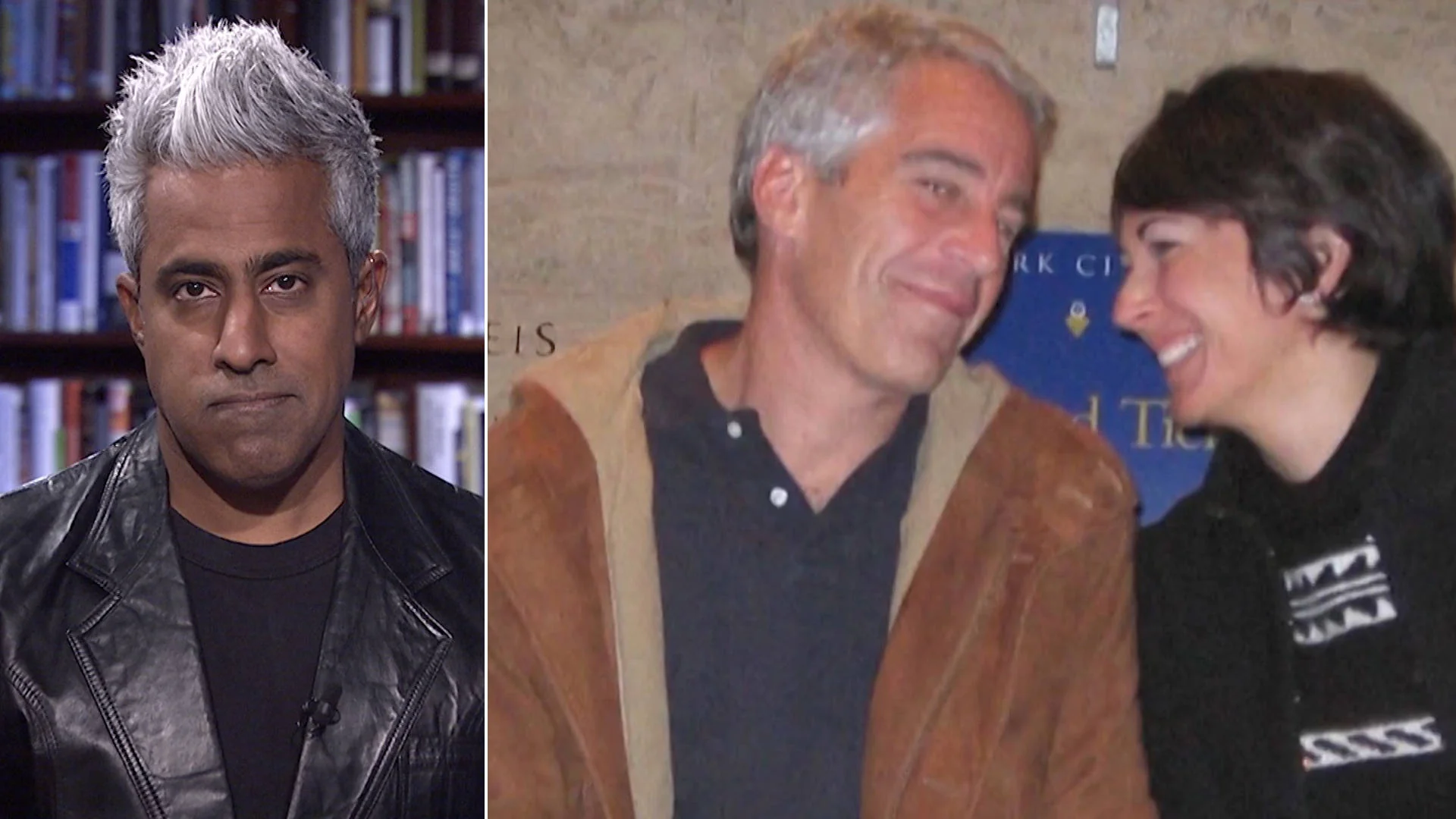
- Anand Giridharadas discusses the “Epstein Class” in a piece for The New York Times, highlighting how the elite network disregarded his crimes.
- The release of House Oversight Committee files shows Epstein’s chosen social network within American power circles, capable of looking away from abuse and suffering.
- Political figures like Larry Summers and Steve Bannon were found to consort with Epstein, despite their high-profile positions.
The “Epstein Class”: A Network of Power and Disregard
Nearly 30 years of reporting by Democracy Now! has shed light on the silenced majority fighting for various causes. The latest story, however, takes a darker turn with the release of thousands of emails from Jeffrey Epstein’s estate.
Revealing a Web of Connections
In his recent piece for The New York Times, Anand Giridharadas delves into the network of powerful individuals who surrounded Epstein. These connections span across various sectors including politics, finance, academia, and beyond. The emails, released by the House Oversight Committee, provide an unprecedented look at how Epstein navigated these circles to maintain his social standing.
The Elite’s Ability to Look Away
Giridharadas argues that this network of powerful people is characterized by their ability to ignore or overlook abuse and suffering. This group, dubbed the “Epstein Class,” includes well-known figures like Larry Summers, former U.S. treasury secretary, and Steve Bannon, a key strategist for President Donald Trump. These individuals, despite their high-profile positions, were willing to consort with Epstein, who was a convicted sex offender.
For instance, Summers is noted in the emails as seeking dating advice from Epstein, while his wife corresponded with the financier about contacting Woody Allen. This juxtaposition of seemingly ethical public figures and their association with a man accused of trafficking underage girls highlights the complex web of connections within the elite network.
A Call to Question Power Structures
The emails reveal that these powerful individuals often look away from other forms of abuse, whether economic crises they helped cause or wars they supported. Giridharadas argues that this group’s ability to ignore pain is a reflection of their loyalty not to specific communities but to each other.
One striking example involves Kathryn Ruemmler, who was once White House counsel for Barack Obama and later joined Goldman Sachs. The emails show her consulting Epstein on whether she should accept the attorney general position.
Such connections underscore how these powerful figures maintain relationships that transcend traditional power structures.
Giridharadas concludes by emphasizing the need to question the integrity of such networks, especially in positions of influence over economic and social policies. He suggests that this elite class, with its ability to look away from suffering, may be more damaging than any one individual’s actions could be alone.
As we continue to grapple with the implications of these revelations, it is crucial to consider how such networks operate and their impact on society. Democracy Now! encourages readers to support independent media through Giving NewsDay, where donations today will be tripled to ensure continued hard-hitting reporting.
Democracy Now! remains committed to bringing you the truth, unfiltered by powerful interests.
Your support is essential in keeping our mission alive. Please donate today so we can continue to bring you this vital information.