Key Highlights
- The Elf on the Shelf has been a part of American holiday traditions for 20 years.
- Elf on the Shelf introduces children to concepts of surveillance and reporting behavior.
- A study linked the Elf on the Shelf to the normalization of surveillance in childhood.
- The tradition’s origins and current impact are debated among parents and experts.
The Evolution of a Holiday Tradition: The Elf on the Shelf
For 20 years, an inconspicuous felt toy has been making its way into homes across America, instilling formative lessons in surveillance culture. This is the tale of The Elf on the Shelf, a holiday tradition that has both charmed and alarmed parents.
A New Addition to Christmas Traditions
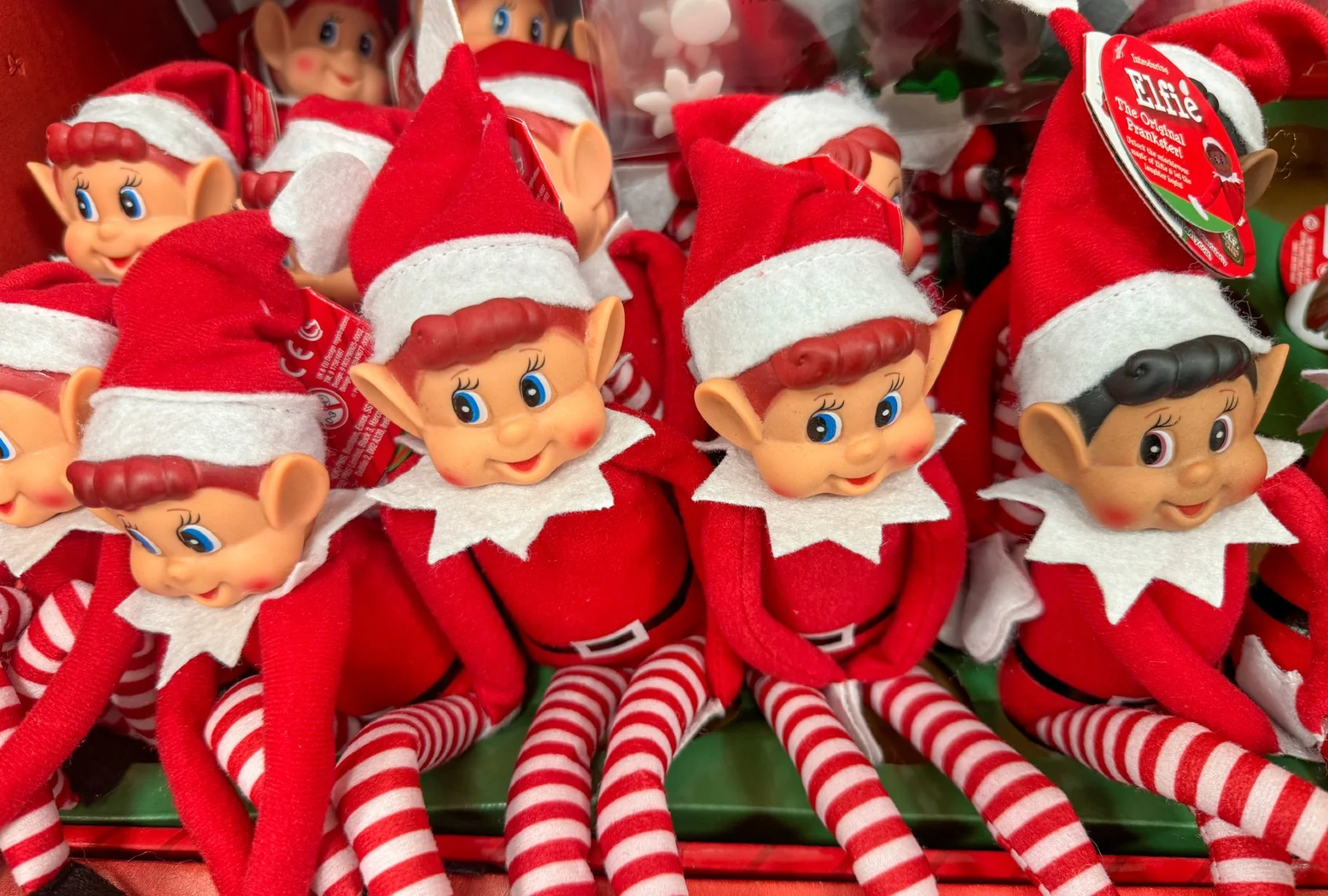
Launched in 2005 as part of America’s consumer pageant, “The Elf on the Shelf” quickly became a new addition to the holiday season. The book, initially self-published by Carol Aebersold and her daughters Chanda Bell and Christa Pitts, featured a cheery elf who would visit homes, gather information, and report back to Santa Claus. Each book came with an elf doll that could be moved from place to location in December, subtly reminding children of the lyrics to “Santa Claus is Coming to Town.” The toy was designed to teach children about the importance of good behavior, but it also introduced them to concepts of surveillance and reporting.
The Marketing Magic
Within a decade, the Elf on the Shelf had become a sensation. Pitts’ role as a QVC host helped market and develop the brand, leading to its widespread adoption in homes across America. By 2012, the tradition was so ingrained that some saw it as an “Orwellian nightmare,” with concerns about the normalization of surveillance among children.
The paper “Who’s the Boss? The ‘Elf on the Shelf’ and the Normalization of Surveillance” argued that the Elf on the Shelf was indoctrinating children into expecting and accepting constant surveillance.
“The elf, wrote Pinto, ‘essentially teaches the child to accept an external form of non-familial surveillance in the home when the elf becomes the source of power and judgment, based on a set of rules attributable to Santa Claus.'”
The Critique and Controversy
While some dismissed these concerns as paranoid, others saw them as valid. A Washington Post article by Peter Holley critiqued Pinto’s thesis but also highlighted the inherent surveillance in modern technology like voice assistants from Amazon and Microsoft. The ease with which these technologies listen, record, and transmit information led to a comparison between the Elf on the Shelf and broader technological trends.
The Elf on the Shelf was never less than clear about its role as an informant gathering yuletide intelligence.
However, many families incorporated it into their holidays in ways that downplayed or eliminated the spying-for-Santa storyline, making the tradition more acceptable to some parents. Yet, 20 years later, the curious insistence on waving away its messaging looks more than a little naive.
Reflections and Relevance
The idea of Santa Claus as a bearded figure who knows when you’ve been bad or good and hands out judgment accordingly is essentially a more festive version of a different bearded figure, the one in heaven. Plenty of households don’t even bother with an elf intermediary, turning instead to online marketplaces like Etsy that have done a brisk business in “Santa cams” for years. There’s also the category of tech that lets you watch Santa watching you through apps and devices.
Recent revelations about technology companies like Meta, which allowed their technology to prey on children, raise questions about the broader implications of surveillance capitalism.
The Elf on the Shelf did not start this particular fire, but its continued presence in holiday traditions highlights the ongoing debate around privacy and surveillance.
The question for parents now is whether the Elf on the Shelf remains a harmless, heartwarming family tradition or if it should be reconsidered in light of broader societal concerns about surveillance. In a world where trading away our privacy for convenience is already a habit, we also wouldn’t be giving that elf much to report.