Key Highlights
- The second match in the 2025-26 Ashes series will feature a pink-ball Test for only the 25th time in its history.
- Red and white balls are used to distinguish between multi-day and one-day cricket, respectively.
- Australia has won 13 out of 14 previous pink-ball Tests since they were introduced a decade ago.
- The pink ball’s behavior under floodlights is more difficult for batsmen to track due to visibility issues in the twilight phase.
The Ashes Enter the Twilight Zone: Pink-Ball Cricket Explained
Cricket, a sport deeply rooted in tradition, has always been about more than just the game itself. It’s about the unique challenges and innovations that keep fans engaged year after year. This November, as Australia and England face off at Brisbane’s Gabba for the second match of their 2025-26 Ashes series, they will do so with a pink ball—a rarity in Test cricket that marks another step into the modern era.
A Pink Ball in the Ashes
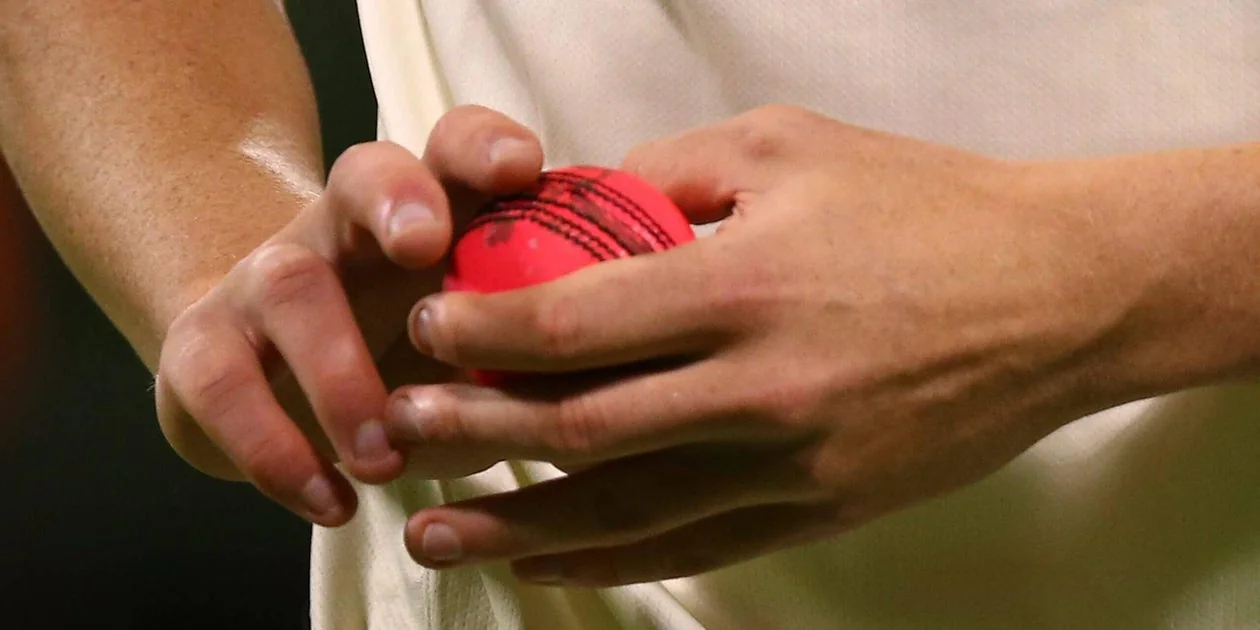
The pink ball was introduced to make multi-day Tests playable during nighttime. The 2025-26 Ashes series marks only the 25th such match in its 148-year history, highlighting just how rare and significant this format is. Unlike the traditional red balls used for Test cricket or white balls for one-day internationals, pink balls are designed with a thin spray coat of paint before finishing them with a thicker lacquer.
While the difference in color might seem trivial, it’s the subtle changes in manufacturing and behavior that make these pink balls unique. Manufacturers like Kookaburra, Dukes, and SG have perfected this process to ensure each ball behaves slightly differently from its red and white counterparts, adding another layer of unpredictability for bowlers and batsmen alike.
Challenges and Strategies
The transition from day to twilight poses significant challenges for players. The pink ball’s visibility in the low-light conditions can be a double-edged sword. England’s Joe Root, one of cricket’s greatest run scorers, recently commented, “It’s a bit of a lottery.” He noted that while the pink ball has not darkened as quickly during previous Tests, here in Brisbane it will be under floodlights for half a day.
The twilight phase brings its own set of challenges.
Batsmen must adapt to tracking a light object on a dark background, leading to increased reaction times and potential mistakes. Former England captain Alastair Cook highlighted this issue: “When the floodlights shine off the pink leather, it makes it harder to see the seam.” This visibility problem can be exacerbated by the black seam now used on the pink ball, which helps batsmen track the ball better.
Day-Night Tests and Historical Context
Australia has a formidable record in day-night Tests. Out of 14 matches played since the format was introduced, they have won 13. However, there are exceptions.
In January 2024, Guyanese fast bowler Shamar Joseph took seven second-innings wickets to lead West Indies to an improbable victory at the Gabba.
England, on the other hand, has struggled with day-night Tests. They have won only two and lost five out of their seven matches. This makes the upcoming Test against Australia particularly crucial for England.
The pink ball’s behavior under floodlights adds another dynamic to the game, potentially influencing tactics and strategies.
Former England fast bowler Stuart Broad observed that the toss becomes disproportionately important in these matches. With 62.5% of pink-ball Tests won by the team batting first, compared to 49% for red-ball Tests over the same period, the initial decision can significantly impact the game’s outcome.
Conclusion
The Ashes series at Brisbane’s Gabba will see a return to this unique format. The pink ball adds an exciting layer of unpredictability and challenges for both bowlers and batsmen. As the match unfolds, fans will witness how these players adapt to the twilight zone. Whether it leads to innovation or simply adds another dimension to one of cricket’s most historic rivalries remains to be seen.