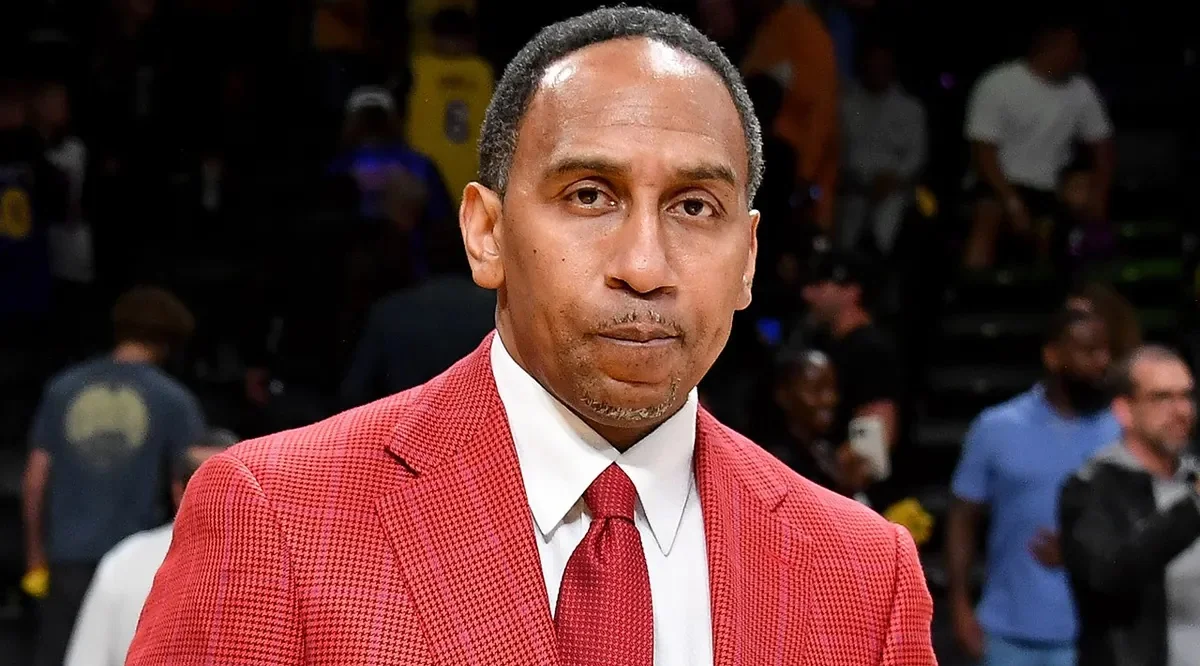
Key Highlights
- Stephen A. Smith apologized for criticizing Rep. Jasmine Crockett’s use of “street verbiage.”
- The apology came after a backlash from social media users and calls to remove him from his media roles.
- Smith acknowledged the impact of former President Trump’s rhetoric on public discourse.
- This incident highlights tensions in political commentary, especially regarding race and gender.
Stephen A. Smith’s Apology: A Turn in Political Commentary?
In a significant moment for political discourse, media analyst Stephen A. Smith has issued an apology to Rep. Jasmine Crockett (D-Texas) after previously criticizing her use of language deemed “street verbiage.”
Context and Backlash
The controversy stemmed from comments made by Smith in February 2025, where he described Crockett’s criticism of Republicans as a form of “rhetoric for the streets.” This phrasing sparked immediate backlash on social media, with many calling for his removal from several prominent media roles, including a SiriusXM radio show and ESPN’s morning talk program “First Take.”
Apology and Acknowledgment
In response to the criticism, Smith made his apology during an episode of his SiriusXM show on October 23, 2025. He acknowledged that his language was inappropriate and harmful, particularly in light of former President Donald Trump’s rhetoric.
“I get it now, with Trump feeding into that nonsense, giving him fodder or ammunition, to continue to go out there and talk about our Black women that way. I got it.
I don’t like that at all. I don’t want to be associated with nothing like that, and I apologize because I respect the hell out of Jasmine Crockett and what she has accomplished,” said Smith.
Smith’s apology also highlighted his recognition of how such language can perpetuate harmful narratives about marginalized communities, especially women.
Implications for Political Commentary
This incident underscores the ongoing challenges in political commentary, particularly when it comes to issues of race and gender. It demonstrates the sensitivity required in media discourse and the potential impact of words on public perception and policy discussions.
The case also raises questions about the responsibility of media figures to consider their language carefully and avoid rhetoric that could be perceived as dismissive or harmful. As political discourse continues to evolve, such incidents may become more common, prompting a deeper examination of how journalists and commentators frame issues related to race and identity.
Conclusion
The apology by Stephen A. Smith represents both an acknowledgment of the harm caused by his earlier comments and a broader recognition of the importance of responsible political commentary in today’s media landscape. As public discourse continues to navigate complex issues, such incidents serve as reminders of the need for greater sensitivity and careful consideration in how we communicate about important social and political matters.