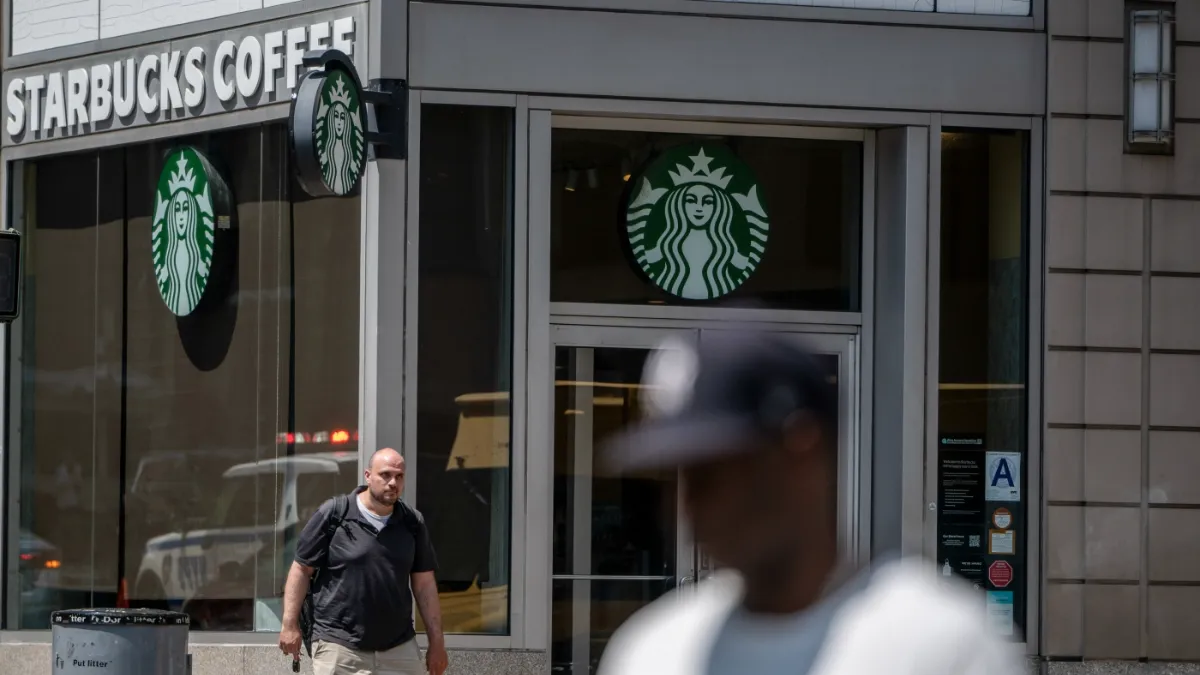
Starbucks Store Closures 2025: Over 100 North American Locations Are Shutting — Here’s What We Know (and Where)
If your neighborhood Starbucks has been a go-to “third place,” you might soon need a new spot. Starbucks has started closing over 100 North American stores—with more locations being confirmed daily as local teams post notices and store locators go dark.
The company has framed the move as part of a broader operational reset that shifts investment into higher-performing formats (think drive-thru, pick-up, and high-traffic suburban sites) while pulling back from underperforming cafés.
While Starbucks hasn’t released a single, definitive master list, multiple outlets and local reports have begun compiling the “known so far” closures, which are clustered in major metros like Los Angeles, San Francisco, New York City, Washington, D.C., Baltimore, Seattle, and pockets across Oregon, Texas, Virginia, Wisconsin, Minnesota, Massachusetts, New Jersey, New Mexico, and Montana.
Below, we summarize the best-verified locations so far, explain why this is happening now, and break down what it means for consumers, employees, and investors.
At a Glance: The Starbucks Closure Wave
- Scale: Starbucks has indicated more than 100 North American closures (≈1% of the fleet), with third-party tallies showing significantly higher counts as local confirmations roll in. Expect numbers to shift as store-locator data updates and leases wind down.
- Timing: Most notices began surfacing in late September 2025, with additional locations being confirmed by local media and employees.
- Strategy Signal: Rebalance toward speed and convenience (drive-thru, pick-up, and smaller footprints) and away from high-rent, low-throughput, or operationally constrained boxes—especially in dense urban corridors with volatile foot traffic.
- Employee Support: Reports indicate severance is being offered for affected roles, with packages scaled by tenure and position.
Where Are Starbucks Stores Closing? (Running List of Confirmed Examples)
This is a verified-examples list—not a complete master file. Many closures are still being validated by local teams and store-locator changes. We’ll highlight states/metros with clusters and include sample locations that have been reported and corroborated.
California (Greater Los Angeles & Bay Area)
Examples include addresses in Hermosa Beach, Downtown LA, Santa Monica, and San Francisco corridors (Financial District, Fisherman’s Wharf, Castro, SOMA). These tend to be high-rent urban sites with mixed post-pandemic commuter patterns.
District of Columbia (D.C.)
Multiple cafés across Downtown, U Street, Georgetown, and Capitol Hill have appeared on closure tallies as teams notify regulars and update signage.
Maryland (Baltimore & Suburbs)
Local reporters have confirmed several city-center stores and Inner Harbor–adjacent sites. Suburban Silver Spring has also surfaced.
Massachusetts (Boston–Cambridge–Somerville)
Urban storefronts near universities, residential corridors, and commuter nodes (e.g., Cambridge, Somerville) are represented in lists to date.
Minnesota (Minneapolis–St. Paul)
Multiple Minneapolis addresses and select Twin Cities suburban locations have been cited.
New Jersey (NYC Metro)
Closures are popping up in Fort Lee, Morristown, West New York, and other high-density commuter towns.
New Mexico (Santa Fe)
At least one Santa Fe plaza location has been flagged.
New York (NYC & Upstate)
A long list spans Manhattan (Midtown to the Financial District), Brooklyn, Queens, and Harlem, plus Long Island City and upstate spots like Lake Placid. These represent a diverse mix of footprints and demand drivers.
Oregon (Portland, Eugene, Medford, Coos Bay)
Several Portland urban core cafés and secondary markets across the state are included in current compilations.
Texas (Houston, San Antonio, College Station)
Metro Houston accounts for several closures, with San Antonio represented as well.
Virginia & the Wider DMV
Regional coverage suggests at least 19 DMV closures, with Northern Virginia reporting four and additional sites in Richmond, Alexandria, Virginia Beach, Lynchburg, and Martinsville.
Washington (Seattle & Puget Sound)
Select Seattle locations—including sites near the downtown corridor—plus Edmonds and Vancouver, WA have appeared on lists.
Wisconsin (Milwaukee Area, Madison, Fox Point)
A handful of suburban centers and high-traffic corridors around Milwaukee and Madison are included.
Important: Local lists continue to evolve. Some stores may relocate, convert to pick-up or licensed formats, or reopen post-remodel. Always check the in-store notice or store locator for the most current status.
Why Is Starbucks Closing These Stores Now?
1) A shift in customer behavior: speed & convenience
U.S. coffee consumption has tilted toward drive-thru and mobile order & pay, favoring formats that can deliver throughput and unit-level profitability during peaks (morning commute, school runs, weekends). Urban cafés with heavy in-store seating and limited curb access struggle to match the velocity.
2) Real estate math: rent vs. revenue
Dense, high-rent corridors depend on office worker and tourism traffic. Hybrid work and uneven downtown recovery have made lease obligations harder to justify for certain boxes—especially those with structural constraints (small back-of-house, limited bar space) that cap ticket volume at peak dayparts.
3) Portfolio optimization: invest where the unit economics win
The company is pruning underperformers to reallocate capital into remodels and format mix (drive-thru, pick-up, larger back bars, warm design updates), a strategy intended to expand operating margin and stabilize same-store sales. Reports also point to broader restructuring and cost-to-serve improvements.
What This Means for Customers
- Longer drives, shorter lines (sometimes): If your closest café is closing, you may travel farther—but surviving stores (especially drive-thru) may be better staffed for peak throughput.
- Menu availability stays: Closures don’t imply menu cuts; you should see the same cold beverages, customizations, and loyalty rewards at nearby locations.
- Watch for remodels or relocations: Some addresses will convert or move; signage often mentions the nearest alternative.
- Tip for commuters: Add a second-choice store to your morning route and save a favorite in the app to speed ordering.
What This Means for Employees
- Severance & benefits: Reports indicate Starbucks is offering severance packages scaled by role and tenure, plus short-term health coverage extensions. Employees must typically sign release agreements by specific deadlines to access benefits.
- Transfers: In markets with dense coverage, some partners may transfer to nearby stores, especially where drive-thru demand is strong.
- Upskilling: Stores that remain open and remodeled may offer different workflows (e.g., more cold-bar volume and mobile hand-off), creating opportunities for skills development and internal mobility.
Investor Angle: How Closures Can Affect the Numbers
For readers tracking consumer stocks and retail earnings, here’s how to interpret the move through a finance lens (aimed at high-CPM finance keywords):
- EPS Guidance & Margin Mix: Closing low-productivity boxes can lift operating margin and support EPS over time—particularly if capital shifts to higher-return drive-thru assets.
- Same-Store Sales vs. Store Count: Investors should separate comparable sales trends from net unit changes. A smaller base with higher average tickets and throughput can still deliver top-line quality.
- Capex & Restructuring Charges: Expect near-term one-time costs (severance, lease exits, impairments) that may pressure quarterly GAAP EPS, followed by cash flow improvements as underperforming leases roll off. Investopedia
- Commercial Real Estate Exposure: Sublease opportunities, landlord negotiations, and rent relief in soft downtown markets could moderate exit costs.
- Competitive Set: Fast-growing rivals emphasizing speed (regional drive-thru chains, boutique urban concepts) may pick up share in specific ZIP codes.
Frequently Asked Questions (FAQ)
Q1. Is my local Starbucks closing?
Check the in-store signage and the official store locator—those channels reflect the most reliable, near-term updates. Newsrooms and employees have crowdsourced many closures, but the locator is the last word for specific hours and status.
Q2. Why won’t Starbucks publish one complete list?
Retail footprints change quickly—lease expirations, permits, staffing, and relocations can shift timing. That makes a single, universal list prone to error. Instead, stores typically post notices and quietly roll off the locator as dates approach.
Q3. Are these closures permanent or temporary?
Most are permanent closures of specific addresses, though some cafés may relocate nearby or convert to a different format (e.g., pick-up). Check posted notices for the nearest open alternative.
Q4. Are there layoffs, and do employees get severance?
Yes—impacted employees may face job loss, but reports show Starbucks is offering severance scaled by role/tenure, and short-term health coverage extensions in many cases.
Q5. Should investors be worried about Starbucks’ long-term growth?
Closures alone don’t equal contraction. Starbucks has framed this as pruning low-return units to reinvest in formats with stronger unit economics and to refresh existing stores—moves that can be margin-accretive even as near-term charges flow through the P&L. Track same-store sales, traffic, and average check alongside net new units to get the full picture. Investopedia
A Closer Look at Representative Markets
New York City:
Dozens of Manhattan and Brooklyn stores appear on running tallies, often in dense corridors where office foot traffic is not fully back to pre-2020 levels. Queens and Harlem locations also feature. Expect remaining stores to lean into mobile hand-off to keep lines moving.
Los Angeles & San Francisco:
A mix of tourist-heavy zones and central business districts are represented, where high occupancy costs and uneven weekday demand can skew profitability. Suburban drive-thru sites remain the workhorses.
Washington, D.C. / Maryland / Virginia (DMV):
Multiple Downtown DC addresses, Baltimore city-center cafés, and at least four Northern Virginia stores have been identified. Commuter-dependent boxes have been under pressure amid hybrid office patterns.
Pacific Northwest:
Select Seattle urban sites—near the company’s home turf—show up in lists, signaling the pruning isn’t just coastal East Coast.
How to Navigate Closures (Consumers & Communities)
- Use the App: Save two nearby stores (your Plan A and Plan B) and check real-time hours before you head out.
- Peak-Proof Your Routine: If your original café is closing, try shifting five minutes earlier to avoid the peak queue at the next-closest drive-thru.
- Support Affected Partners: Many baristas are transferring within the network—if you see familiar faces, say hello and leave feedback in the app to help new teams calibrate staffing.
- Neighborhood Impact: Closed cafés can dent street-level foot traffic for surrounding retailers. Community groups sometimes lobby landlords for new tenants with all-day demand (bakeries, quick-serve, specialty grocers) to keep the block lively.
Editorial Note on Evolving Lists
Independent newsrooms and analysts are maintaining running lists that expand as more stores confirm last-day dates or quietly disappear from the locator. These are best-effort compilations and can lag reality by days. Treat any address you see online as “likely but pending” until you see posted signage or an official locator update.
Conclusion: A Smaller, Faster Starbucks—By Design
The 2025 closures mark a portfolio reset rather than a retreat from growth. By trimming underperforming cafés and re-weighting toward drive-thru, mobile-first, and remodeled spaces, Starbucks is betting that speed, consistency, and a warmer in-store design will support margins and stabilize comps. For customers, expect fewer but busier cafés in some corridors—and more convenience where demand is strongest. For investors, watch how the closure costs roll through the next quarters—and whether traffic, average check, and store-level margins firm up as the footprint mix improves.