Key Highlights
- A Chinese rocket launch nearly resulted in a close approach between one of its deployed satellites and a Starlink satellite.
- No coordination was performed with existing satellites before the launch, leading to a 200-meter close approach at an altitude of 560 km.
- SpaceX expressed concerns over the lack of coordination in space operations and called for better collaboration between operators.
New Concerns Raised Over Satellite Coordination
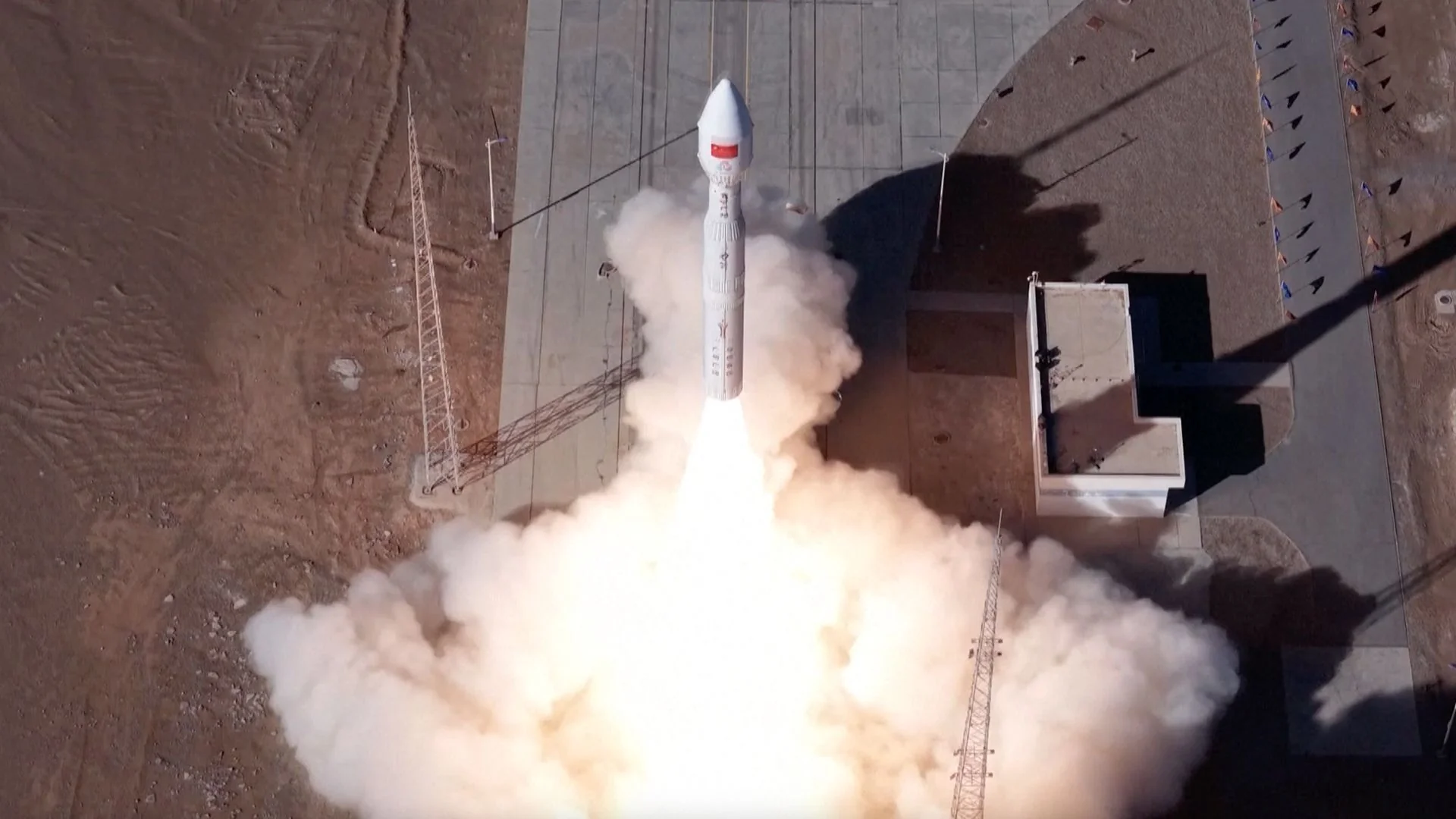
A recent launch by China’s CAS Space has raised new concerns about the coordination of satellite launches among operators. According to SpaceX, one of the nine satellites deployed from a Chinese Kinetica 1 rocket on December 9, 2025, nearly collided with a Starlink satellite.
No Coordination Before Launch
SpaceX’s Michael Nicolls shared via X that no coordination or deconfliction was performed with existing satellites operating in space. The close approach occurred between one of the deployed Kinetica 1 satellites and STARLINK-6079 (56120) at an altitude of 560 km, coming within a mere 200 meters.
Nicolls emphasized that most of the risk in space operations comes from the lack of coordination between satellite operators. He stated, “This needs to change,” highlighting the necessity for better collaboration and deconfliction measures before launches.
Response from CAS Space
In response, CAS Space acknowledged its due diligence as a launch services provider (LSP) but is currently investigating the incident. The company said that all their launches select launch windows using ground-based space awareness systems to avoid collisions with known satellites/debris, which they consider a mandatory procedure.
The Growing Crowdedness of Earth Orbit
As more and more spacecraft are launched into orbit, the risk of such incidents is becoming increasingly significant. By 2025, the number of functional satellites in orbit had grown from fewer than 3,400 in 2020 to about 13,000.
SpaceX currently operates nearly 9,300 Starlink satellites and has been at the forefront of autonomous collision avoidance measures. However, as Nicolls pointed out, even advanced systems like Starlink can be blindsided by other operators who do not share their trajectory data.
Future Implications
The incident underscores the growing need for better coordination in space operations. Michael Wall from Space.com noted that collisions could lead to a debris cascade known as Kessler syndrome, which would make it difficult or impossible to operate satellites in certain regions of Earth’s orbit.
CAS Space also highlighted the importance of re-establishing collaborations between different space ecosystems, emphasizing the need for more comprehensive coordination measures. The company stated, “This calls for re-establishing collaborations between the two New Space ecosystems,” signaling a growing recognition of the shared responsibility among satellite operators.
The incident serves as a reminder that while advancements in technology have brought about significant benefits, they also come with new challenges. As space exploration continues to expand, so too must our efforts to manage and coordinate it effectively.