Key Highlights
- The Chernobyl disaster occurred on April 26, 1986.
- Wild dogs in the area have shown genetic differences from similar populations in eastern Europe.
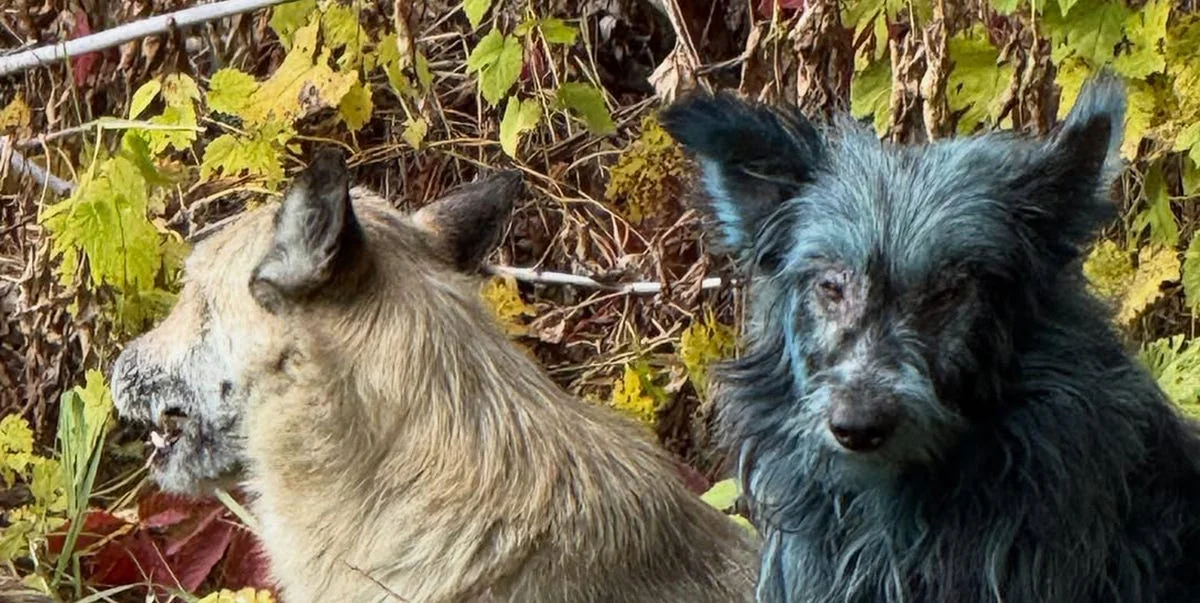
- Newspapers and scientists suggest that blue-hued dogs may be a result of rolling in porta-potty chemicals.
- The dogs are generally active and healthy despite their unusual coloring.
Chernobyl’s Unique Wildlife Experiment Continues to Yield Surprising Results
In the aftermath of the 1986 Chernobyl nuclear disaster, a unique experiment in wildlife adaptation began. The radioactive fallout from the meltdown created an unprecedented environment for scientific study, particularly concerning long-term radiation exposure and its effects on living organisms.
Genetic Divergence Among Dogs
The wild dogs around the Chernobyl Nuclear Power Plant have become a focal point of these studies due to their genetic divergence from other similar populations in eastern Europe. While the exact cause of this divergence remains uncertain, it highlights how radiation can impact DNA over generations.
Unusual Coloration: A Misleading Hunch
Recently, videos and photographs circulated online showing some dogs with a blue hue, leading to speculation about genetic changes due to prolonged exposure to radiation. However, these claims were debunked when the Clean Futures Fund, a non-profit organization working in the area, found that the dogs had simply rolled around in chemicals from leaking porta-potties.
“We are on the ground catching dogs for sterilization and we came across three dogs that were completely blue,” the group said. “The town people were asking us why the dogs were blue? We do not know the reason, but it is likely due to chemical exposure.”
The Scientific Importance of the Dogs’ Study
Despite the false alarms about genetic changes, the Chernobyl dogs continue to be a valuable subject for scientific research. They provide insights into how long-term radiation exposure affects various aspects of physiology and behavior. Studies have shown that some animals, such as barn swallows, wolves, and frogs, exhibit specific adaptations in response to radiation.
For instance, barn swallows within the Chernobyl Exclusion Zone display bent tail feathers, deformed air sacs, and misshapen beaks. Wolves in the area have shown surprising resistance to cancer, a phenomenon that researchers are keen to understand better.
A Living Laboratory: The Future of Radiation Research
The Chernobyl dogs represent more than just an interesting case study; they symbolize how nature adapts and evolves in response to extreme environmental conditions. While the area remains contaminated, it continues to offer a rare opportunity for scientists to observe and document these adaptations.
“The real test-subject mascots of the CEZ are undisputedly the stray dogs,” said Darren Orf, a contributing editor who writes about science and nature. “They have become an iconic symbol of resilience in the face of environmental adversity.”
The ongoing research into these dogs and other wildlife around Chernobyl not only deepens our understanding of radiation’s effects but also highlights the complex ways organisms can adapt to such challenging environments.