Key Highlights
- MERRIAM-WEBSTER CHOOSES “SLOP” AS 2025 WORD OF THE YEAR
- TERMS LIKE “GERRYMANDER” AND “TOUCH GRASS” ARE RUNNERS-UP
- “SLOP” DEFINES ERA OF AI-GENERATED CONTENT IN DIGITAL AGE
The Year of Slop: Defining the Era of Artificial Intelligence Content Generation
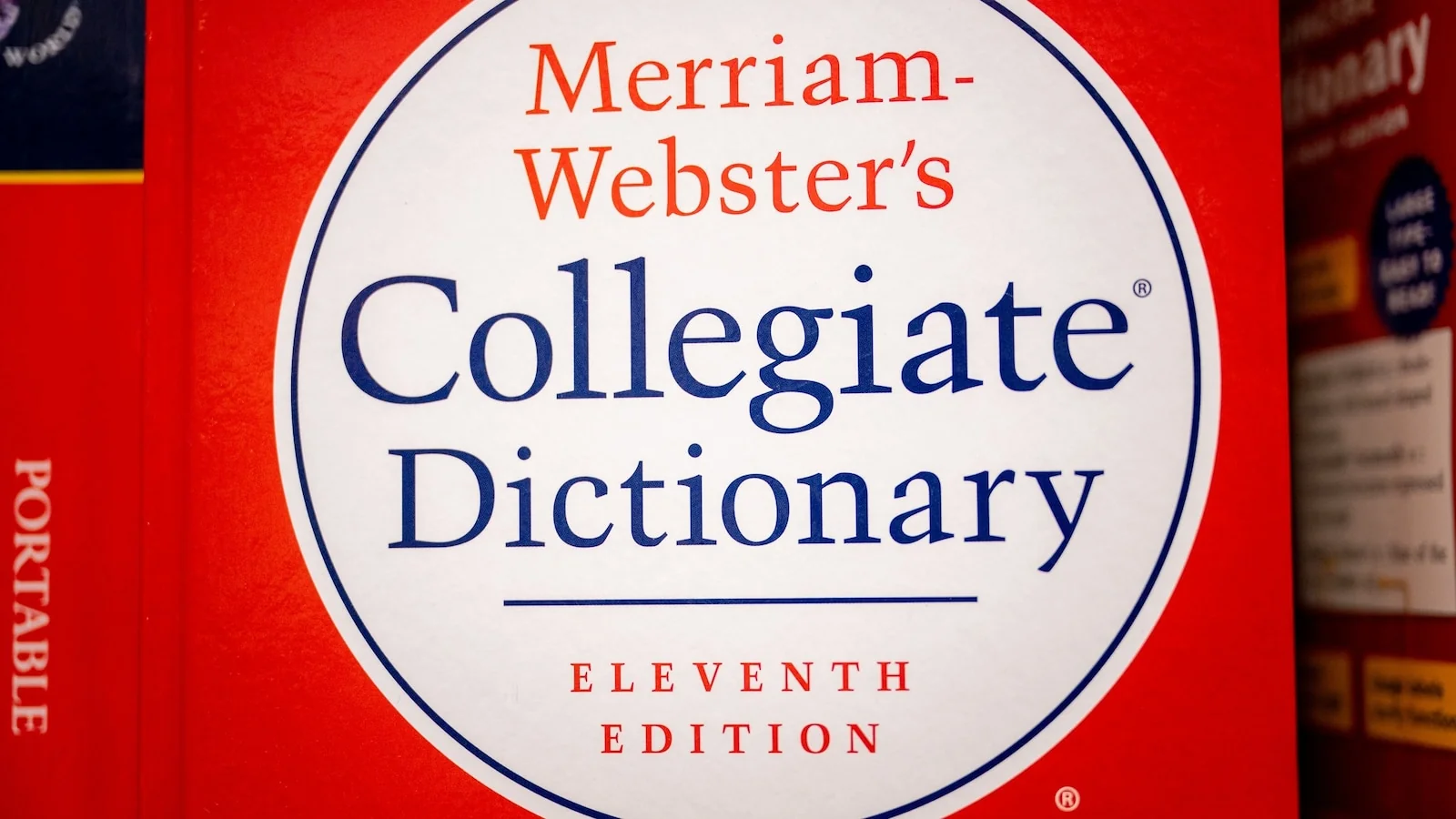
In a move that encapsulates the current digital era, Merriam-Webster has chosen “slop” as its 2025 Word of the Year. The term, defined by the dictionary as “digital content of low quality that is produced usually in quantity by means of artificial intelligence,” perfectly captures the flood of poorly crafted AI-generated content that has permeated our digital landscape.
The announcement comes amidst a growing concern about the proliferation of AI-generated content that often lacks substance and originality. According to Merriam-Webster, “the flood of slop in 2025 included absurd videos, off-kilter advertising images, cheesy propaganda, fake news that looks pretty real, junky AI-written books, ‘workslop’ reports that waste coworkers’ time… and lots of talking cats.”
The Evolution of a Term
Interestingly, the term “slop” has an interesting etymology. It originated in the 1700s to mean “soft mud” before evolving to “food waste” in the 1800s and eventually becoming colloquially known as “rubbish.” The dictionary defines it more broadly now to encompass any low-quality content produced by AI, which has become a significant issue in today’s digital world.
Merges of these two meanings—soft mud and food waste—are particularly apt given the often unrefined and sometimes garbage-like nature of much AI-generated content. This term encapsulates not only the quality but also the sheer volume of such material, which can overwhelm and frustrate consumers who expect higher standards in their digital interactions.
Runners-Up: A Showcase of Other Notable Terms
While “slop” took center stage, other terms also made Merriam-Webster’s shortlist. These include:
- Gerrymander: A term often used in political discourse to describe the practice of drawing electoral district boundaries to give one party an advantage.
- Touch Grass: An increasingly popular phrase among young people, often associated with cannabis use and casual language.
- Performative: Describes actions taken merely for appearance or show rather than genuine commitment.
- Tariff: A tax on imports or exports, which has become a hot topic in international trade negotiations.
- Six Seven: A meme and number that gained popularity through its association with the band The Strokes.
- Conclave: Refers to the meeting of cardinals to elect a new pope, used metaphorically for any secretive or exclusive gathering.
- Lake Chargoggagoggmanchauggagoggchauwanaugg: An actual lake in Webster, Massachusetts, known for its difficult-to-pronounce name, which also made the list.
These terms reflect a diverse range of linguistic and cultural phenomena that have gained prominence over the past year. While “slop” perhaps best represents the current challenges posed by AI-generated content, these other words offer insights into various facets of contemporary language use and societal trends.
A New Era in Digital Communication
The choice of “slop” as Merriam-Webster’s Word of the Year signifies a critical juncture in how we consume and produce digital content. As AI continues to advance, it is essential for consumers and creators alike to remain vigilant about the quality and authenticity of the information they encounter online.
As technology evolves, so too do our language and understanding of the world around us. Terms like “slop” serve as a reminder that while AI can be a powerful tool, it must be used responsibly to ensure that the digital content we create is both meaningful and of high quality. In an age where misinformation and low-quality content can spread rapidly, this choice underscores the importance of maintaining standards in our increasingly interconnected world.