Key Highlights
- The All Jammu and Kashmir Shia Association (AJKSA) has collaborated with the India Meteorological Department (IMD) for moon sighting.
- This marks the first formal collaboration between a Muslim religious body in the Union Territory and a scientific institution.
- The AJKSA has institutionalized a permanent Ruet-e-Hilal Committee to observe lunar crescent every Islamic month.
- The move aims to reduce dependence on external moon-sighting announcements, particularly from Pakistan and Iran.
Shia Body Embraces Scientific Validation for Moon Sighting in J&K
Two days after Ramzan commenced in parts of Jammu and Kashmir (J&K), the decision by the All Jammu and Kashmir Shia Association (AJKSA) to collaborate with the India Meteorological Department (IMD) for crescent sighting has drawn attention. This collaboration signifies a shift from cross-border reliance to local validation.
A New Era in Religious Authority
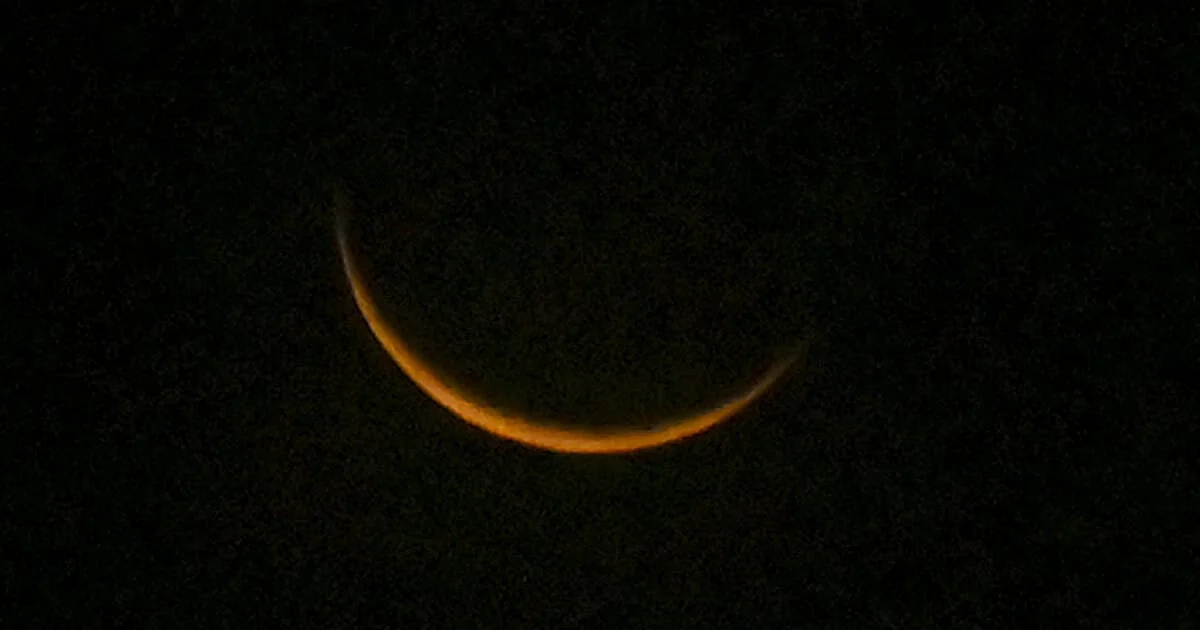
On February 18, a delegation of the Association, led by its president Imran Ansari and general secretary Abid Hussain Ansari, convened at the IMD Met Centre Srinagar to observe the Ramzan crescent. The exercise marked the first formal collaboration between a Muslim religious body in J&K and a scientific institution for moon sighting.
The Association subsequently declared February 19 as the first day of Ramzan after assessing IMD inputs and corroborating reports from Kargil and Lucknow. It emphasized that the announcement was based on verified reports from within India, even though Pakistan made its declaration later.
Institutionalizing Local Validation
The AJKSA has also institutionalized a permanent Ruet-e-Hilal Committee to observe the lunar crescent every Islamic month. By foregrounding science-based inputs while retaining clerical oversight, the Association seeks to frame the move as progressive rather than confrontational.
A Broader Shift in Religious Affairs
Observers say that by formally integrating scientific data with traditional visual sighting, the Shia body appears to be recalibrating its model. The initiative reflects a broader post-2019 trend toward local institutional assertion and procedural transparency in religious affairs.
This move is widely seen as an attempt to reduce dependence on external moon-sighting announcements, particularly from Pakistan and Iran—a practice that Kashmir has historically aligned with during Ramzan and Eid. Whether this model gains wider acceptance across sectarian lines remains uncertain.
However, beyond the immediate declaration of Ramzan, the collaboration has sparked a deeper conversation in Kashmir about religious authority, autonomy, and the evolving interface between faith and scientific institutions.
The writing on the wall is clear: traditional religious practices are increasingly being challenged by modern scientific methods. This could be seen as a step towards greater local control over religious calendars or as an unnecessary complication in an already complex region.