Key Highlights
- Director Chris Stuckmann discusses his debut feature “Shelby Oaks,” a horror movie that blends mockumentary and found footage elements.
- The film follows the disappearance of a YouTuber named Riley Brennan, with the director using YouTube’s influence to create an engaging narrative.
- Stuckmann talks about his transition from a film critic to a director and how his experience on YouTube shaped the project.
- The shocking ending of “Shelby Oaks” is described as deliberately bleak, mirroring real-life trauma and its long-lasting effects.
Chris Stuckmann’s Journey into Horror Filmmaking
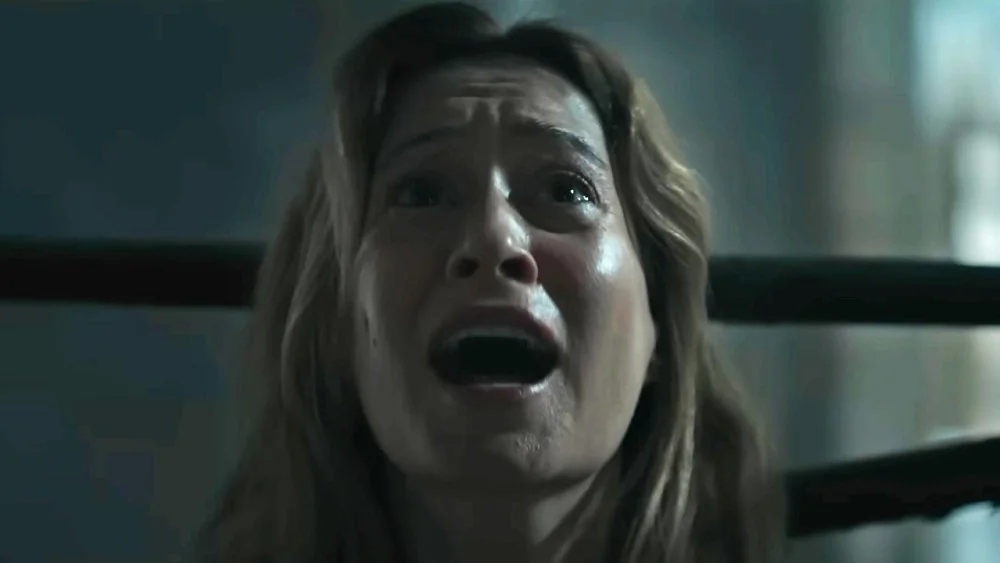
Director Chris Stuckmann made his directorial debut with the horror film “Shelby Oaks,” which recently premiered in theaters. The movie, produced by Neon, tells the story of Riley Brennan (played by Sarah Durn), a YouTuber and amateur ghost hunter who vanishes under mysterious circumstances in the remote town of Shelby Oaks.
Stuckmann’s journey from a film critic to a director reflects his deep understanding of the medium. Having started his career on YouTube, Stuckmann brings a unique perspective to filmmaking, blending elements of mockumentary and found footage horror techniques. “The Karate Kid” musical is set to launch its U.K. tour before bowing on West End and Broadway, but that news does not directly relate to the subject at hand.
Mockumentary Influence
Stuckmann explains how his experience on YouTube influenced the film’s structure: “I was trying to think of a general area in Ohio to set it in. Darke County’s name and its E made it feel artsy, fitting for a horror setting.” The director also mentions his approach to blending media, stating, “We all pop on TikTok, YouTube, TV, movies, audio books, physical books, there’s no set thing for all of us.” This reflects the contemporary consumption habits that Stuckmann aims to capture in his film.
Found Footage and Scripted Elements
“Shelby Oaks” begins as a mockumentary but transitions into a supernatural horror. “Being on YouTube since 2009, there is a phenomenon I have witnessed over the years: People like to watch people watch things,” Stuckmann says. He further elaborates on how he used old-school camcorders and microphones to create authentic-looking footage. “The internet was still kind of a remotely safe place back then,” he adds, highlighting the contrast between early YouTube culture and modern online experiences.
The Shattering Ending
When discussing the film’s conclusion, Stuckmann notes, “All of my favorite horror films tend to have an ending that sticks with you. The emotional idea behind this is that if something happens to us when we’re younger that leaves a scar or some kind of trauma, it will stick with us and fester over time.” This approach mirrors the film’s title character Riley Brennan, whose unresolved past haunts her sister Mia (Camille Sullivan).
Stuckmann’s choice to end “Shelby Oaks” on such a bleak note reflects his desire to create an emotionally impactful experience. He emphasizes that there is hidden symbolism within the final scenes: “There are so many filmmakers who started out on YouTube and are now getting Hollywood deals, like Danny and Michael Philippou.” This trend underscores the changing landscape of the entertainment industry and how digital platforms can shape future generations of creators.
Overall, “Shelby Oaks” stands as a testament to Stuckmann’s unique vision and his ability to blend traditional filmmaking techniques with contemporary media consumption habits. The film promises to be both an homage to early YouTube culture and a chilling exploration of trauma and its lasting effects.