Key Highlights
- American Airlines COO calls flight disruptions “simply unacceptable.”
- Treasury Secretary warns of potential economic slowdown due to shutdown.
- Pilot urges passengers to call their senator amid travel chaos.
- FAA bans private jet travel from major US airports to ease air traffic control pressure.
Government Shutdown and Its Impact on Air Travel
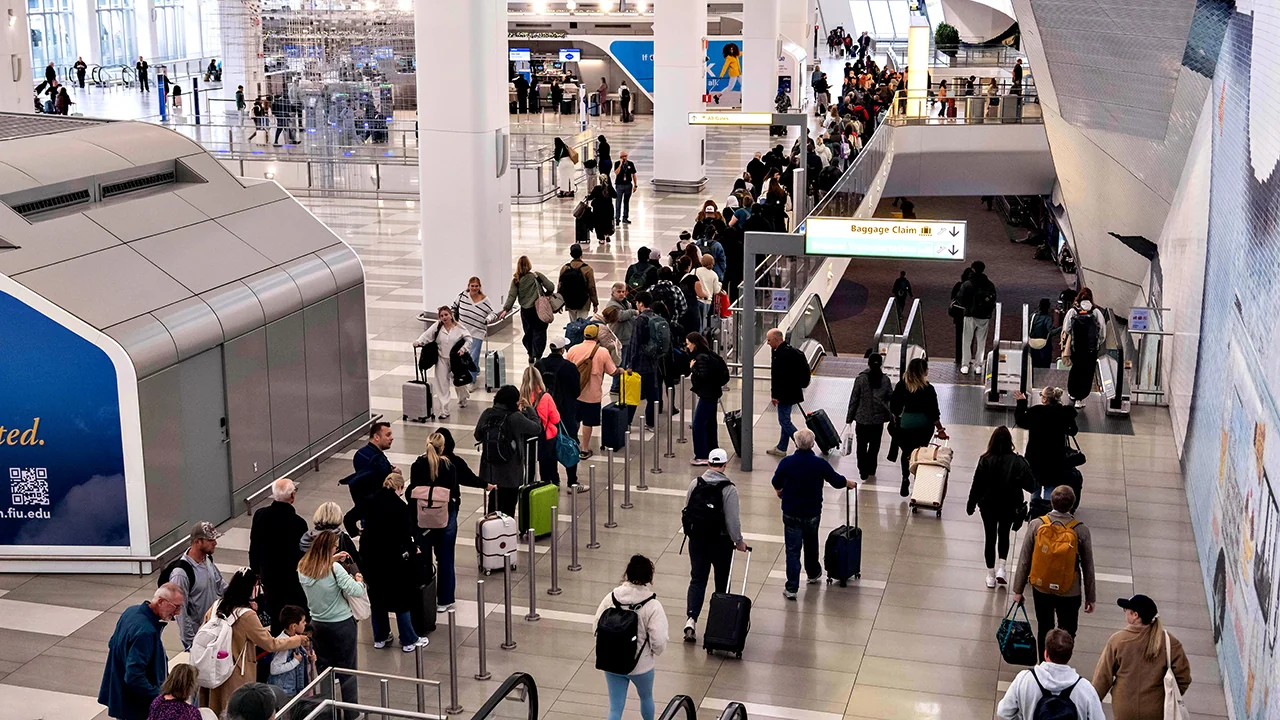
The longest government shutdown in U.S. history, which reached its 41st day, has had a profound impact on American air travel, with flight cancellations and delays becoming the norm at some of the country’s busiest airports.
Flight Disruptions and Economic Concerns
According to data from FlightAware, by late January 2024, there were 7,582 flight delays and 2,214 cancellations nationwide. American Airlines COO David Seymour addressed employees in a memo stating that the widespread disruptions are “simply unacceptable,” highlighting the need for operational predictability and dependability.
Treasury Secretary Scott Bessent has warned that the ongoing shutdown could make the U.S. economy “get worse and worse” as the holiday season approaches, potentially affecting Christmas preparations. He estimated that economic growth for the quarter could be cut by as much as half if the shutdown continues.
Travel Chaos and Calls for Action
A pilot’s in-flight announcement has gone viral after he urged passengers to take action amid the government shutdown, saying, “I don’t really care what your political persuasion is, but you should really call your senator.” The video shows the pilot addressing passengers at New York City’s LaGuardia Airport before their flight was set to head to Dallas, Texas.
The impact of the shutdown extends beyond passenger inconvenience. The Federal Aviation Administration (FAA) issued a new order Monday, restricting private and business jet flights at 12 of the busiest U.S. airports, including Dallas–Fort Worth International, Hartsfield-Jackson Atlanta International, and John F. Kennedy International airports.
Efforts to Resolve the Shutdown
The Senate is moving toward a deal to end the shutdown, with Sen. Lindsey Graham expressing optimism that the legislation would bring relief to federal services and especially airports. He stated, “Everybody asks who won, who lost?
Well, the American people are going to win because services, you know, get back up and we’ll start being able to keep airports open and air traffic controllers paid.”
President Trump also showed support for a bipartisan deal to end the government shutdown, saying, “They want to change the deal a little bit but I would say so. Based on everything I’m hearing they haven’t changed anything. And we have support from enough Democrats, and we’re going to be opening up our country.”
Impact Beyond Airports
The shutdown has reached overseas bases as well, with thousands of miles from the stalemate in Washington D.C., the effects are being felt around the world. Teachers and support staff at naval bases in Italy are among those affected, with substitute teacher Donna Irwin noting that the impact is deeply felt, stating, “It has been absolutely terrible to watch and the morale at the school, I mean it’s low.”
White House National Economic Council Director Kevin Hassett warned of significant economic fallout, predicting that right now the harm to GDP is probably going to cost one to one and a half percentage points of the fourth quarter. He emphasized that while this slowdown is serious, it may not push the economy into contraction.
Conclusion
The government shutdown continues to disrupt air travel and affect various sectors of the U.S. economy. As negotiations progress in Congress, stakeholders are anxiously awaiting resolution to minimize further damage. The situation highlights the critical role that federal services play in daily life and underscores the need for timely and effective governance.