Key Highlights
- President Donald Trump announced a “warrior dividend” of $1,776 for military service members.
- The funds for the “dividend” come from previously allocated housing subsidies and health care positions at the VA.
- The Department of Veterans Affairs (VA) plans to cut an additional 35,000 health care positions, including doctors and nurses, as part of its privatization efforts.
- These cuts are seen as a direct move away from government-funded healthcare for veterans towards a more private system.
The Warrior Dividend: A Potentially Hollow Promise
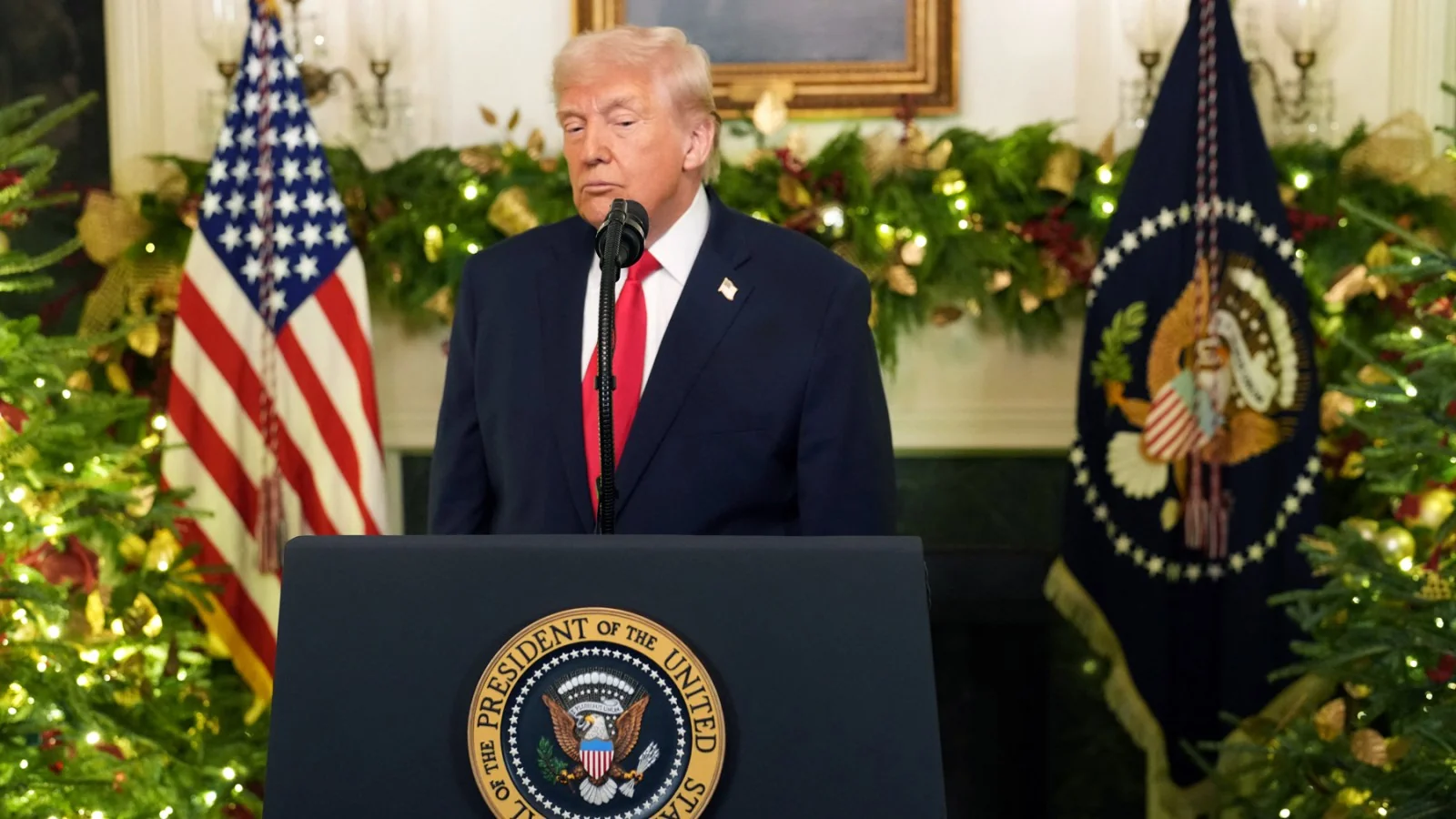
In a recent primetime address, President Donald Trump announced that military service members would receive a “warrior dividend” of $1,776. While the president’s rhetoric suggested this was a substantial bonus, many news outlets reported that the funds for these checks would be taken from already allocated resources intended for housing and healthcare subsidies.
The True Cost of the Warrior Dividend
According to multiple reports, the “warrior dividend” is not an additional expense but rather a reallocation of existing VA funding. The money will come from the $17 billion allocated by Congress earlier this year for housing and healthcare subsidies for service members. This move has raised eyebrows among military advocates who argue that any reduction in resources dedicated to veterans’ care is concerning.
Healthcare Cuts Underway
The VA plans to cut an additional 35,000 health care positions, including doctors and nurses, as part of a broader strategy aimed at privatizing the department through attrition. This comes after initial plans to eliminate 80,000 positions were scaled back to 30,000 but now include these new cuts.
According to a memo obtained by The Washington Post, this move places the VA closer to its goal outlined in Project 2025 and the Department of Government Efficiency (DOGE), which seeks to privatize the VA through attrition. This strategy has long been championed by far-right Republicans and libertarians who view it as an expansion of “choice” for veterans.
The Impact on Veterans
The cuts are seen as a significant blow to veterans, many of whom rely on world-class government-funded healthcare services. Privatizing the VA has long been framed as providing more options, but critics argue that it is actually pushing veterans into failing private health care systems.
Experts warn that these changes will lead to longer wait times, delayed appointments, and diminished quality of care. The process of staffing reductions is already evident in Chicago, where hundreds of vacancies at major VA hospitals exist despite emergency departments being overwhelmed with patients and ICUs operating with fewer staff than ever before.
The Broader Context
These moves come as billionaires are set to receive $1 trillion in tax cuts over the next decade. The so-called “Big Beautiful Bill” that Trump signed into law earlier this year is also cutting around $1 trillion from health programs, including those for veterans.
The Department of Veterans Affairs’ plans are part of a larger strategy by the Trump administration to shift resources away from government-funded healthcare and towards private solutions. This has raised concerns among veterans and their advocates who fear that these changes will make it harder for service members to access high-quality care.
Conclusion
The “warrior dividend” is seen as a thinly-veiled attempt by the Trump administration to win back support from military service members without actually providing meaningful benefits. Instead, it is part of a broader plan that could leave veterans poorer and sicker in the long run.
As these cuts are implemented, more veterans will be pushed into private facilities with uncertain outcomes. The Trump White House seems unbothered by this, focusing instead on lavish expenditures like a nearly half-billion-dollar ballroom remodel.
This is all happening as billions of dollars are being siphoned from the health care system to benefit the wealthiest Americans.
The result is a new normal where veterans face poorer healthcare options and diminished quality of life, while those at the top continue to accumulate wealth. If you’re not outraged by this systematic dismantling of the VA, you’re not paying attention.