Key Highlights
- Samsung’s social media ads are criticized for using poorly rendered AI.
- The ad “Brighten your after hours” distracts from its intended message due to obvious AI flaws.
- Critics argue that Samsung’s use of AI in advertising undermines consumer trust.
Samsung’s Shameless AI Ads: A Step Backwards?
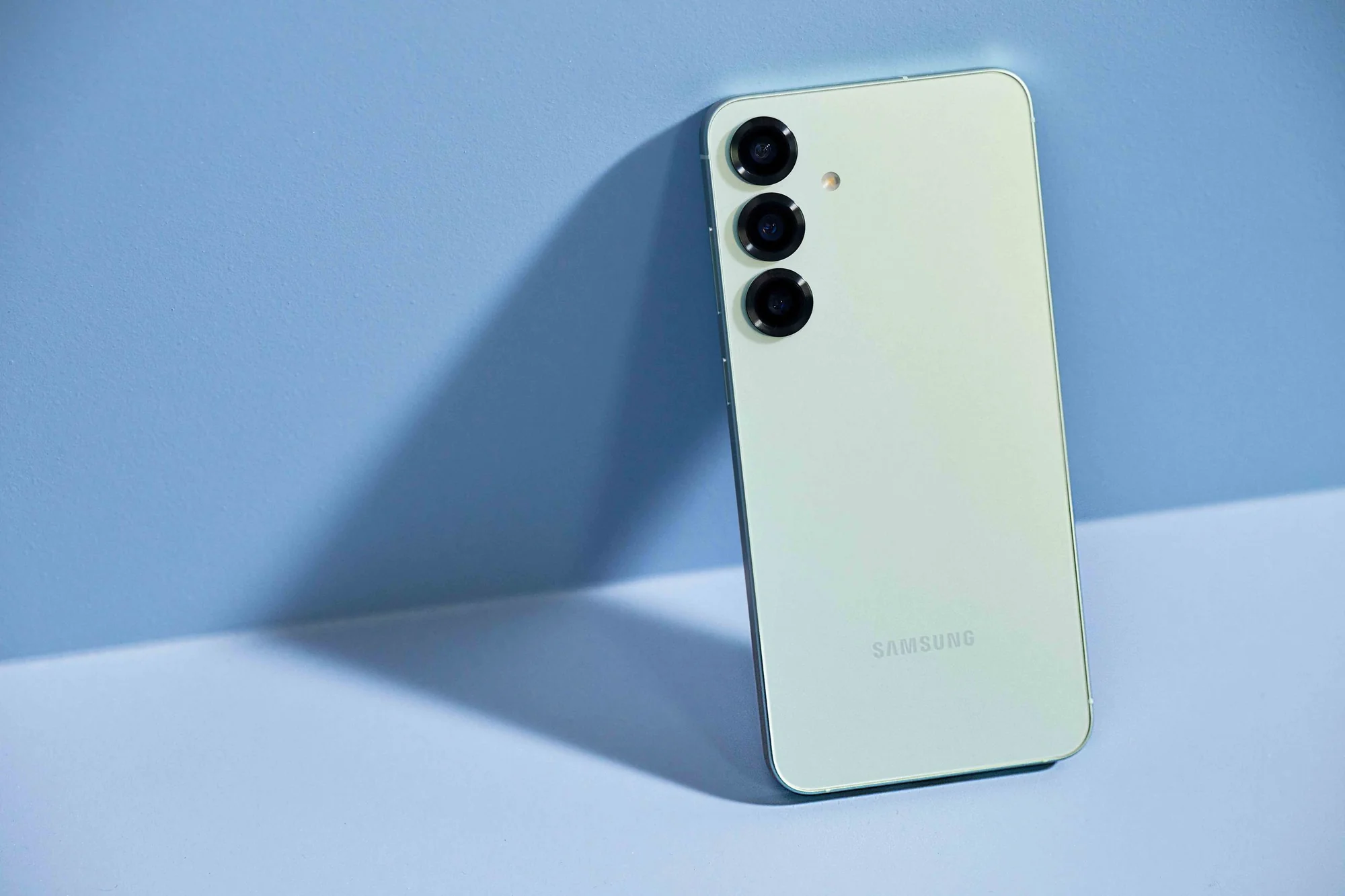
Remember when big tech companies were the pioneers of cutting-edge technology? Well, it seems like Samsung has taken a step back into the dark ages of marketing. Their recent social media ads, designed to highlight their new Galaxy S26 series’s AI capabilities, have been met with widespread criticism and skepticism.
Badly Rendered AI
The ad titled “Brighten your after hours” is a perfect example of why Samsung shouldn’t be dabbling in AI advertising. The ad is supposed to showcase the phone’s ability to brighten dark videos, but it fails spectacularly. Why are the skateboarding men’s suits so shiny? And why does the road suddenly transform from paved to cobbled?
Consumer Trust and Brand Image
The underlying issue here isn’t just about poor execution; it’s about eroding consumer trust in Samsung as a tech leader. By using AI that is so obviously flawed, they risk damaging their brand image. The ad ends with the line “Can your phone do that?”—a question that Samsung would be wise to answer negatively.
You might think this is new, but it’s not.
We’ve seen similar issues with big brands like McDonald’s and Coca-Cola struggling with AI-generated content. It’s a trend that suggests more companies are cutting corners when they should be focusing on genuine innovation.
A Warning to the Industry
As a tech industry veteran, I can’t help but feel a sense of disappointment. The future of advertising is supposed to be about leveraging AI to create compelling and seamless experiences. But if big companies like Samsung are using shoddy AI, it’s not a good look for the entire tech sector.
The writing on the wall is clear: if major brands can’t even get their AI ads right, what does that say about the state of technology in 2026?
The future’s not bright. The future’s sloppy.