Key Highlights
- Salman Rushdie discusses his new book “The Eleventh Hour,” which is the first fiction he has published since the 2022 attack that nearly killed him.
- The book addresses issues of free speech, including the fatwa issued by Ayatollah Khomeini in 1989 over Rushdie’s novel, “The Satanic Verses.”
- Rushdie reflects on his own immigrant experience and the implications of suppressing freedom of expression.
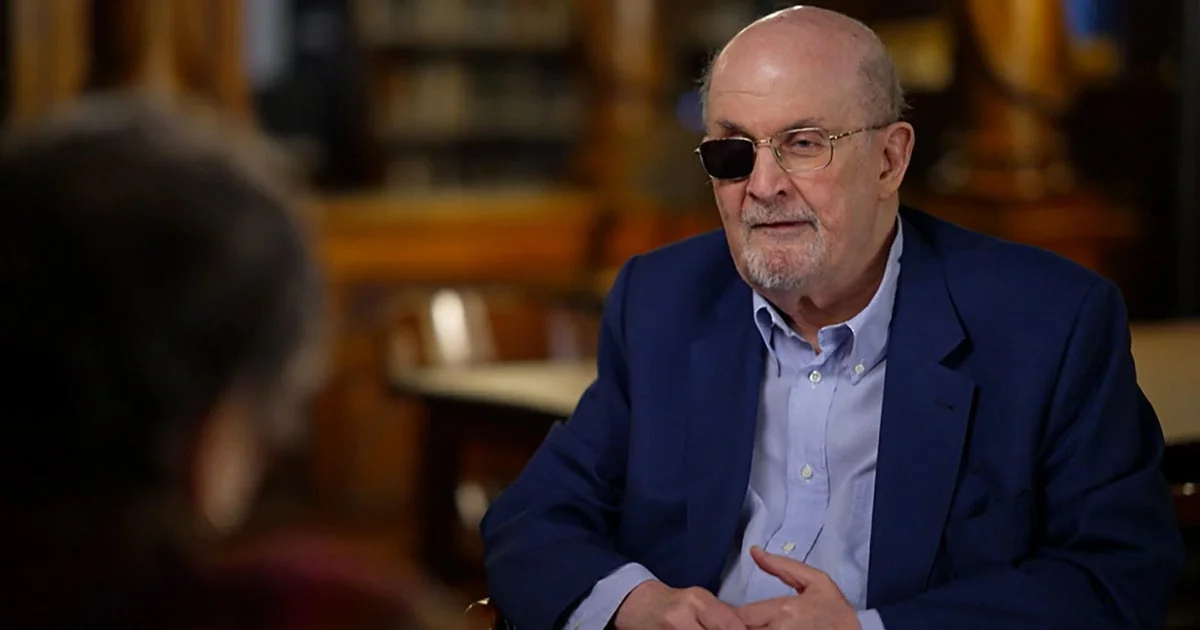
Salman Rushdie and Free Speech: A Conversation with Martha Teichner
In a recent interview, renowned author Salman Rushdie shared insights from his latest work, “The Eleventh Hour,” a collection of short stories and a novella. The book marks the first fiction he has published since the 2022 attack that nearly claimed his life.
The Fatwa and Its Impact
During the interview, Rushdie delved into the history of the fatwa issued by Ayatollah Khomeini in 1989. The fatwa, following the publication of “The Satanic Verses,” claimed that passages in the novel insulted Islam, leading to a global controversy and personal danger for Rushdie.
Immigrant Experience and Freedom of Expression
Rushdie also reflected on his own immigrant experience in the U.S., emphasizing the importance of freedom of expression. He highlighted how the suppression of such rights can have dire consequences, both personally and politically.
The Future of Free Speech: A Critical Discussion
With “The Eleventh Hour,” Rushdie aims to provoke thought on the fragile nature of free speech in a world increasingly threatened by intolerance. The author acknowledges that while his experiences are extreme, they underscore broader issues facing societies everywhere.
“What happens when freedom of speech dies?” Rushdie asked during the interview, emphasizing the need for vigilance and activism to protect this fundamental right. “Every time we let it slip a little, we’re letting the whole system slip,” he added.
Expert Perspectives on Free Speech
Experts in literature and civil liberties agree that Rushdie’s work is not only a personal statement but also a call to action. Professor Jane Smith, a leading scholar of contemporary literature, noted: “Rushdie’s return to fiction after such a traumatic experience speaks volumes about the resilience of the human spirit and the importance of artistic expression.”
“His latest book serves as both a reminder of the dangers we face when speech is silenced and an encouragement for us to remain vigilant,” Smith explained. “We must continue to support writers like Rushdie who stand up for their rights and those of others.”
Conclusion
The conversation with Martha Teichner underscored the critical role that free speech plays in society, as exemplified by Salman Rushdie’s enduring commitment to it. Through “The Eleventh Hour,” Rushdie invites readers to consider the implications of censorship and the value of a world where ideas can freely flow.