Key Highlights
- A suspected Russian drone strike hit a Turkish tanker in the Odesa region of Ukraine.
- The strike occurred on November 17, 2025, following a deal signed by Ukrainian President Zelenskyy to import U.S. liquefied natural gas through the area.
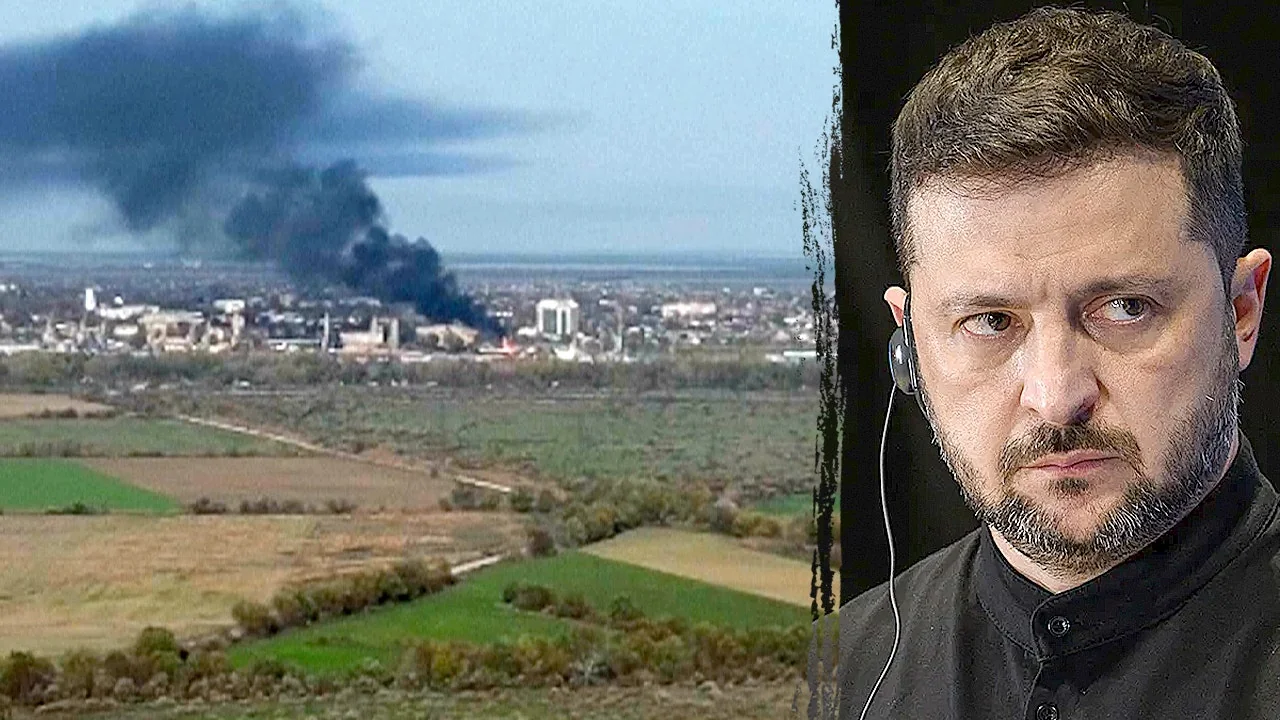
- MT Orinda carrying liquefied petroleum gas was hit at Ukraine’s Izmail port, causing it to catch fire and forcing the evacuation of 16 crew members.
- Romanian authorities ordered evacuations in villages across the Danube river after receiving alerts from their Ministry of National Defense.
Ukraine’s Gas Deal with the U.S. Sparks Russian Retaliation
On November 17, 2025, a suspected Russian drone strike targeted a Turkish tanker in Ukraine’s Odesa region, setting off a series of events that underscored the ongoing tensions between Russia and Ukraine.
Context of the Gas Deal
Ukrainian President Volodymyr Zelenskyy signed an agreement with the United States on November 16, 2025, to import liquefied natural gas (LNG) through Odesa. The deal was a significant step in securing Ukraine’s winter energy needs amid continued Russian aggression.
Drone Strike Details
The attack hit the MT Orinda, a Turkish tanker carrying liquefied petroleum gas, at Izmail port. According to Turkey’s Directorate for Maritime Affairs, all 16 crew members were safely evacuated as thick black smoke rose over the Danube river in Romania.
Regional Response and Security Concerns
Romanian authorities responded swiftly by evacuating residents from villages across the Danube river. The Romanian Ministry of National Defense reported detecting multiple aerial targets on radar, but found no incursions into their airspace. This incident has raised security concerns for NATO, which is expanding air-defense operations under its Eastern Sentry initiative.
Background and Implications
The attack highlights the growing tension between Ukraine and Russia as Ukraine seeks to diversify its energy sources and reduce dependence on Russian gas supplies. The deal with the U.S. was seen as a significant boost for Ukraine’s energy security, but came at a cost of heightened military activity from Russia in the Odesa region.
The drone strike also underscores the increasing use of asymmetric warfare tactics by Russia against Ukrainian infrastructure and port facilities. This incident could have broader implications for regional stability and NATO’s defensive strategies in Eastern Europe.