Key Highlights
- Nick Reiner reportedly switched his schizophrenia medication one month before killing his parents.
- The change in medication was due to side effects and led to his parents’ deaths on December 14, 2025.
- A report by The New York Times suggests Nick struggled with the new medication after the switch.
- Nick entered a mental health conservatorship in 2020 that ended in 2021 and was diagnosed with schizophrenia and schizoaffective disorder.
Background on Nick Reiner’s Mental Health
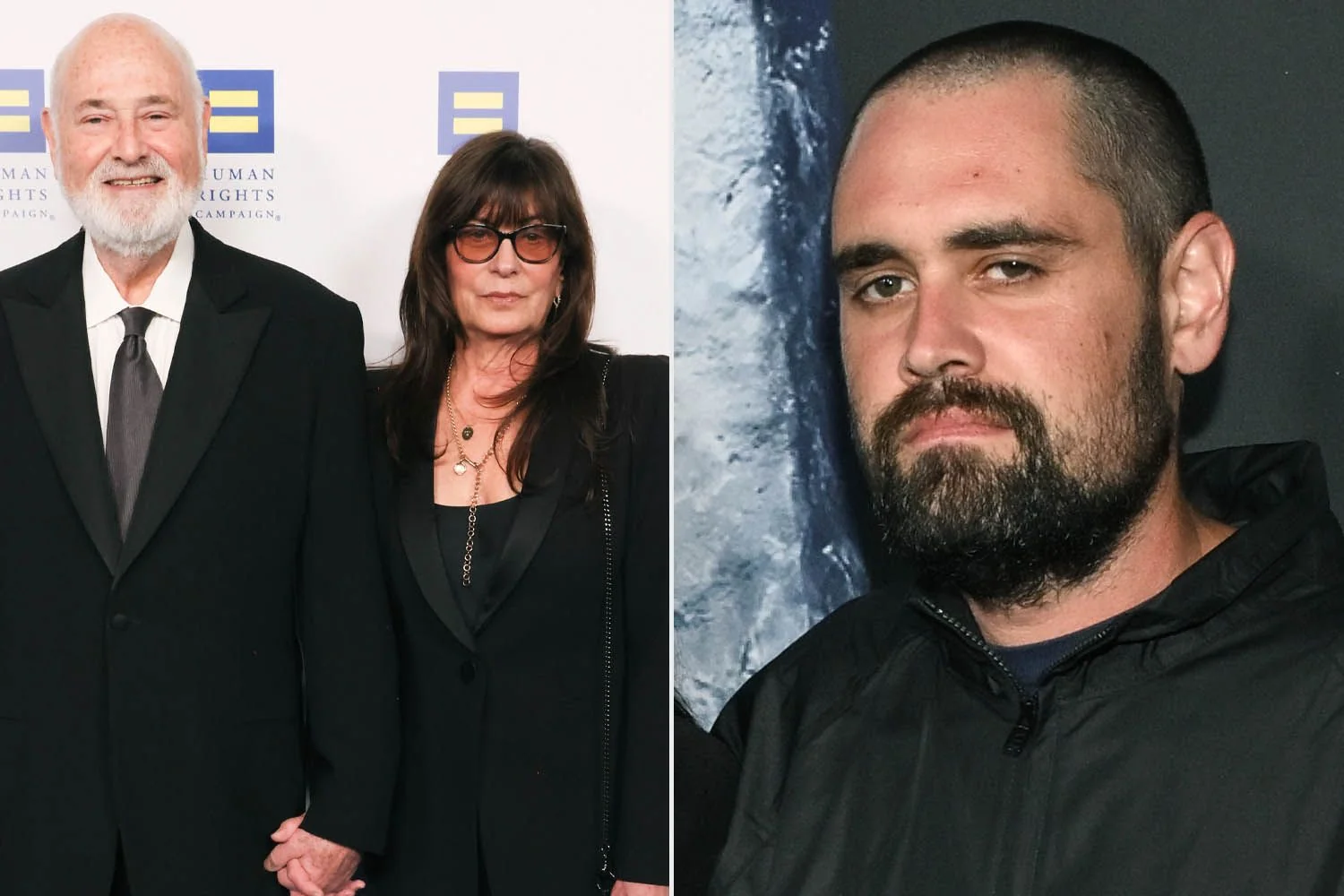
Rob and Michele Reiner, renowned actors known for their roles in popular television shows, were found dead inside their Los Angeles home on December 14, 2025. Their son, Nick, now aged 32, is charged with two counts of first-degree murder in connection with their deaths. The case has gained significant attention due to the tragic circumstances and the complex interplay between mental health and legal responsibility.
Medication Changes and Struggles
Nick Reiner had a history of schizophrenia and schizoaffective disorder, conditions that require careful management through medication. According to a report by The New York Times, Nick reportedly switched his medications one month before the tragic events. This change was due to side effects he experienced from his previous treatment. The new regimen reportedly exacerbated his mental health issues, leading to a period of heightened vulnerability and distress.
Family Dynamics and Support
The Reiner family had long struggled with Nick’s mental health challenges. His parents, Rob and Michele, tried their best to support him over the years but faced significant setbacks. In an exclusive interview with PEOPLE magazine, a source close to the family revealed that “Nick didn’t take his parents’ help seriously” despite their repeated efforts. Another insider added, “His issues were far, far out of his parents’ control.” Despite the challenges, Rob and Michele never lost hope in their son.
Consequences and Legal Proceedings
Nick was initially placed on suicide watch at Twin Towers Correctional Facility after his arrest. The legal proceedings have been closely followed by media outlets. At a court hearing on January 7, Nick’s attorney Alan Jackson announced he would be withdrawing from the case, leaving Nick to be represented by a public defender, Kimberly Greene.
In a press conference, Jackson stated, “Nick Reiner is not guilty of murder. Print that.”
The case has raised questions about the management and oversight of mental health conditions, particularly in cases where individuals are struggling with severe illnesses like schizophrenia. As the legal process continues, experts stress the importance of ongoing support and monitoring for those dealing with complex psychiatric disorders.