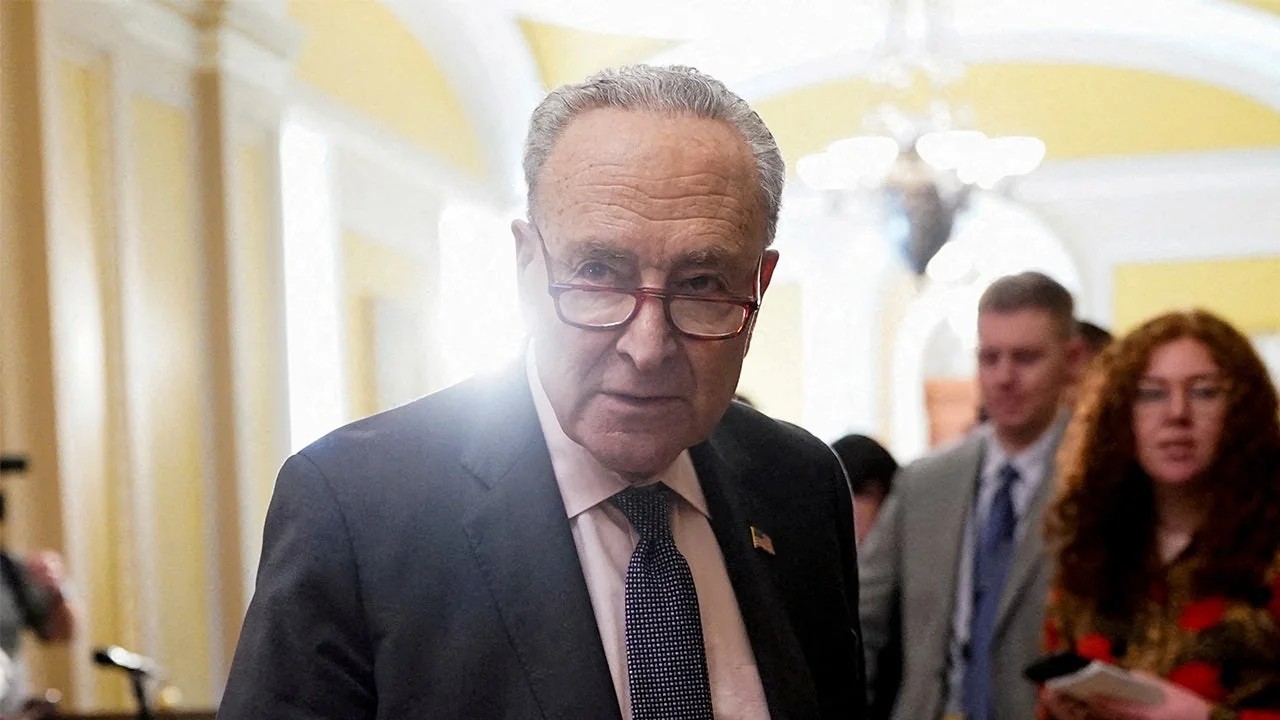
Key Highlights
- The longest government shutdown persists for 39 days.
- A reckoning is expected for both political parties due to the ongoing shutdown.
- Republicans are focused on ending spiking healthcare subsidies linked to Obamacare.
- Democrats are facing pressure to fund the government and address healthcare issues.
The Ongoing Government Shutdown: A Political Crisis
The longest government shutdown in U.S. history continues, now entering its 39th day, with no immediate resolution in sight. This protracted crisis has created significant pressure on both political parties and highlights the deep divides over healthcare subsidies tied to Obamacare.
Republicans’ Stance: Healthcare Subsidies
Republican leaders are pushing to break a filibuster on a spending bill, hoping to address the issue of spiking healthcare subsidies. Senator John Thune, Republican from South Dakota, criticized Senate Democrats for their resistance to funding extensions and accused Senate Minority Leader Chuck Schumer of appeasing his “far Left” base with threats of a shutdown.
Republicans argue that healthcare subsidies are unnecessary due to high costs associated with Obamacare. They contend that the law has driven up health care prices, leading to increased government spending on insurance subsidies. For instance, Senator James Lankford from Oklahoma described those benefiting from Obamacare as “a select group” of about 24 million people—7% of the U.S. population.
Democrats’ Challenges: Reckoning and Internal Party Strife
Democrats are facing significant political pressure to address both the shutdown and healthcare issues. Senate Majority Leader Chuck Schumer is under scrutiny for his role in initiating the shutdown, while House Minority Leader Hakeem Jeffries grapples with the need to fund the government without compromising on Obamacare subsidies.
A major internal struggle within the Democratic Party looms as moderate Democrats may be open to supporting a Republican plan if it means quickly reopening the government. However, this could lead to an internecine conflict with progressive elements of the party, who are likely to oppose any deal that does not address healthcare concerns comprehensively.
Timeline and Political Reckoning
The Senate is poised for a crucial test vote on Sunday evening regarding the new GOP proposal. If successful, it could lead to final passage in both chambers by early next week. However, Democrats remain uncertain about their stance and potential support for such legislation.
Regardless of the outcome, political experts predict that this shutdown will result in significant repercussions for both parties.
Republicans may face backlash from voters if they do not resolve healthcare issues soon, while Democrats could face internal party turmoil over the handling of the government funding crisis.
The political landscape is complex and multifaceted, with multiple moving parts and potential scenarios. As the shutdown continues, all eyes remain on Washington D.C., where critical decisions could have far-reaching consequences for both parties’ futures in the coming years.