Key Highlights
- The Goetz shooting in 1984 and its trial exposed divisions in American society.
- Two new books revisit the case, offering insights into the racial and political context of the time.
- The acquittal of Goetz was influenced by his use of the n-word and his desire for retribution against the young men involved.
- The case is seen as a precursor to current debates on stand-your-ground laws and civil order.
Shadows of 1984: The Goetz Shooting Revisited
In February 2026, two books resurface the tale of Bernhard Goetz, a New York City resident who shot four young men in 1984, sparking a national debate on self-defense and racial tensions.
The Case Unfolds: A Confluence of Fear and Race
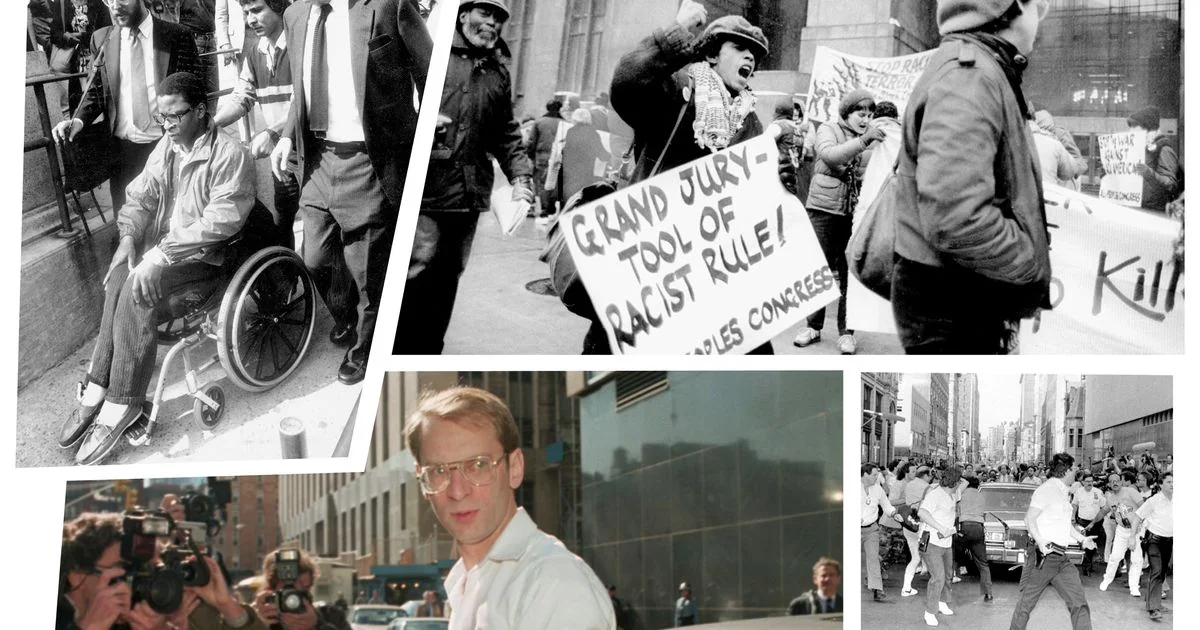
On December 22, 1984, Goetz boarded the downtown 2 train, armed with an unlicensed pistol. Four teenagers, one carrying a screwdriver, were in the car heading to a video arcade. Goetz shot them, resulting in one paralysis and lasting societal impact.
The shooting became emblematic of the era’s racial fears, with Goetz being white and affluent while his victims were Black. The case was a microcosm of wider divisions that would define American politics for decades.
Legal Battles and Public Opinion
Goetz was only convicted for carrying an unlicensed handgun, acquitting him on attempted murder charges. His defense hinged on the “reasonable fear” doctrine, which allowed a jury to find in his favor despite evidence of racial bias and retribution.
The trial was a media spectacle, with conflicting views from public figures. The Village Voice supported Goetz, while Daily News columnist Jimmy Breslin condemned him. Public sentiment shifted slightly but remained divided along socioeconomic and ethnic lines.
Legacy in Context: A Rebirth of White Rage
Heather Ann Thompson’s book, “Fear and Fury,” argues that the Goetz case foreshadowed contemporary debates on civil order and retribution. It connects the incident to Reagan-era policies and the rise of white supremacy.
The National Rifle Association seized an opportunity in 1984, using the case to push for broader Second Amendment rights. This strategy contributed to later stand-your-ground laws, which have been invoked in recent high-profile cases.
Conclusion
Echoes Resound
The Goetz shooting remains a lens through which we can examine modern debates on self-defense and racial justice. As we grapple with similar issues today, the case serves as both a warning and a reminder of how far society has (or hasn’t) come.