Key Highlights
- Rachaad White fined $46,371 for illegal use of his helmet.
- The infraction occurred during a game against the Lions on October 25, 2025.
- White was not penalized in-game but received a fine afterward.
- This is the largest fine of the week for such an offense.
NFL Fines Running Back Rachaad White for Illegal Helmet Usage
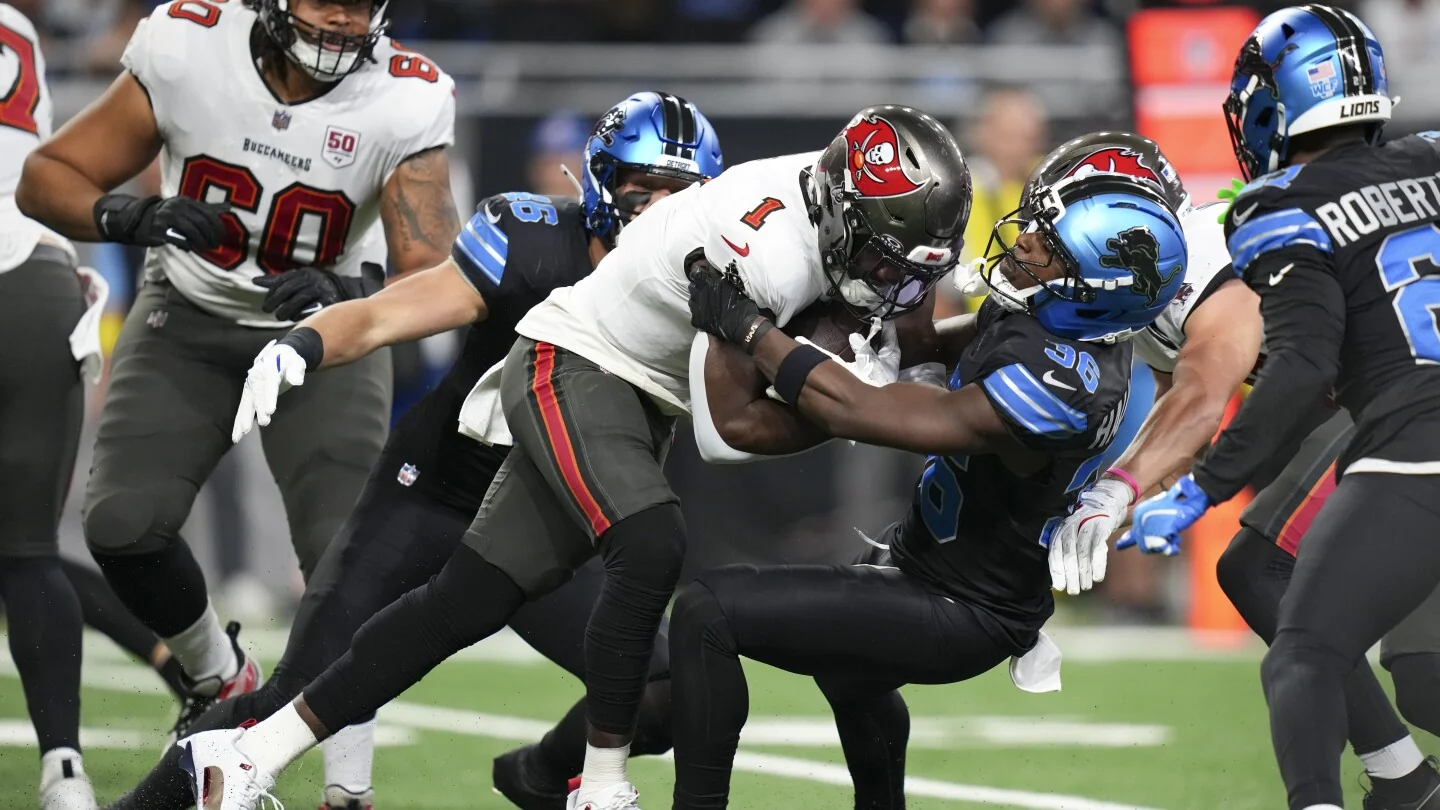
The National Football League (NFL) has imposed a significant fine on Buccaneers running back Rachaad White, who was penalized $46,371 for illegal use of his helmet during last Monday’s game against the Detroit Lions. The infraction took place in the first quarter when White lowered his helmet to initiate contact with Lions safety Erick Hallett.
Notably, despite this clear-cut violation of league rules, no penalty was issued by officials on the field. However, the NFL decided to penalize the player after the game, making it a stark reminder of the strict regulations governing helmet usage in professional football.
White’s Previous Fine and Broader Context
This is not the first time White has faced such a fine. The NFL announced that he was fined for the same infraction during late 2024, highlighting a pattern of behavior that requires stricter enforcement or player education to address.
Other Team’s Fines and Broader League Concerns
The Lions also faced their own consequences from this game. Defensive lineman Tyrus Wheat was fined $5,722 for tripping Buccaneers quarterback Baker Mayfield during the Lions’ victory. These incidents underscore ongoing concerns about player safety and fair play in professional football.
Implications for Players and Teams
The fine on White emphasizes the importance of proper helmet usage and contact initiation as critical aspects of ensuring a safe playing environment. The NFL continues to emphasize these rules, with clear penalties in place for violations. These measures not only protect players but also set a standard that all teams and individuals must adhere to.
Such incidents also highlight the need for constant review and improvement in the rules governing player safety and fair play within professional sports. While this fine serves as a corrective measure, it may prompt further discussions on how to enforce these rules more effectively moving forward.
Conclusion
The fine levied against Rachaad White is part of an ongoing effort by the NFL to maintain high standards in player safety and fair play. As professional football continues to evolve, so too must the rules and enforcement mechanisms that govern this sport. The incident serves as a reminder for players, coaches, and teams alike to be vigilant about adhering to these critical guidelines.