Key Highlights
- The Russian war in Ukraine has come home to Moscow.
- Russian officials appeared nervous days before a major military parade.
- Drones from Ukraine targeted Moscow’s air defenses and airports for years.
- The Kremlin’s anxiety over the war is visible on the streets of Moscow.
The War Comes Home to Putin
Four years ago, Vladimir Putin made a deal with Moscow and its business elite: Support my war in Ukraine, and I won’t make you think about it. But now, that deal is broken.
A Drone Threat on the Horizon
Back in 2023, Ukrainian drones first exploded over the Kremlin, revealing how unprepared Moscow’s air defenses were. Fast forward to last week, and the whining noise of unmanned flying objects could be heard again in the city.
Nervousness at the Parade
Two days before Russia’s annual May 9 military parade, Russian officials appeared nervous. The foreign minister issued a threat, promising “no mercy.” Meanwhile, the Kremlin spokesperson reassured Muscovites that security was tight because the “threat from the Kyiv regime” had been taken into account.
A Parade Under Pressure
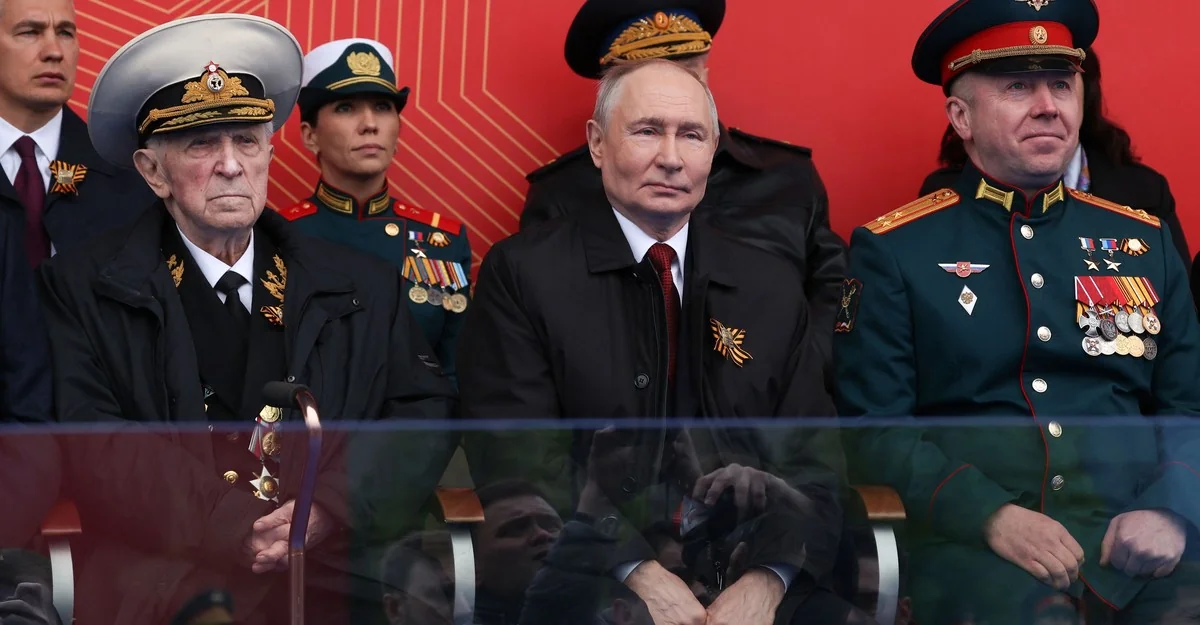
The whole show was brief, lasting only 45 minutes. Putin looked gray and anxious. The parade featured few foreign leaders and no tanks or missiles on display.
Instead, there were solemn North Korean soldiers marching alongside Russians. These soldiers served as a reminder of the thousands who had died helping Russia recapture Kursk province.
The War’s Impact on Daily Life
As the war drags on, Russian officials have taken measures to control public discourse. Cellphone coverage in Moscow and across Russia has become unreliable, with many physical systems also stopping working due to state censorship. This comes alongside high inflation and interest rates that have weighed on even Russia’s wealthiest businesses and consumers.
On the streets of Moscow, ordinary people are increasingly aware of the war’s impact.
During Yevgeny Prigozhin’s brief rebellion in 2023, Muscovites were told to stay home for fear of violence. For the past several days, they were once again put on high alert as snipers and soldiers with anti-drone weapons patrolled Red Square.
These inconveniences come on top of high inflation and interest rates that have weighed on even Russia’s wealthiest businesses and consumers for months. The war, and the Kremlin’s anxiety about the war, is now visible on the streets.
The carefully promoted cult of the Second World War has caught up with Putin.
His unnecessary, illegal, brutal war in Ukraine has already lasted longer than the Russian war against the Nazis. He can’t even hold a parade in Moscow without fearing that the Ukrainians will disrupt it.
But this doesn’t mean his Ukraine war is over, or that Putin’s reign has ended. It does mean that Russians in general, and Muscovites in particular, can now clearly see the contrast between propaganda and reality. A vacuum has opened up, and sooner or later something else, or someone else, will fill it.