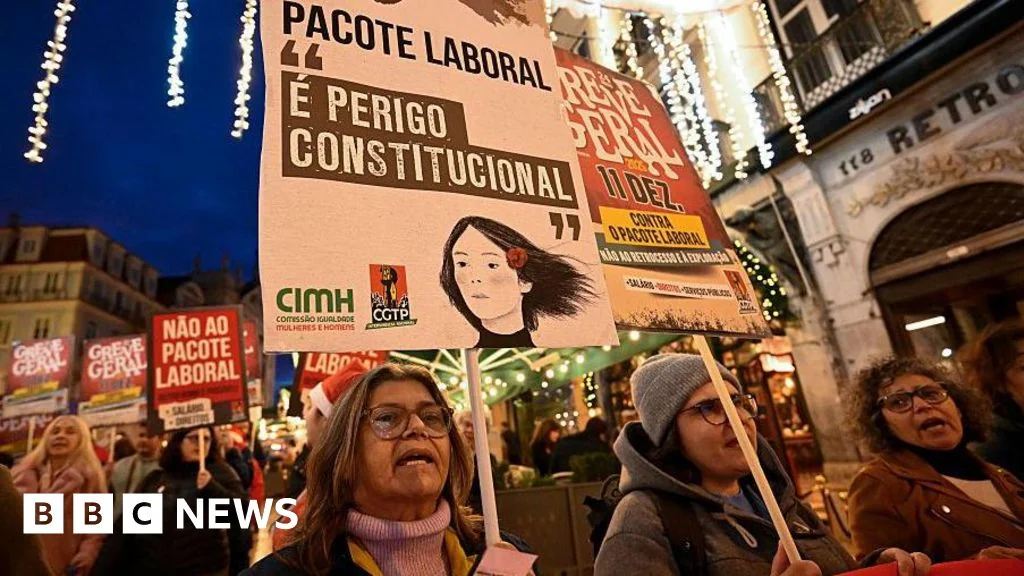
Key Highlights
- Portugal braces for a 12-year-first general strike over unprecedented labour reforms.
- The CGTP and UGT union federations are staging the strike, affecting transport, flights, hospitals, schools, and public services.
- Prime Minister Luís Montenegro faces strong opposition to his plans amidst economic growth concerns.
- The strike comes as politicians seek support from Chega for controversial measures that may amend Portugal’s constitution.
The Context of Portugal’s Labour Reforms
Portugal is on the brink of a significant disruption, with its first general strike in 12 years scheduled for Thursday. This unprecedented labour reform movement has caught many off guard, including Prime Minister Luís Montenegro himself. The two major union federations, CGTP and UGT, are leading this initiative to protest against what they see as an assault on workers’ rights.
Striking Impact
The strike will have a widespread impact across Portugal. Public transport networks, air travel, healthcare services, schools, and other essential public services are expected to face severe disruptions. This comprehensive shutdown underscores the gravity of the situation for both citizens and businesses alike.
The CGTP, known for its more militant stance, has joined forces with the UGT in a rare display of unity. The last time these two unions collaborated was during the 2013 eurozone debt crisis, when international institutions demanded severe cuts to salaries and pensions as part of Portugal’s bailout package.
Government’s Response
Prime Minister Montenegro has been vocal about his intentions to address “rigidities” in the labour market. He believes that these changes are necessary for making companies more profitable, thereby leading to better wages for workers. However, his approach seems to have backfired as he finds himself facing a wave of resistance.
Montenegro’s government lacks a majority in parliament and is now seeking support from smaller parties like the Chega, which has become the second-largest party since May’s general election. The leader of Chega, André Ventura, has expressed some reservations about certain measures but appears open to negotiations.
Contentious Proposals
Among the most controversial proposals are:
- Lifting a ban on sacking workers and immediately rehiring them via outsourcing
- Removing requirements to reinstate employees who were unfairly dismissed
- Allowing employers to roll over temporary contracts for years without end
These changes are particularly concerning for young people in their 20s, as they could face a more rigid and less flexible job market. The opinions on these reforms are mixed, with some supporting the need for modernization while others argue that such measures could lead to a decline in job security.
Union Opposition
Both CGTP and UGT have strongly condemned the proposed labour reforms. They see them as an “assault” on workers’ rights, especially those of women and young people. The unions also criticize the government for holding unbalanced and restrictive talks with businesses.
In a statement, Mário Mourão, secretary-general of UGT, expressed concern that these changes could affect thousands of workers at Portugal’s largest factory, Autoeuropa. “It must be responded to appropriately,” he emphasized.
Constitutional Implications
The proposed reforms have also caught the attention of political and legal experts who warn that these measures could lead to constitutional challenges. The issue has become intertwined with the upcoming January presidential election, where several candidates argue that the labour reform bill contravenes Portugal’s 1976 constitution.
Under Portugal’s semi-presidential system, the head of state can decline to sign bills approved by parliament. This process can be reviewed by the Constitutional Court or delayed through a veto, ensuring further discussion and potential legal challenges.
Federal Response
With the government seeking to overhaul significant parts of the labour code, these discussions might stoke voter unease about its radicalism. The plans were not included in the coalition’s election manifesto, adding to the controversy.
As Portugal prepares for this unprecedented strike, all eyes are on how Prime Minister Montenegro and his administration will navigate this politically charged landscape. The outcome of these reforms could have far-reaching implications for both the economy and workers’ rights in the country.
Stay tuned as we follow this developing story and its impact on Portugal’s labour market and political climate.