Key Highlights
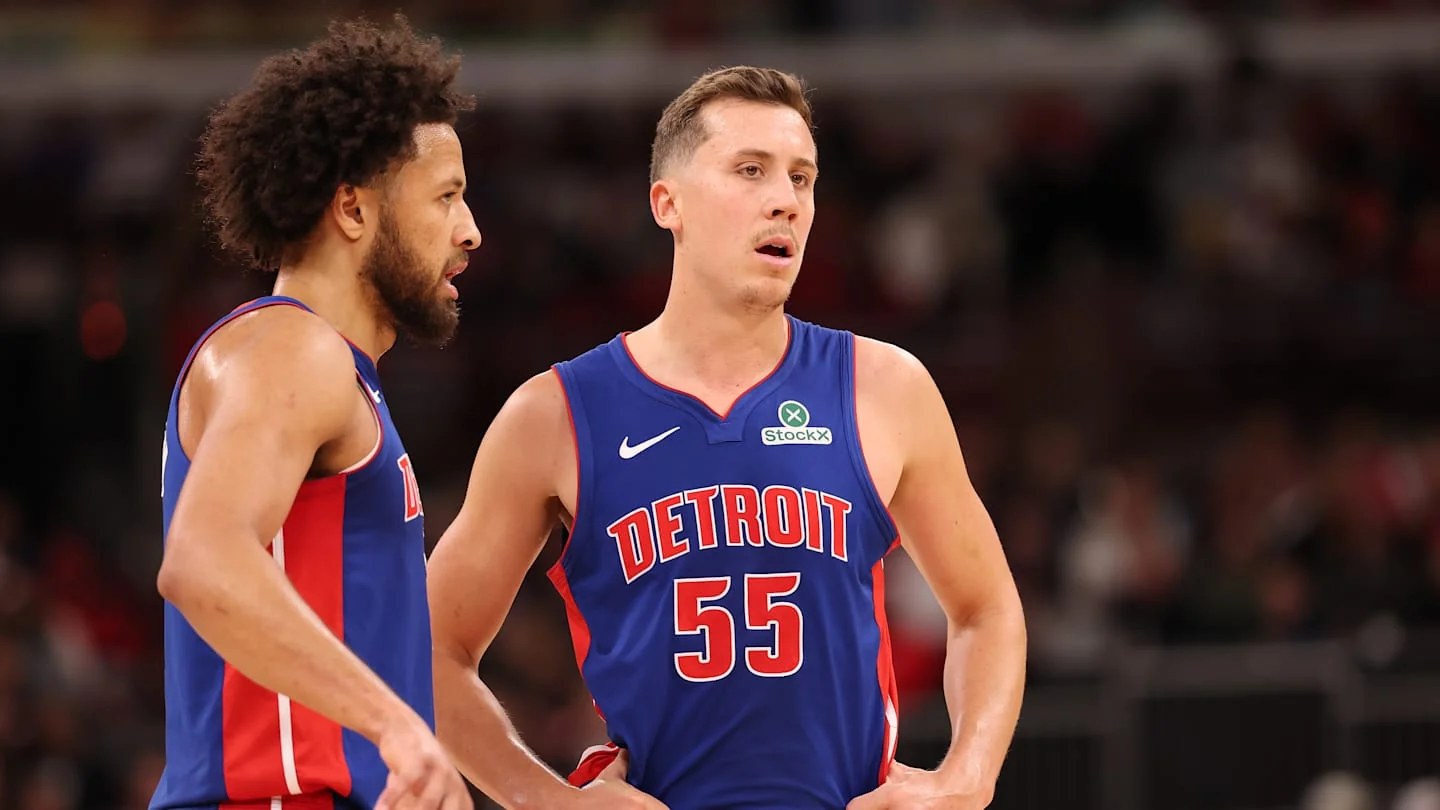
- The Detroit Pistons traded for Duncan Robinson from the Miami Heat in hopes of keeping a knockdown movement shooter next to Cade Cunningham.
- R Robinson has struggled with his shooting and defense early in the season, while Simone Fontecchio has excelled for the Miami Heat.
- The Pistons’ trade looks like a failure as they may have given up a better player to give a more expensive contract to the worse player.
Background on the Trade Decision
The Detroit Pistons found themselves in a challenging situation this summer, as Malik Beasley, known for his exceptional shooting, was implicated in illegal gambling activities. The team had to make a tough decision and turn their attention towards finding a suitable replacement. They opted to trade for Duncan Robinson from the Miami Heat in order to keep a reliable outside threat on the roster alongside Cade Cunningham.
Robinson’s Early Struggles
Despite being brought in as an experienced sharpshooter, Robinson has not lived up to expectations so far this season. In just four games, he is only averaging 7.1 three-point attempts per-36 minutes, the lowest of his career, and converting them at a paltry rate of 32 percent. His poor shooting percentage is particularly concerning given that he will earn $48 million over the next three seasons on his new deal with Detroit.
Fontecchio’s Success in Miami
Simone Fontecchio, who was sent to the Miami Heat as part of the trade, has shown significant promise. He is averaging 12.8 points per game while shooting an impressive 55 percent from three-point range and 72.7 percent from two-point range. His true-shooting percentage ranks him among the top ten in the NBA, making him a valuable asset on both ends of the court.
Implications for the Pistons
The Pistons’ decision to trade for Robinson now looks like a miscalculation. While he brings in-game experience and a high volume of three-point attempts, his current performance is underwhelming compared to what was hoped. On the other hand, Fontecchio’s contributions have already proven beneficial for Miami, making him an attractive alternative if the Pistons were to seek a trade or internal rotation adjustment.
Conclusion
The Detroit Pistons’ trade of Duncan Robinson in hopes of securing an effective outside threat has backfired as early results suggest. The team may need to reassess their strategy and consider ways to improve their offensive output without further compromising on defense. As the season progresses, it will be interesting to see if Robinson finds his rhythm or if Fontecchio continues to prove his worth in Miami.
For now, the Pistons are left regretting what could have been a more judicious trade decision. The early returns point to a potential misstep that might impact their performance and future prospects in the Eastern Conference.