Key Highlights
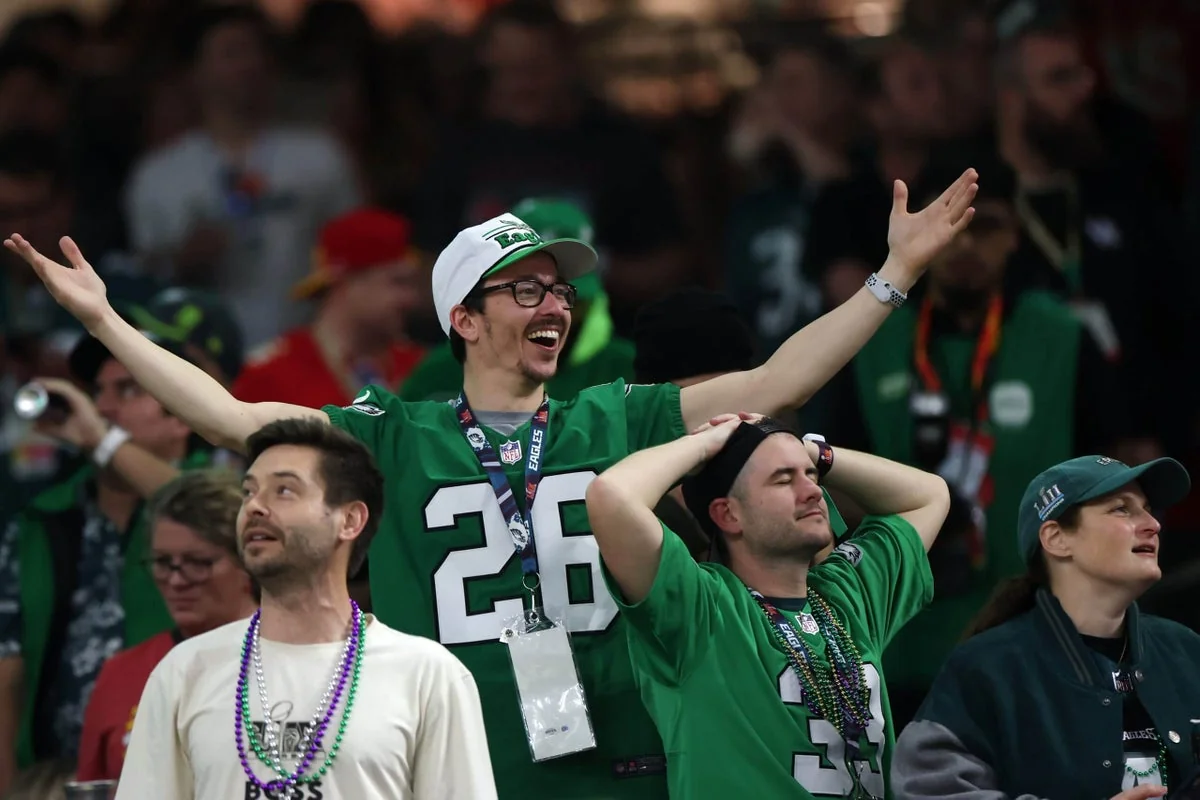
- The Philadelphia Eagles versus the Green Bay Packers game on Monday Night Football is looming as a potential deal-breaker for the conflict between ESPN and YouTube TV.
- About 10 million YouTube TV subscribers are uncertain about their viewing options for this critical match, creating tension in the sports media landscape.
- YouTube TV fans with Sunday Ticket deals can watch every out-of-market game at a slight discount, making it a popular platform among die-hard NFL fans.
- The standoff between ESPN and YouTube TV is rooted in disagreements over payment terms and the inclusion of a “Most Favored Nation” clause.
Standoff Between ESPN and YouTube TV: The Philadelphia Eagles vs. Green Bay Packers Game on Monday Night Football
In the escalating conflict between ESPN and YouTube TV, the upcoming Philadelphia Eagles versus Green Bay Packers game on Monday Night Football is poised to play a pivotal role. This high-stakes match, scheduled for early next week, has become a critical juncture in what could be a long-standing dispute over broadcasting rights and financial terms.
The tension is palpable as 10 million YouTube TV subscribers find themselves in limbo, unsure whether they will have access to this highly anticipated game. This uncertainty underscores the broader implications of the ongoing negotiations between two major players in the sports media landscape: Alphabet (YouTube TV) and Disney (ESPN).
The Financial Stakes
At the heart of the dispute is a $2 billion annual payment made by Alphabet to the National Football League (NFL) for Sunday Ticket. This exclusive deal allows YouTube TV to offer its subscribers access to out-of-market NFL games at a discounted rate compared to Sunday Ticket’s full price.
YouTube TV, with approximately 10 million subscribers since its inception in 2017, has positioned itself as a formidable competitor to traditional cable providers. Its subscriber base is particularly strong among die-hard NFL fans due to the availability of live sports content, including Sunday Ticket games.
The Standoff and Its Implications
The current standoff between ESPN and YouTube TV centers on several key issues: how much YouTube TV should pay for its services, thresholds for inclusion in a “Most Favored Nation” clause, and the overall terms of their broadcasting agreement. These negotiations have been complicated by an executive move made earlier this year when Justin Connolly, formerly Disney’s president of platform distribution, switched to become YouTube’s first global head of media and sports.
The lawsuit that followed his departure has led to a recusal for Connolly from the current negotiations. His absence raises questions about whether YouTube TV’s team fully understands the leverage points and potential outcomes in these talks with Disney/ESPN. The outcome of this dispute could significantly impact both companies’ strategies and market positions within the rapidly evolving sports media ecosystem.
The Urgency of a Deal
As Monday Night Football approaches, there is mounting pressure for a resolution. The Dallas Cowboys and Arizona Cardinals game earlier in the week failed to bridge the gap between the parties. Now, the Philadelphia Eagles vs.
Green Bay Packers showdown looms as a critical moment that could provide a “tush push” towards an agreement.
Without ESPN’s services, YouTube TV risks becoming too skinny for its core audience of NFL fans. The 10 million subscribers who have already paid for Sunday Ticket options are caught in a game of cat and mouse between the two media giants. Their decision on where to find alternative viewing options could shape the future of sports broadcasting in the United States.
The standoff between ESPN and YouTube TV is more than just a disagreement over payment terms; it reflects broader shifts in how fans consume live sports content. As technology continues to disrupt traditional broadcasting models, the outcome of this conflict will likely have far-reaching implications for both companies and their respective roles in the future of sports media.