Key Highlights
- British Airways and Air France delayed 183 flights and cancelled 8 others.
- The disruptions affected major cities like Paris, Edinburgh, London, Nice, and more.
- Causes included severe weather conditions and operational challenges such as crew shortages and aircraft maintenance issues.
- Airlines worked to accommodate affected travelers but faced significant delays and cancellations.
The Unprecedented Travel Chaos: British Airways and Air France Struggle Amid Adverse Conditions
You might think this is new, but… not always. The aviation industry has seen its fair share of disruptions over the years, but the recent events in February 2026 involving British Airways and Air France certainly stand out.
Operational Challenges and Weather Woes
The scale of disruption was significant. British Airways reported a delay of 183 flights and cancellation of 8 key services. Air France, the French flag carrier, also faced extensive delays and cancellations, particularly on domestic and transatlantic routes.
Impact on Major Cities
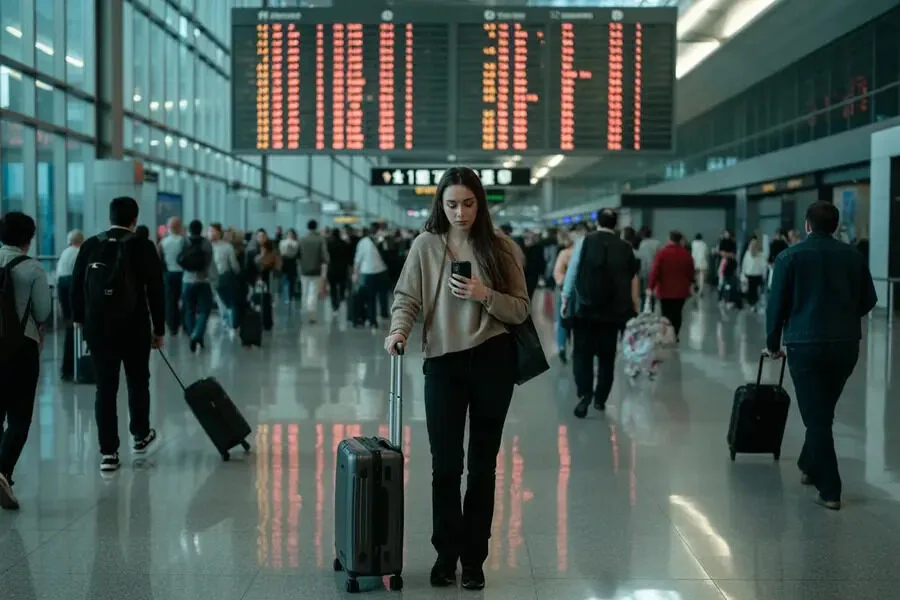
The ripple effect was felt across major European cities. Passengers in London, Paris, Edinburgh, Nice, and other destinations found themselves stranded as airports struggled to manage ground operations. Charles de Gaulle Airport in Paris became a focal point for delays, with hundreds of international travelers waiting for updates.
Operational Setbacks
The disruptions were driven by a mix of severe weather conditions, including thunderstorms and high winds, and operational challenges such as crew shortages and aircraft maintenance issues. British Airways cited difficulties in ensuring sufficient crew members to handle daily operations, especially during high-demand travel periods.
Compensation Efforts
Airlines have worked to accommodate affected travelers by offering rebookings and compensation where applicable. However, the sheer scale of the disruption meant that many passengers were left to fend for themselves in airports with limited resources. The busy travel season ahead requires airlines and airports to reassess their contingency plans.
Lessons Learned and Future Preparedness
This recent event serves as a stark reminder of the unpredictable nature of air travel. With the busy travel season ahead, it is crucial for airlines and airports to have robust contingency plans in place. Staying updated on flight statuses, considering alternative routes, and purchasing travel insurance can help minimize the impact of future disruptions.
Passengers should expect longer wait times during significant weather events and be prepared with snacks, medications, and other essentials. While this was a tough blow for travelers, it highlights the importance of resilience in the aviation industry.