Key Highlights
- “Parasocial” is the word of the year for 2025 according to Cambridge Dictionary.
- The term describes a one-sided feeling of knowing and relating to celebrities or influencers, even though they do not know you.
- Parasocial relationships are becoming increasingly common with the rise of social media and constant exposure to celebrities’ lives through various platforms.
- A 2024 study showed that people value parasocial relationships more than some real-life acquaintances or colleagues.
The Rise of Parasocial Relationships
Parasocial relationships, a term coined in 1956 to describe the one-sided feelings of knowing celebrities from media consumption, have become a significant phenomenon in today’s digital age. As Colin McIntosh, head of content at Cambridge Dictionary, explained, “What was once a specialist academic term has now become mainstream.” This rise is evident as millions of people engage with their favourite influencers and personalities on social media platforms.
Parasocial relationships are particularly prevalent among online celebrities like YouTubers, whose personalities have become integral to viewers’ daily lives. According to Simone Schnall, a professor at the University of Cambridge, “Many people form unhealthy and intense parasocial relationships with influencers.” These relationships can lead individuals to trust these influencers as if they were friends or even family members.
The Impact on Fandom and Celebrity Culture
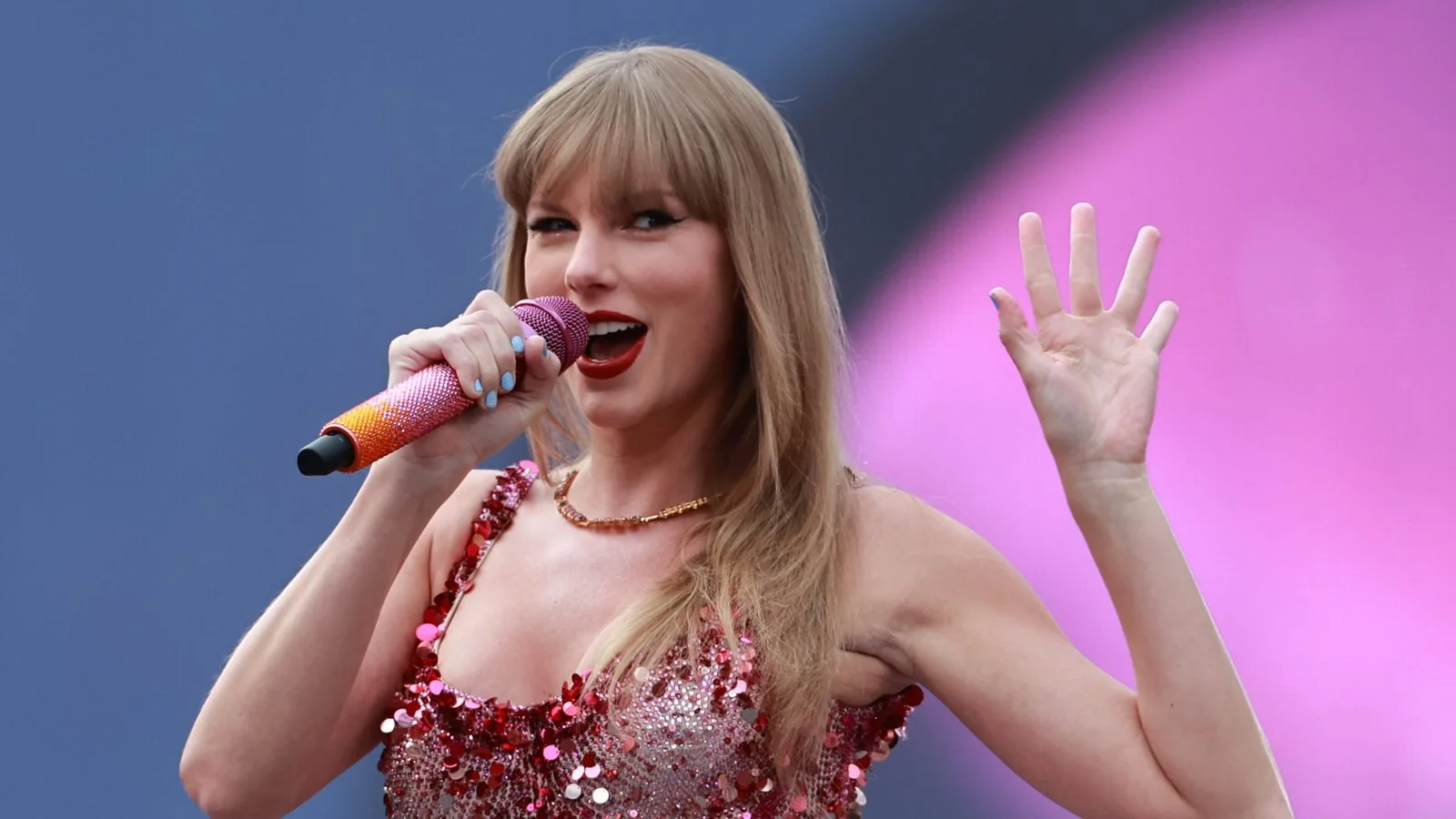
Psychologists have observed that parasocial relationships are redefining fame, fandom, and celebrity culture. For instance, the engagement between pop star Taylor Swift and American footballer Travis Kelce with their fans demonstrates how social media platforms facilitate these one-sided connections. Fans feel a strong emotional bond despite not having met the celebrities in person.
A 2024 study revealed that while people’s primary emotional needs are still best met by friends and family, parasocial relationships with online influencers are valued more than some real-life acquaintances or colleagues. This phenomenon has led to a shift in how individuals perceive their interactions with public figures, blurring the lines between reality and fiction.
The Future of Parasocial Relationships
As AI tools like ChatGPT become more prevalent, they are adding a new dimension to parasocial relationships. Many people treat these AI chatbots as friends or even cult leaders, further emphasizing the emotional connection formed through constant interaction with digital personalities.
However, experts warn that parasocial relationships can also carry risks. Continuous exposure to someone’s life on social media platforms can lead to unhealthy ideals and expectations, particularly among young people who may be more susceptible to groupthink and illusionary relationships.
Furthermore, the constant comparison between one’s own life and the curated content of others can result in feelings of inadequacy or dissatisfaction.
The rise of parasocial relationships highlights the evolving nature of fame and celebrity culture in the digital age. As technology continues to advance, it is likely that these one-sided connections will become even more prevalent, challenging traditional notions of fandom and interpersonal relationships.