Key Highlights
The Supreme Court’s Ruling and Port Seizure
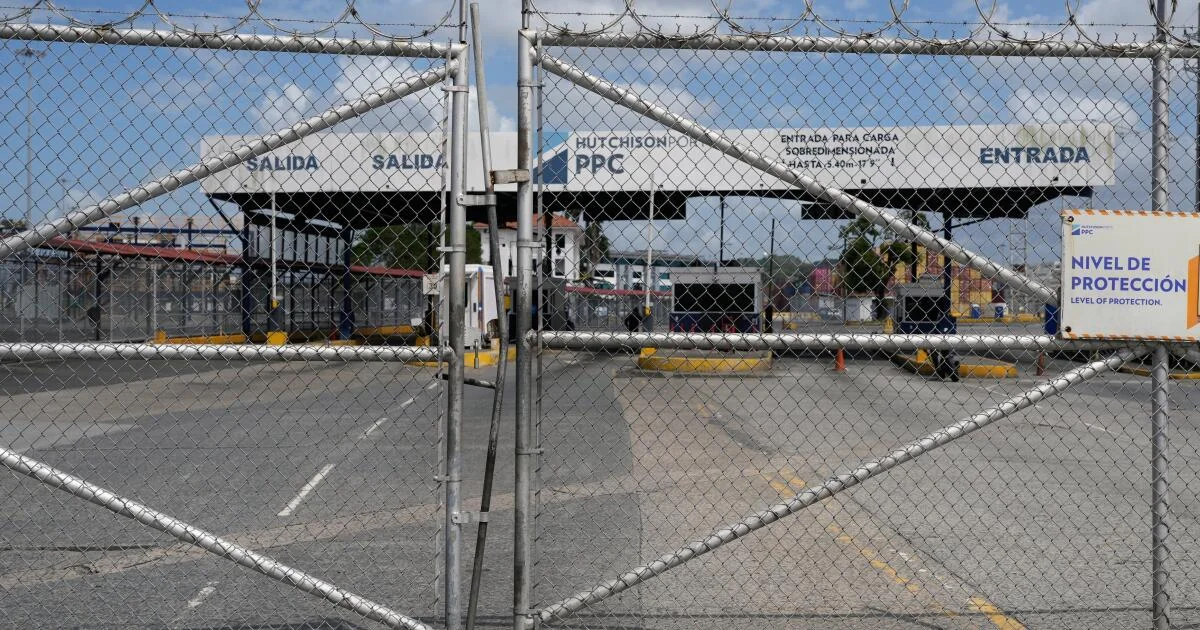
And here we are again, in the midst of a political quagmire. The Supreme Court of Panama ruled that CK Hutchison’s operating contract for two key ports at the Panama Canal was unconstitutional. You might think this is new, but… it’s not.
Back in January, the court struck down the law approving the concession contract for Panama Ports Company (PPC), a subsidiary of CK Hutchison. The ruling invalidated an extension granted in 2021, leaving PPC’s operations without legal basis.
The Political Implications
But politics is never just about the facts. This move by the Panamanian government is not just about upholding the law; it’s also a clear statement against foreign influence over critical infrastructure. The U.S.-China rivalry has put Panama in an awkward position, with both superpowers vying for control.
President Trump accused China of “running” the Panama Canal last year, and now we see the ramifications. This is not just about business; it’s a matter of national security and strategic importance.
The Temporary Management
While CK Hutchison Holdings has started arbitration proceedings against Panama under International Chamber of Commerce rules, the Danish company APM Terminals will temporarily manage the ports. PPC spokespersons have stated that they are seeking an agreement with the Panamanian government to continue operating.
APM Terminals is not a party in these legal proceedings; their role is purely temporary. But don’t be fooled by appearances—this is just the calm before the storm.
The Legal Battle and Beyond
The arbitrations could take years, during which time Panama has guaranteed continuity of operations and job stability. However, CK Hutchison’s legal strategy might not stop there.
They have threatened to sue APM Terminals if it operates the concession. This is a textbook case of how corporations use legal battles as weapons in geopolitical conflicts.
A Lesson in Corporate Greed
This saga is a perfect example of why governments need to be wary of foreign interests, especially when it comes to critical infrastructure like the Panama Canal. CK Hutchison’s attempt to extend their contract was met with resistance, and now they find themselves on the defensive.
It’s a classic case of corporate greed clashing with national interest. The Panamanian government is sending a clear message: this canal will not be run by any foreign company without our consent.
The Bigger Picture
This event is part of a larger trend where nations are increasingly cautious about allowing foreign companies to control their infrastructure. It’s the new normal in geopolitics, where every move is scrutinized and every decision carries weight.
For now, Panama has taken a stand for national sovereignty. Whether this is the end or just the beginning of a long legal battle remains to be seen.
One thing is certain: the Panama Canal will continue to be a focal point in U.S.-China tensions.
The writing on the wall is clear—Panama won’t back down easily. This isn’t over yet, and the real story is just beginning.