Key Highlights
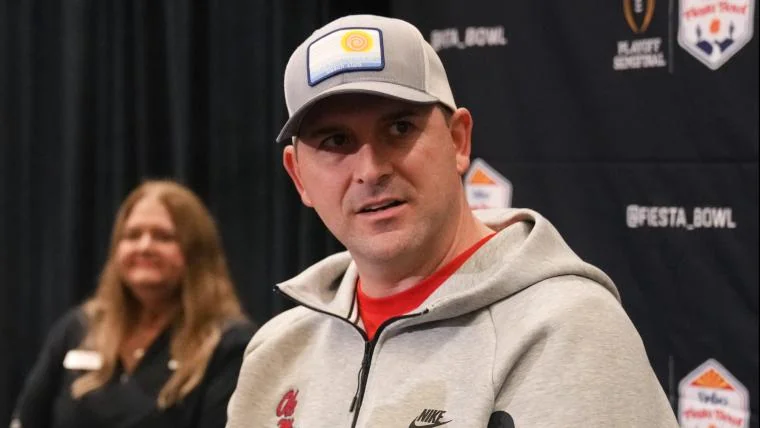
- Ole Miss quarterback coach Joe Judge testified that football comes before parenthood in a wild courtroom exchange.
- Trinidad Chambliss is fighting for an extra year of eligibility from the NCAA due to medical issues.
- Chambliss led Ole Miss Rebels to the College Football Playoff semifinals despite his health challenges.
- Coach Judge discussed educating wifes and girlfriends on how to prioritize players’ football commitments during the season.
The Bizarre Reality of Collegiate Sports
Joe Judge, the quarterback coach at Ole Miss, recently testified in a courtroom that has become as bizarre as the games he coaches. The stakes were high when Judge was called to explain his methods for instructing players’ significant others on how football takes precedence over family commitments during the season. This candid admission has raised eyebrows and questions about the priorities of college athletes.
Trinidad Chambliss, a quarterback who played an instrumental role in leading Ole Miss to the College Football Playoff semifinals, is currently fighting for his extra year of eligibility from the NCAA after facing extensive medical issues. The legal battle revolves around Chambliss’ claim that he would suffer irreparable financial harm without another year, despite having led the team with 3,937 passing yards and 22 touchdowns last season.
Education or Excuse? A Loaded Question
“This is always a tough conversation to have,” Judge admitted. “It’s not going to be an easy opinion, but this is the truth.” Judge went on to explain that educating significant others about their role during the football season was necessary. “You have this baby in the middle of the season, that father has to play good football. It’s a day-by-day production business.” This statement underscores the stark reality that the demands of college sports often overshadow personal and familial responsibilities.
But is this just an excuse from a coach trying to protect his players? Judge’s methods for ensuring player readiness during critical moments are as unconventional as they are controversial. “He has to be ready to perform and go out there and play,” he said, emphasizing the need for detachment and sleepless nights. “You have to explain to the mother, like, ‘Hey, listen, he ain’t waking up for midnight feedings.'”
A Battle Beyond the Gridiron
Chambliss’ fight is not just about personal health; it’s a broader issue of balancing professional ambitions with personal life. The NCAA’s denial of his waiver request was deemed “a bad-faith, unreasonable, and arbitrary decision” by his legal team. This case highlights the complex dynamics between athletes, coaches, and institutions that often clash in the high-stakes world of collegiate athletics.
The stakes are high for Chambliss, whose potential $5 million NIL deal with Ole Miss could be jeopardized if he doesn’t secure another year. The decision to fight for his eligibility shows just how much is at stake not only for him but for the entire team’s future prospects in the college football landscape.
As the legal proceedings continue, one can’t help but wonder: Is this a necessary evil of collegiate sports, or are we setting up athletes for failure by placing such an immense burden on their personal lives?